If you wear a night guard to stop teeth grinding, you’ve probably wondered at some point — can this thing actually move my teeth? It’s a fair question. After all, retainers are designed to hold teeth in place, and aligners can move them, so where does a night guard fit into that picture?
The short answer: a properly made Brux night guard will not move your teeth. In fact, it’s one of the best ways to protect them from unwanted movement caused by grinding pressure. But when the fit isn’t right — or when the guard isn’t designed for your specific bite — things can get complicated. Let’s break down what’s really happening when you wear a Brux night guard, how to tell if it fits correctly, and how to make sure it’s helping (not hurting) your smile.
Understanding How Brux Night Guards Work
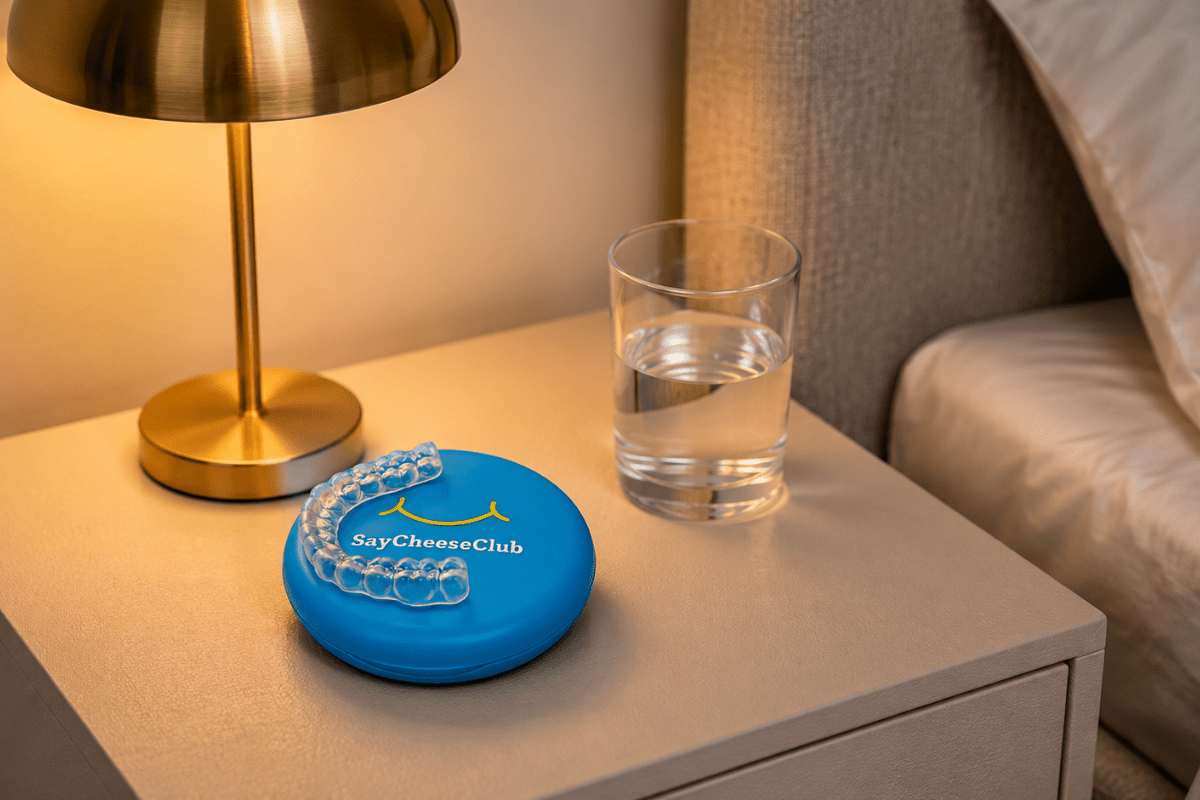
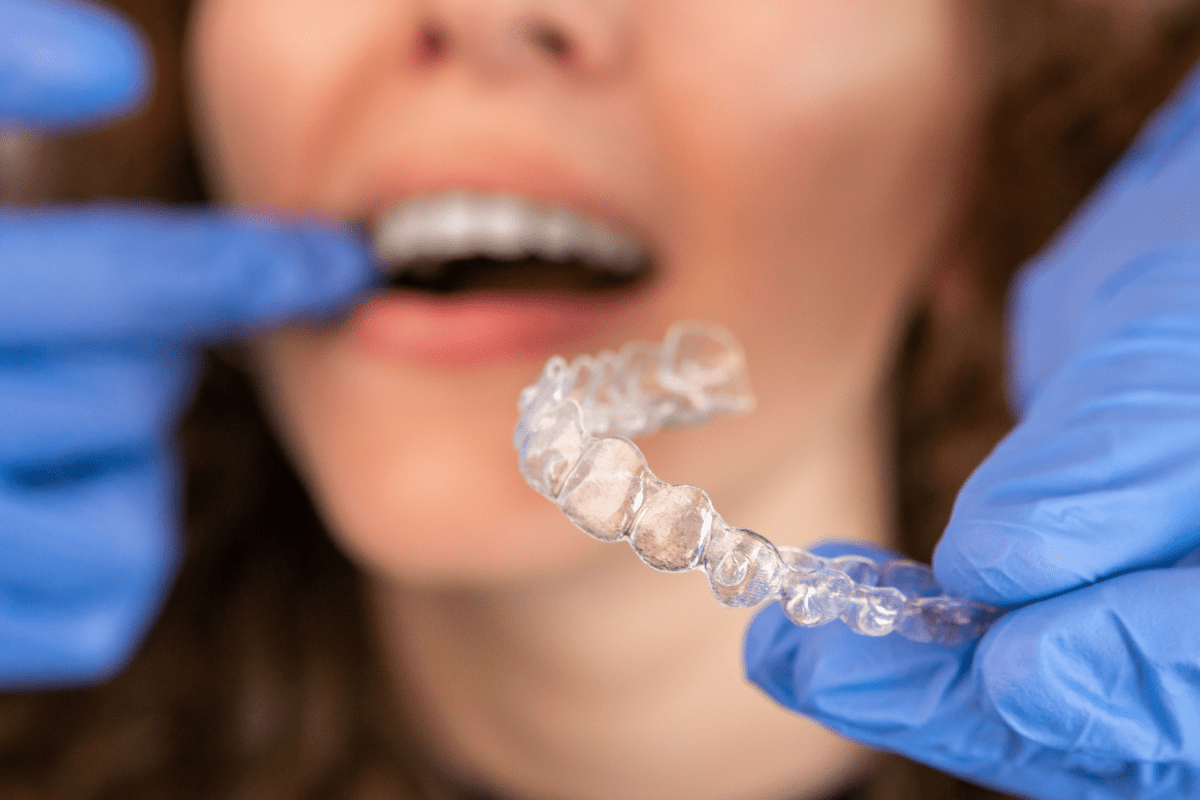
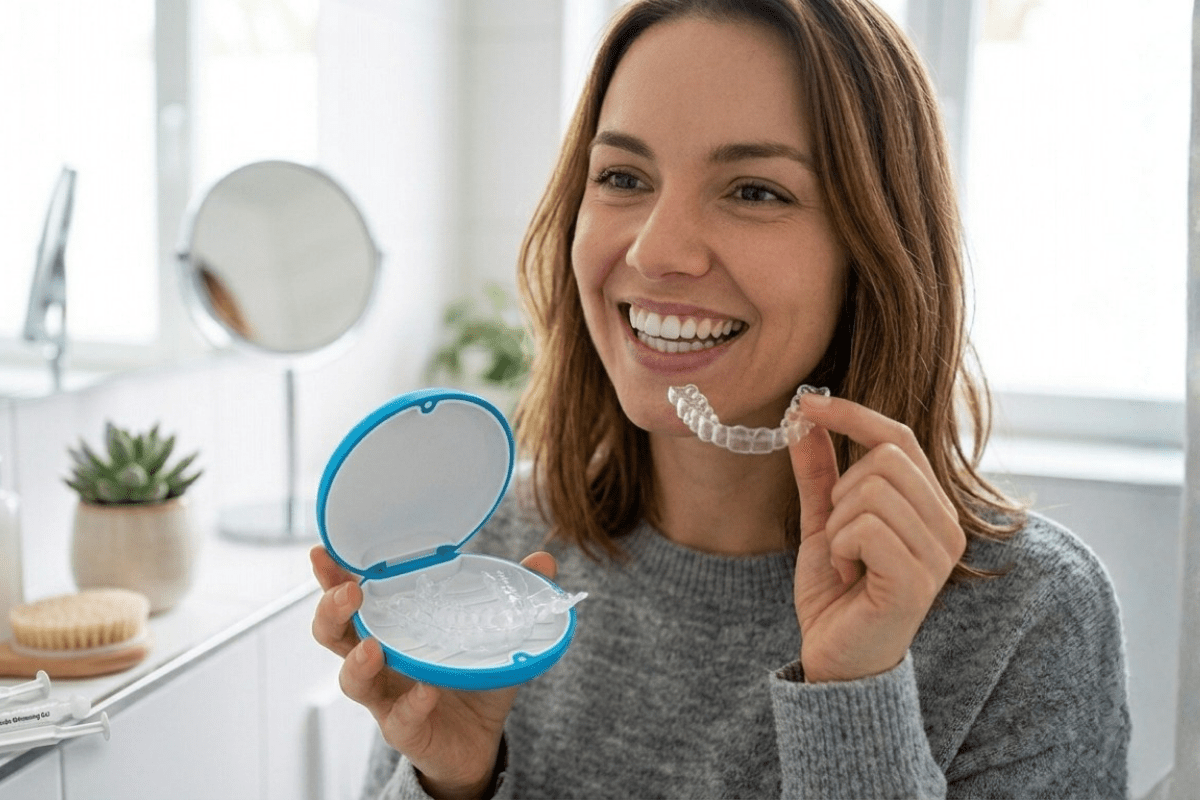
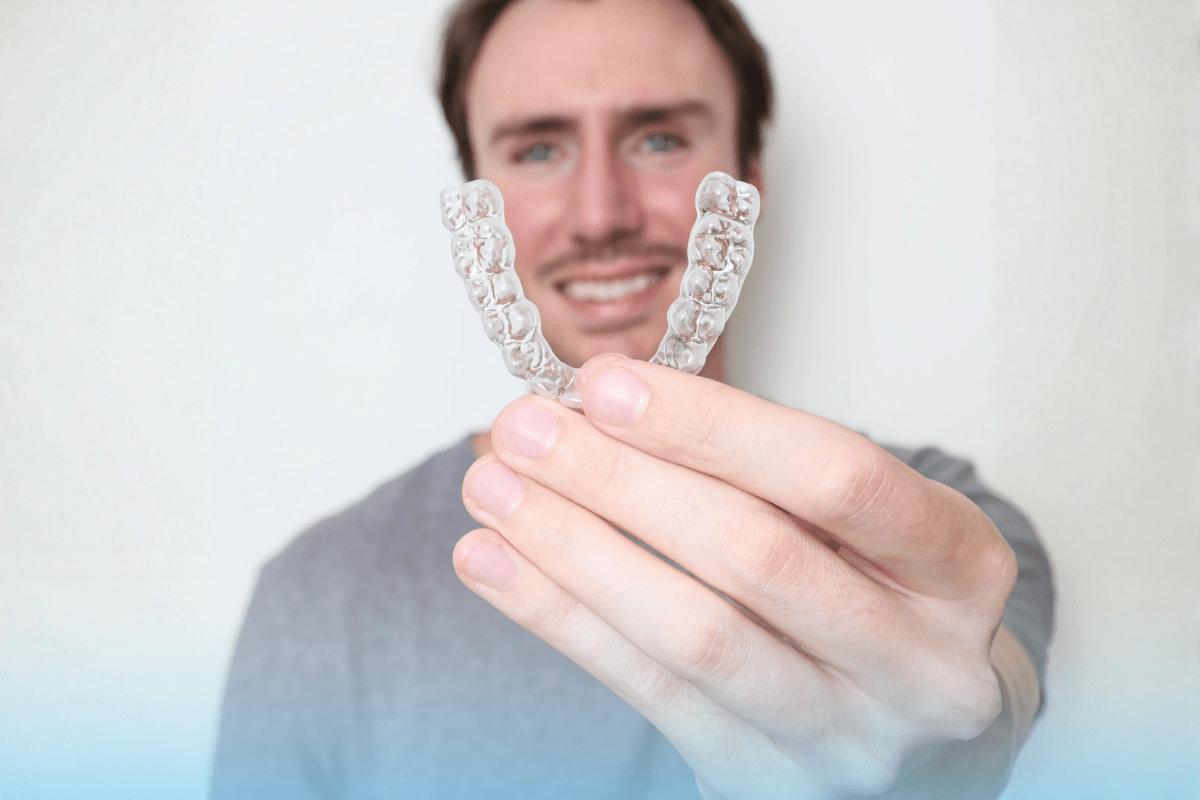
Brux night guards (short for bruxism guards) are custom-molded appliances that act as a protective barrier between your upper and lower teeth. Their purpose is to:
- Prevent enamel-on-enamel contact
- Absorb clenching and grinding pressure
- Reduce jaw tension and muscle strain
- Protect against cracks, chips, and TMJ pain
Unlike orthodontic retainers or aligners, Brux guards don’t apply directional pressure to move teeth. Instead, they evenly distribute bite forces — protecting your teeth from the very kinds of movement that grinding can cause naturally over time.
So, Can a Night Guard Cause Tooth Movement?
A well-fitted, custom Brux night guard will not cause your teeth to shift. However, under certain conditions, it can contribute to minor tooth changes. Here’s when that might happen:
1. When the Guard Doesn’t Fit Properly
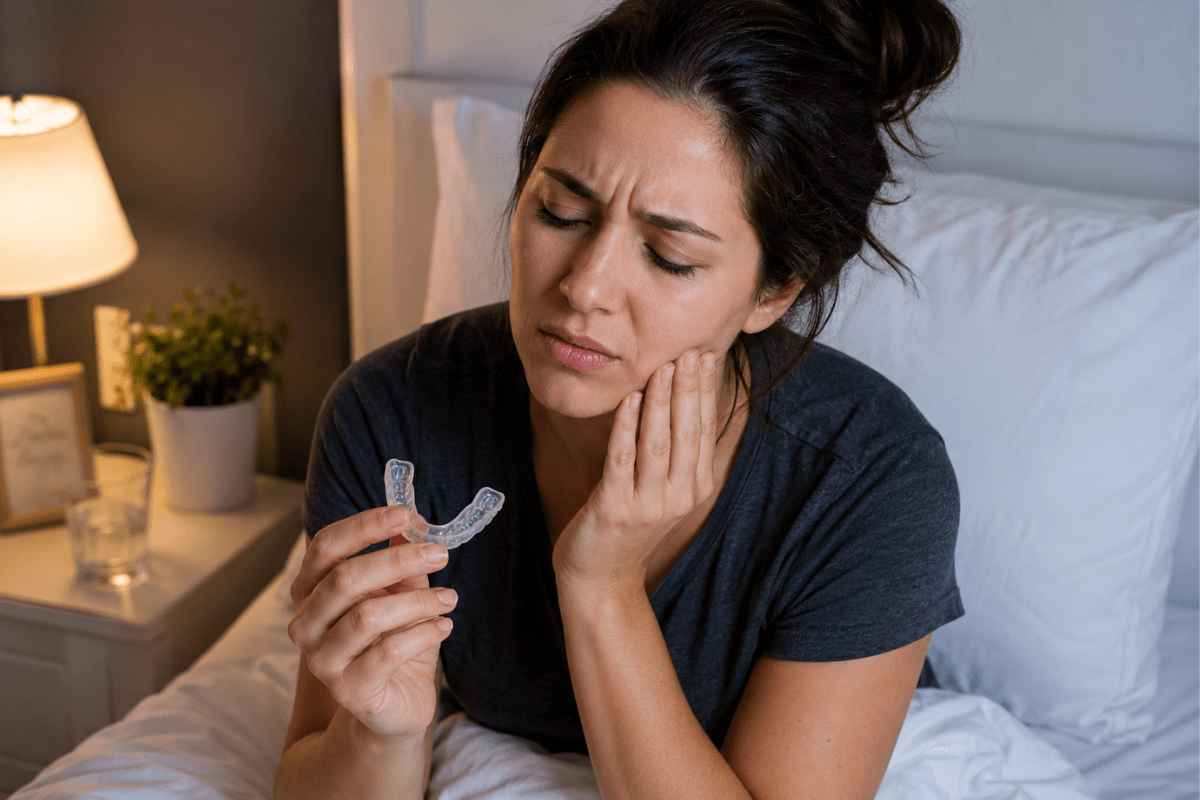
If your night guard feels loose, uneven, or rocks on your teeth, it may apply pressure inconsistently. Over time, this uneven force could encourage slight movement, similar to the way orthodontic aligners work — though much more subtly.
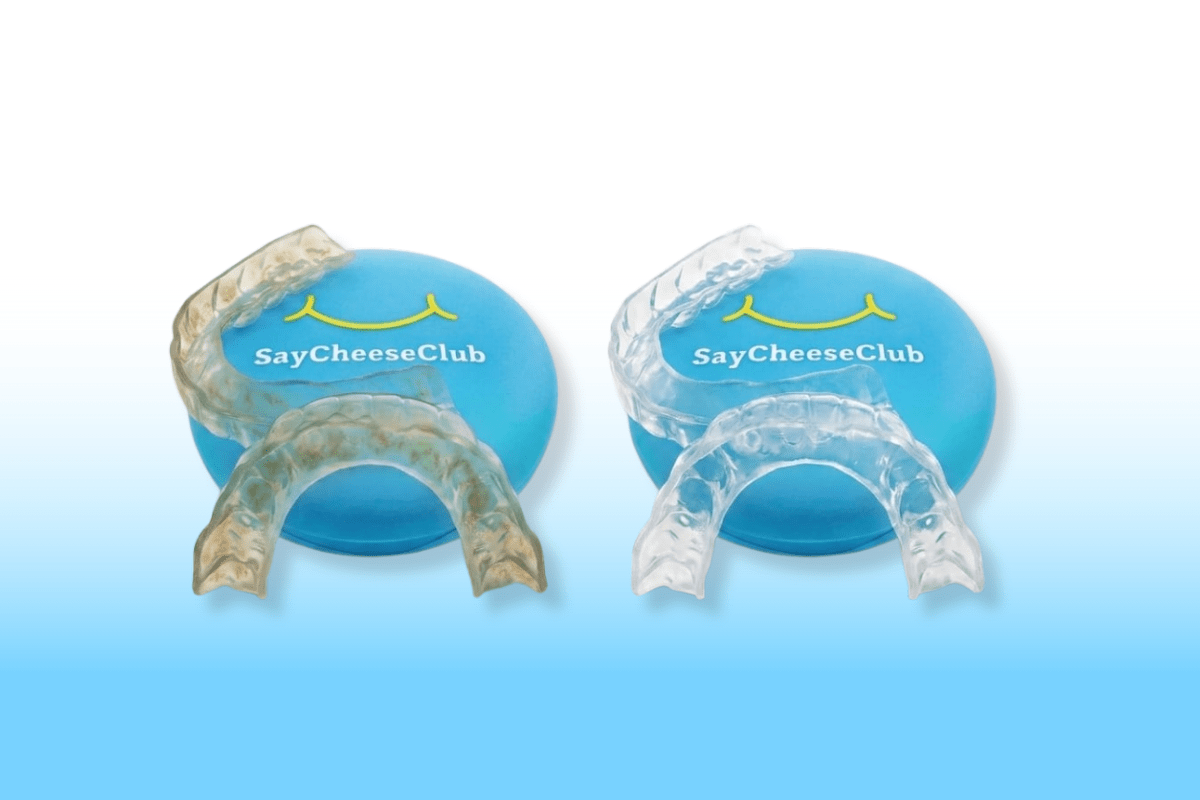
Solution: Replace or refit your night guard. Custom guards from SayCheeseClub are lab-made using precision molds of your teeth, ensuring a snug, even fit that won’t move your bite.
2. When You Use a Boil-and-Bite Guard Too Long
Over-the-counter guards are convenient but not meant for long-term use. The material can wear down, soften, or warp, creating small pressure points that nudge teeth. Solution: Think of store-bought guards as temporary — great for short-term relief, but not for ongoing protection. Upgrading to a custom Brux guard prevents these small but cumulative fit issues.
Shop Night Guards Now3. When You Have Existing Dental Movement or Orthodontic History
If your teeth have recently shifted (for example, after braces or retainer lapses), a guard molded before that change may not fit perfectly anymore. Wearing it anyway could place subtle force on misaligned teeth. Solution: If your smile has changed, even slightly, it’s time for a new impression and updated Brux guard.
4. When the Guard Covers Only Part of the Arch
Partial-arch guards — especially inexpensive over-the-counter options — can apply uneven pressure across a smaller section of teeth. That imbalance may cause a few teeth to feel sore or slightly shift. Solution: Always choose full-arch guards, which distribute force across your entire bite evenly. SayCheeseClub’s Brux Night Guards are designed exactly this way — for balanced protection and stability.
How Brux Night Guards Actually Prevent Tooth Movement
It may sound surprising, but a high-quality Brux night guard actually helps stabilize your teeth, not shift them.
Here’s how:
Equalizes pressure: Prevents heavy grinding forces from targeting specific teeth.
Reduces gum stress: Protects ligaments that anchor your teeth in place.
Prevents wear imbalance: Maintains the natural height and alignment of your bite.
Minimizes TMJ strain: Keeps jaw joints relaxed and centered.
So rather than causing movement, a night guard helps prevent the subtle, unwanted shifts that often happen when teeth are exposed to chronic grinding and clenching.
Signs Your Brux Night Guard Fits Correctly
A properly fitted Brux night guard should:
✅ Snap comfortably onto your teeth without feeling tight or loose
✅ Allow your mouth to close naturally without strain
✅ Stay in place during sleep without irritation
✅ Feel evenly balanced on both sides when you bite down
If your guard doesn’t meet those standards, it may be time for a replacement or adjustment.
When Tooth Movement Is Not From Your Guard
If you notice new gaps, overlapping, or unevenness while wearing your night guard, it might not be the guard’s fault. Teeth can shift naturally for other reasons:
- Age-related bone remodeling
- Gum recessionInconsistent retainer wear
- Wisdom teeth eruption
- Bite changes from missing teeth or dental work
In those cases, your Brux night guard may actually be helping to slow further shifting by stabilizing your bite at night.
How to Avoid Any Risk of Unwanted Movement
You can make sure your Brux guard protects your teeth — and never moves them — by following a few best practices:
1. Replace your guard every 1–2 years. Even the best materials wear over time.
2. Clean it properly with cool water and a gentle cleanser.
3. Avoid heat exposure — never use hot water or leave it in your car.
4. Store it in its case to prevent warping.
5. Check your bite yearly to ensure alignment stays consistent.
The Bottom Line
A Brux night guard doesn’t cause tooth movement — it prevents it. The key is proper fit, care, and timely replacement. When your guard is custom-made and maintained well, it protects your enamel, reduces jaw tension, and keeps your smile exactly where it should be.Your guard should feel like peace of mind — not pressure.
✨ Protect your smile from grinding and shifting. Shop SayCheeseClub Brux Night Guards!