Football, ice hockey, lacrosse, field hockey, boxing, and wrestling for athletes with braces are among the sports that officially require a mouthguard at most levels of play, from youth leagues through high school and college. Other high contact sports like basketball, soccer, and baseball generally do not require one by rule, even though governing bodies and dentists strongly recommend wearing one anyway due to the real risk of dental injury. The specific rule usually comes down to the sport's governing body, whether it is a national league, a school athletic association, or a youth sports organization, so requirements can vary slightly depending on where and at what level you play.
If you are trying to figure out whether your sport actually requires a mouthguard or if it is just a smart idea, you are asking a fair question, since the rules are not always obvious or consistent. Let us break down exactly where mouthguards are mandatory and where they are simply a good call.
Why some sports require mouthguards and others do not
Mouthguard rules usually come down to a mix of contact level, injury history, and how the sport's governing body has responded to that data over time. Sports with a documented high rate of dental and facial injuries, especially from direct contact or fast moving equipment like sticks and pucks, are far more likely to have a mandatory mouthguard rule written into official regulations.
Sports with lower documented injury rates, or where contact is more incidental than intentional, often leave the decision up to the athlete, the coach, or the parent, even if the injury risk is still real. This is part of why two sports with similar physical demands can have very different official mouthguard requirements.
Sports that require a mouthguard by rule
Here is where mouthguards are typically mandatory, though it is always worth checking your specific league or school's exact rules, since minor variations exist.
|
Sport |
Mouthguard Status |
Typical Governing Body |
Notes |
|
Football |
Required |
NFHS, NCAA, NFL |
Mandatory at nearly every level of organized play |
|
Ice hockey |
Required |
USA Hockey, NCAA |
Mandatory for most youth and school leagues |
|
Lacrosse |
Required |
US Lacrosse, NFHS |
Mandatory for both boys and girls at most levels |
|
Field hockey |
Required |
NFHS |
Mandatory in most high school and club leagues |
|
Boxing |
Required |
USA Boxing |
Mandatory for all sanctioned bouts |
|
Wrestling with braces |
Required |
NFHS |
Mandatory specifically for athletes wearing orthodontic appliances |
The takeaway is simple. If your sport involves fast moving equipment, close contact, or a documented history of dental injury, there is a good chance a mouthguard is not optional where you play.
Sports that strongly recommend one even without a rule
Basketball, soccer, baseball, softball, and rugby in some leagues fall into a different category. These sports do not always require a mouthguard by official rule, but dentists and sports medicine professionals consistently recommend one anyway. Basketball in particular sees a surprisingly high number of dental injuries from elbows, collisions, and falls, despite having no universal mouthguard mandate at most levels.
This gap between official rules and actual injury risk is worth paying attention to, since the absence of a requirement does not mean the risk is not there.
Why the rules vary so much
Mouthguard requirements are set by a patchwork of organizations rather than one single national standard. A youth league, a high school athletic association, a college conference, and a professional league can all set slightly different rules for the same sport, and rules can also change over time as injury data comes in. This is why it is always worth double checking your specific league's current requirements rather than assuming a blanket rule applies everywhere.
What happens if you do not wear one
Dental injuries from contact sports range from chipped teeth to fully knocked out teeth, and both can mean expensive, time consuming dental work down the road. A mouthguard absorbs and distributes impact that would otherwise be concentrated directly on your teeth and jaw, which is exactly why it makes such a measurable difference in injury outcomes, whether or not your specific sport requires one.
Beyond the immediate risk of a broken or lost tooth, dental injuries can also lead to root damage, nerve issues, and jaw problems that only become apparent later. Some of these injuries require ongoing treatment for years afterward, which makes a mouthguard one of the more cost effective pieces of gear an athlete can own relative to what it protects against.
What to look for in a mouthguard beyond the fit
Fit is the most important factor, but a few other details are worth paying attention to as well. Thickness matters for higher contact sports, since a thicker guard generally offers more shock absorption, though it can take some getting used to for speaking and breathing during play. Durability matters too, since a mouthguard that wears down quickly needs to be replaced more often, which adds up in cost over a season.
It is also worth considering how easy a mouthguard is to clean and maintain, since a guard that is uncomfortable to keep fresh is one an athlete is more likely to skip wearing consistently, even when the rules require it.
Choosing the right mouthguard for your sport
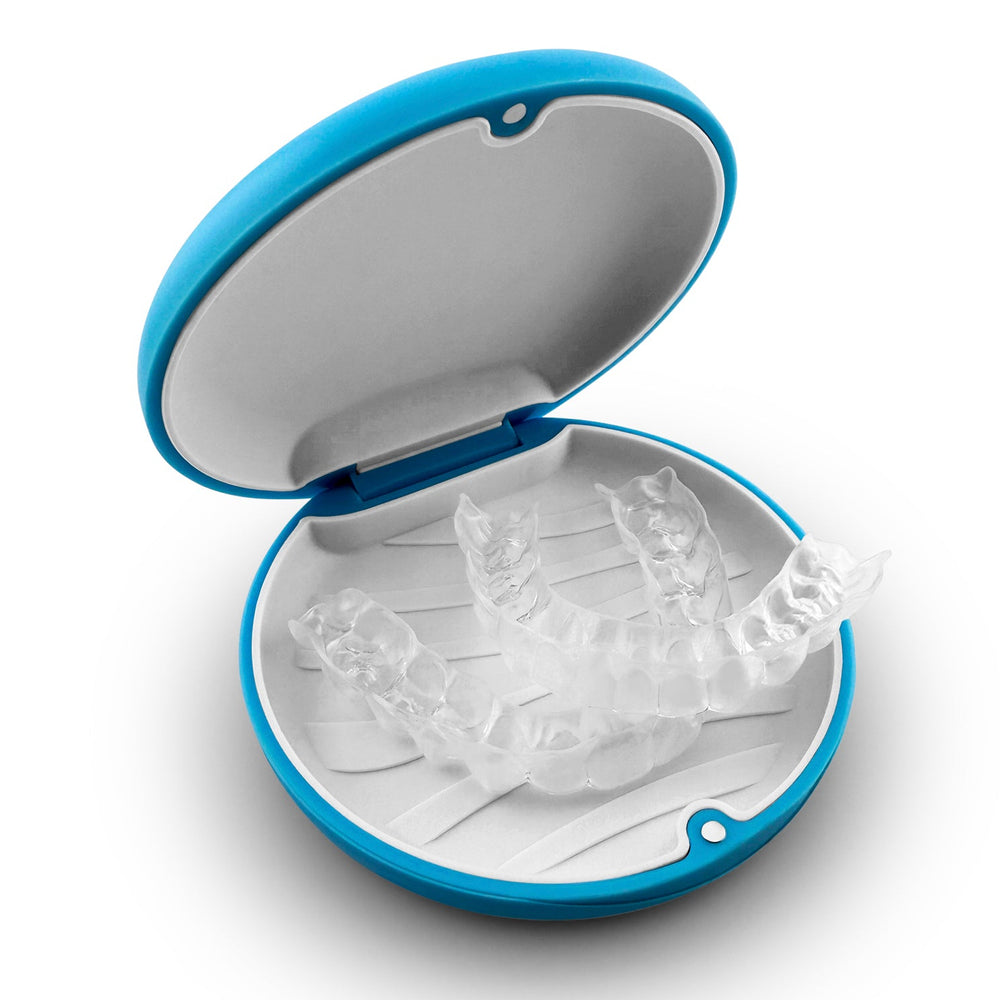
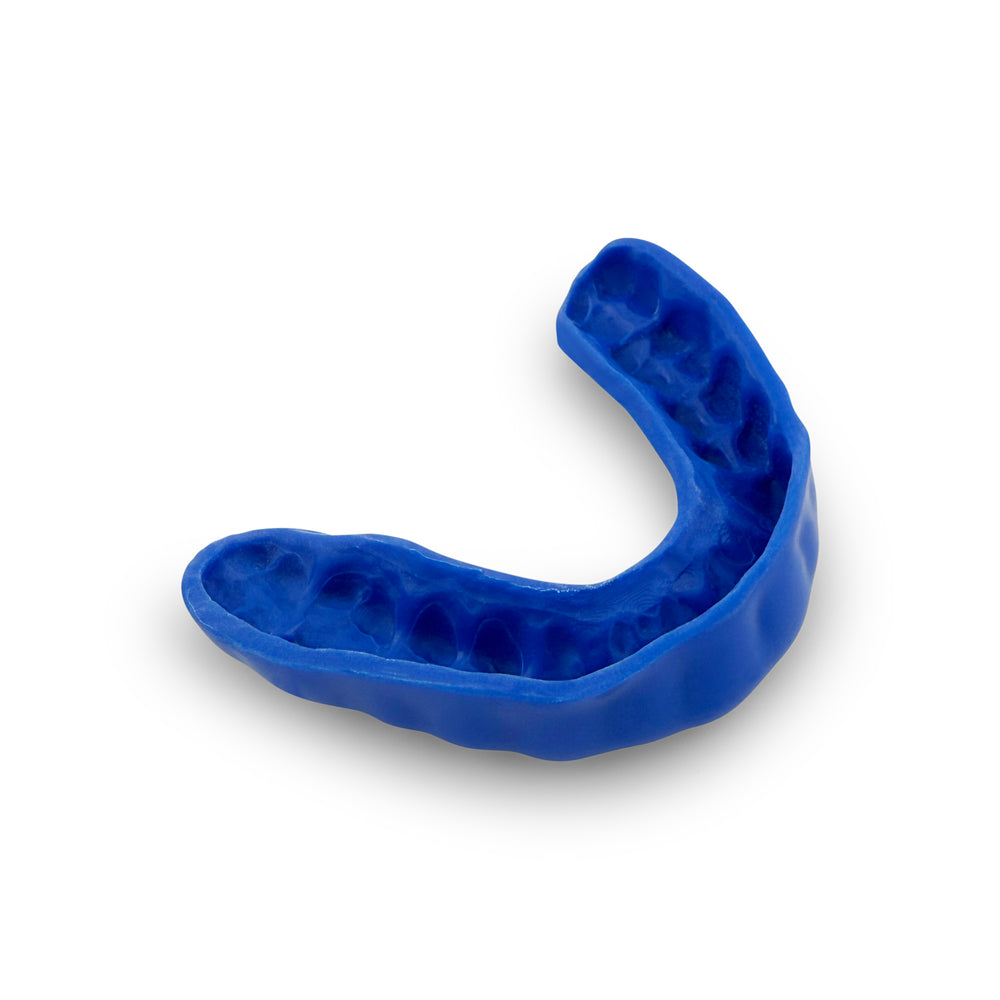
Not every mouthguard offers the same level of protection. A boil and bite option from a sporting goods store is better than nothing, but it rarely fits as securely or comfortably as a version molded specifically to your teeth. A custom sports mouthguard gives you a precise fit that stays in place during play, which matters both for protection and for comfort over the course of a long game or practice.
If you want a deeper look at why fit matters so much for injury prevention, our guide on why every athlete needs a custom athletic mouthguard breaks down the difference between custom and generic options in more detail.
Keeping your mouth healthy during the season
A mouthguard protects your teeth during play, but your daily oral hygiene routine matters just as much across a long season. Brushing thoroughly, especially after practices when you may be dehydrated and producing less saliva, helps keep your teeth strong against the extra wear a season of contact sports can bring. Colgate Total Plaque Pro Release Whitening Toothpaste is one option worth considering for athletes who want a toothpaste that targets plaque buildup along the gumline during a demanding season.
Mouthguard Requirement FAQs
Is a mouthguard required for youth football?
Yes, mouthguards are required at nearly every level of organized football, from youth leagues through the NFL, due to the high rate of dental and facial injury in the sport.
Do you need a mouthguard for basketball?
Basketball does not have a universal mouthguard requirement at most levels, but dentists strongly recommend one due to the surprisingly high number of dental injuries the sport produces from elbows and collisions.
Why do wrestlers with braces need a mouthguard but others do not?
Mouthguards protect orthodontic brackets and wires from damage during close contact, and they also protect the athlete's lips and cheeks from being cut against exposed metal, which is why many leagues specifically require one for wrestlers wearing braces.
Does every hockey league require a mouthguard?
Most youth and school level hockey leagues require one, though exact rules can vary slightly by league and age group. It is worth checking your specific league's current requirements to confirm.
The bottom line
Mouthguard requirements vary by sport, level of play, and governing body, but the pattern is consistent: sports with a documented history of dental injury tend to make them mandatory, while others leave the decision up to the athlete even when the risk is still real. Whether or not your sport officially requires one, a properly fitted mouthguard is one of the simplest ways to protect your smile through a full season of play.
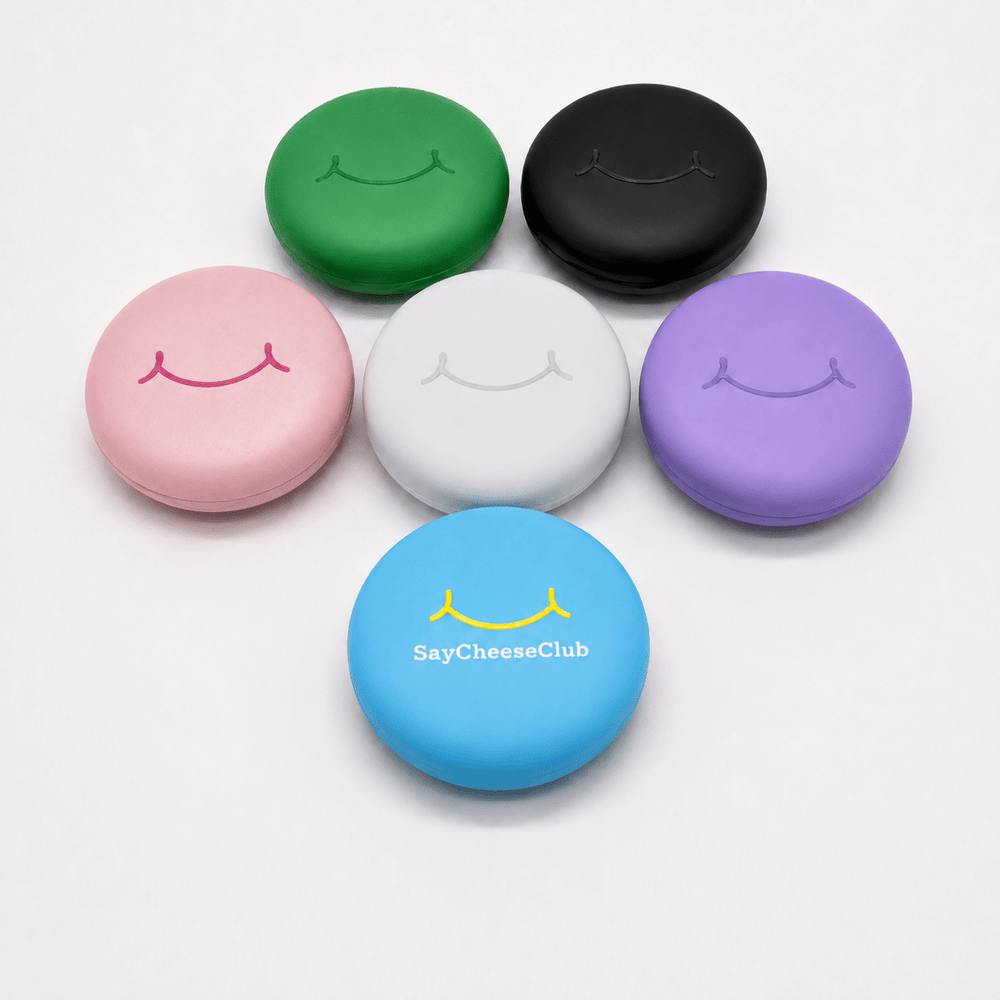
Ready to protect your smile this season? A comfortable, custom fit makes all the difference during practice and game day alike. Shop the SayCheeseClub custom sports mouthguard today and step onto the field, court, or rink with real protection.