BBefore getting Invisalign, you should know that it requires wearing your aligners about 22 hours a day, works best for mild to moderate alignment issues rather than complex bite problems, and typically costs between 3000 and 8000 dollars depending on your case and location. You will also need small tooth colored attachments for many treatment plans, expect a brief adjustment period for speech and eating, and need a retainer afterward to keep your results in place, since aligners shift your teeth but do not keep them there permanently. Knowing these details upfront helps you go into treatment with realistic expectations instead of surprises along the way.
If you are weighing Invisalign against traditional braces, or just trying to figure out what treatment actually involves day to day, you are asking the right questions before committing. Here are the six things worth understanding before you start.
1. Wear time is non negotiable
Invisalign only works if you actually wear it. Most treatment plans require about 22 hours of wear per day, which means removing your aligners only to eat, drink anything other than water, and brush your teeth. Falling short of that consistently can slow your treatment down or stall it entirely, since the aligners rely on steady, continuous pressure to move your teeth.
This is the biggest adjustment for a lot of people, especially if you are used to the idea that clear aligners are more flexible than braces. They are more removable, but they are not more forgiving when it comes to actual wear time
2. It works best for mild to moderate cases
Invisalign has come a long way and now treats a wide range of alignment issues, but it still tends to work best for mild to moderate crowding, spacing, and bite issues. More complex cases, like significant jaw misalignment or severe crowding, may still be better suited to traditional braces or a combination approach. Your orthodontist can tell you where your case falls after an evaluation, so it is worth asking directly rather than assuming either way.
3. Cost varies more than people expect
Invisalign typically costs somewhere between 3000 and 8000 dollars, and where you land in that range depends on how complex your case is, how long treatment takes, and where you live. Insurance sometimes covers a portion if your plan includes orthodontic benefits, but coverage varies widely, so it is worth checking your specific plan before you assume a discount applies.
Payment plans are common and can make the cost easier to manage, so it is worth asking your orthodontist's office about financing options if the upfront total feels like a lot.
4. Attachments are often part of the plan
Many Invisalign treatment plans use small, tooth colored attachments bonded to certain teeth. These attachments give the aligners something to grip onto, which helps them apply more precise pressure for specific movements like rotation or tipping. They are subtle and blend in with your natural teeth, but they are also a detail people are not always told about ahead of time, so do not be surprised if your treatment plan includes a few.
5. There is a short adjustment period
New aligners can affect your speech slightly at first, often creating a temporary lisp that improves within a few days as your tongue adjusts. Eating also requires a small shift in habits, since aligners need to come out before meals and snacks, and you will want to brush before putting them back in. Most people adjust within the first week or two, but it helps to know this is going on instead of being caught off guard.
What to ask your orthodontist before you start
A short list of questions before your first appointment can save you a lot of guesswork later. Ask how many aligner trays your specific plan requires, since that gives you a realistic sense of total treatment time. Ask whether attachments are part of your plan and roughly how many teeth will need them. Ask what happens if a tray is lost or damaged, since replacement policies vary between providers. And ask directly what retainer plan comes after treatment, since some providers include an initial retainer while others expect you to arrange your own once treatment wraps up.
Walking in with these questions shows you are serious about understanding the process, and it usually gets you clearer, more specific answers than a general overview would.
Invisalign vs traditional braces at a glance
Here is how the two options compare for someone weighing which route to take.
| Method | Appearance | Removability | Best For |
|---|---|---|---|
| Invisalign | Clear, low visibility | Removable for eating and brushing | Mild to moderate alignment issues, adults and teens who want discretion |
| Traditional braces | Visible metal or ceramic brackets | Fixed, not removable | More complex bite and alignment issues |
| Retainer (after either) | Clear or wire, low visibility | Removable | Maintaining results once active treatment ends |
The takeaway is simple. Both methods move teeth effectively, but they differ in visibility, daily routine, and the kinds of cases they handle best, so the right choice really depends on your specific situation.
6. You will need a retainer once treatment ends
This is the detail people are least prepared for. Once your Invisalign treatment is finished, your teeth are still capable of shifting, so a retainer is what keeps them exactly where your aligners moved them. Skipping this step is one of the most common reasons people see their results slowly reverse after finishing treatment.
If you already know Invisalign is in your future, it helps to think ahead about what comes after. An upper and lower retainer set gives you a comfortable, custom fit option for both arches once your aligner treatment wraps up, without needing another office visit.
If you are not sure which retainer style will suit you best, our guide on the different types of retainers after braces breaks down the options so you know what to expect ahead of time.
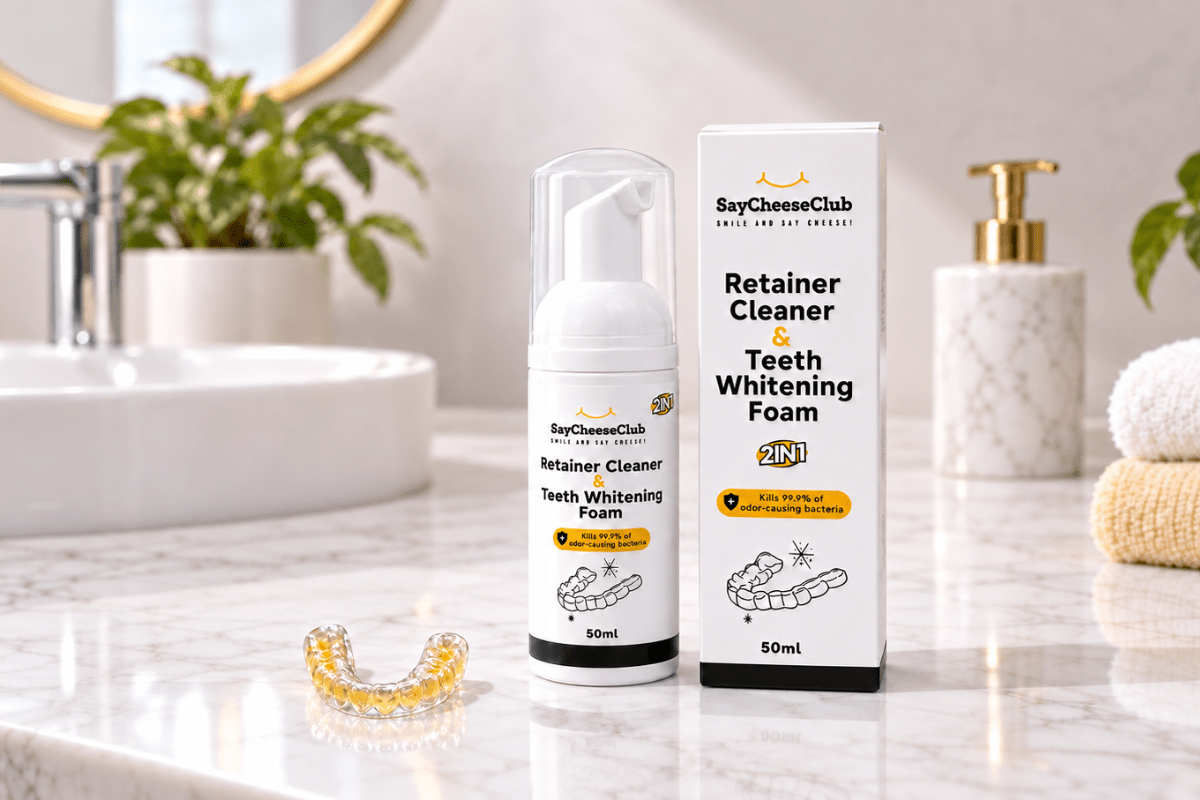
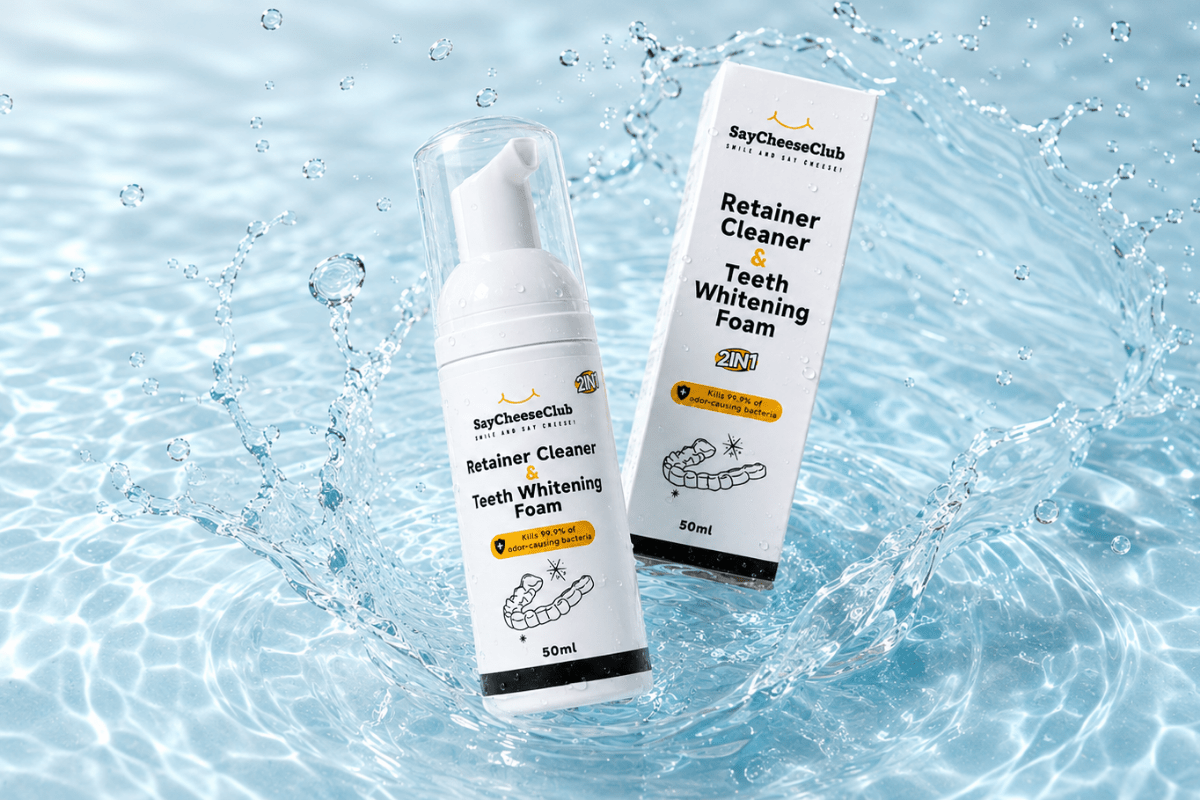
Keeping that retainer clean matters just as much as wearing it. Retainer cleaning tablets make it easy to keep your retainer fresh and clear with a quick regular soak, so the results you worked for stay looking their best. An Oral-B iO electric toothbrush is also worth considering during and after treatment, since it helps you keep your teeth and gums thoroughly clean around aligners, attachments, and retainers alike.
People also ask
How many hours a day do you actually need to wear Invisalign?
Most treatment plans require about 22 hours of wear per day, removing your aligners only to eat, drink anything besides water, and brush your teeth. Wearing them less consistently can slow your treatment timeline.
Is Invisalign more expensive than traditional braces?
Costs are often similar and depend more on the complexity of your case than the treatment type itself. Invisalign typically runs 3000 to 8000 dollars, which overlaps significantly with typical braces pricing.
Do you need a retainer after Invisalign?
Yes. Your teeth remain capable of shifting after treatment ends, so a retainer is what holds your results in place. Skipping retainer wear is one of the most common reasons people see their alignment gradually reverse.
Will Invisalign attachments be noticeable?
Attachments are small and tooth colored, so they blend in closely with your natural teeth and are not particularly noticeable in everyday conversation or photos, especially from a normal speaking distance.
Shop Clear Retainers NowThe bottom line
Invisalign can be a genuinely convenient way to straighten your teeth, but it comes with real commitments around wear time, cost, and what happens after treatment ends. Going in with realistic expectations about attachments, the adjustment period, and the retainer you will need afterward sets you up for results that actually last.
Already planning ahead for life after aligners? At SayCheeseClub, getting a comfortable retainer once your Invisalign treatment ends is simple and does not require another office visit. Order your upper and lower retainer set today and keep your new smile exactly where it belongs.