Yes, dentists can usually tell if you grind your teeth, even if you've never noticed it yourself. During a routine exam, dentists look for flattened or worn tooth surfaces, chipped or cracked teeth, tenderness in the jaw muscles, and sometimes scalloping along the edges of the tongue or cheek. They'll typically ask about headaches, jaw soreness, and whether anyone has mentioned hearing you grind at night, since these details help confirm what they're seeing in your mouth. This is general information, not a diagnosis, so if your dentist has flagged signs of grinding, the right next step is a conversation with them, not guessing based on an article.
If you've ever had a dentist casually mention you grind your teeth and wondered how they could possibly know that from a quick look in your mouth, you're not alone in finding it a little uncanny. Here's what they're actually picking up on.
What your dentist actually looks for
The most obvious giveaway is wear. Grinding gradually flattens the biting surfaces of your teeth, and over time this can shorten them or expose the softer dentin layer underneath the enamel. A dentist comparing your teeth to what's typical for your age can often spot this pattern pretty quickly, especially if the wear looks more pronounced than normal chewing would explain.
Beyond the teeth themselves, your dentist is also checking the soft tissue. Scalloped edges along your tongue or a faint white line inside your cheek, called linea alba, can form from the pressure of your teeth pressing against them repeatedly. Jaw muscle tenderness, felt when your dentist presses gently along your jawline, is another common sign, along with stiffness or discomfort when you open and close your mouth.
The questions they'll likely ask
Visual signs only tell part of the story, so most dentists follow up with a few targeted questions. They'll often ask whether you wake up with headaches, jaw soreness, or a feeling of tightness in your face. They might ask if a partner or roommate has ever mentioned hearing grinding sounds at night, since a lot of people genuinely have no idea they're doing it until someone else notices. Questions about stress levels, sleep quality, and any medications you're taking are common too, since all three can play a role in why grinding happens in the first place.
Signs dentists look for, and what they suggest
Here's a quick breakdown of the most common signs and what they typically point to.
|
Sign |
What It Looks Like |
What It Suggests |
|
Flattened or worn teeth |
Shorter, smoother biting edges |
Ongoing mechanical wear from grinding |
|
Jaw muscle tenderness |
Soreness when the jaw muscles are pressed |
Repeated clenching or grinding activity |
|
Scalloped tongue or cheek lines |
Ridges or a faint white line along soft tissue |
Pressure from teeth against adjacent tissue |
|
Chipped or cracked teeth |
Small fractures, especially on back teeth |
More advanced or forceful grinding |
The takeaway here is that dentists are rarely relying on just one sign. It's usually the combination of what they see and what you tell them that adds up to a confident read on what's going on.
Can a dentist tell the difference between grinding and clenching
Sometimes, though it's not always a clean distinction. Visible wear facets on the teeth tend to show up more with grinding, since that involves a side to side motion that physically wears the enamel down. Clenching, which is more about sustained pressure without the sideways movement, can be harder to spot from the teeth alone and often shows up more through jaw muscle soreness. A lot of people actually do both at different times, which is part of why dentists ask questions alongside the exam rather than relying purely on what they can see.
This is also why your dentist might ask whether your jaw feels tight or sore even on mornings when nothing seems obviously wrong with your teeth. Clenching without much grinding can slip under the radar longer, since it doesn't always leave the same visible trail that grinding does.
If grinding is confirmed, what happens next
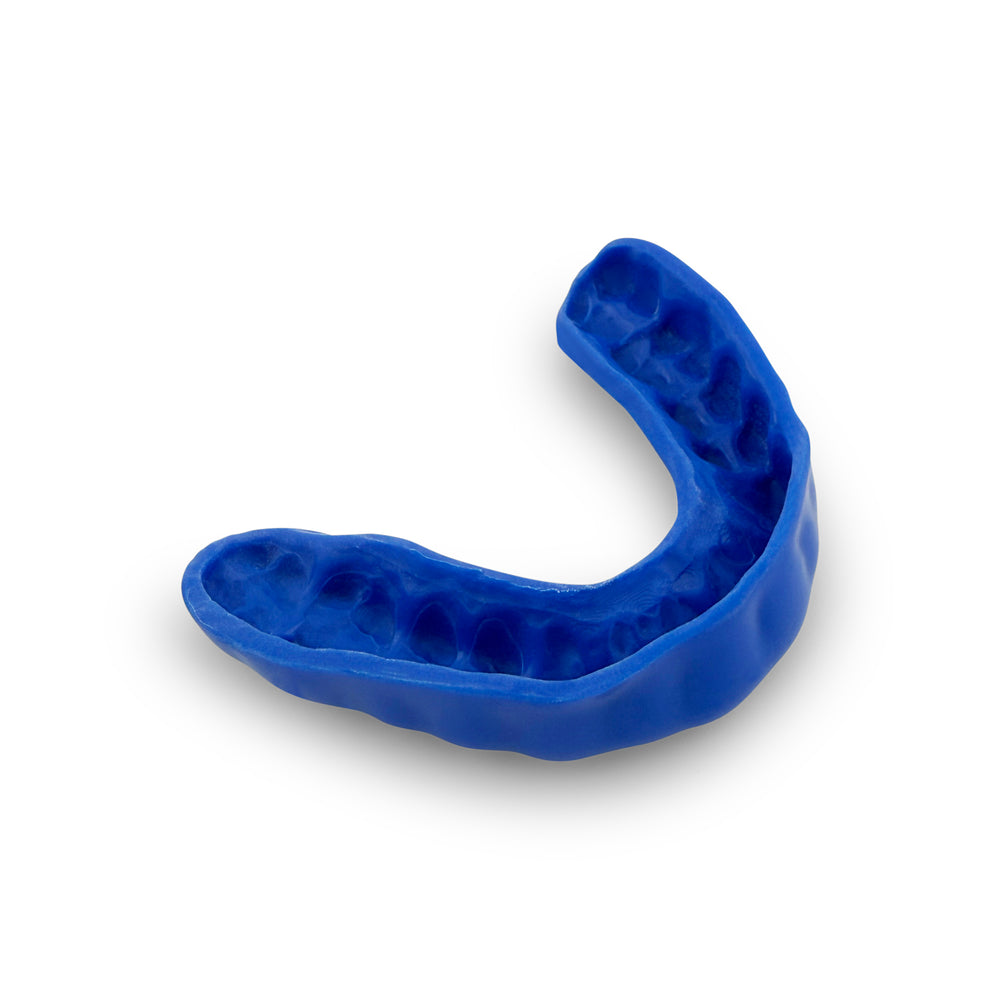
Once a dentist has a good picture of what's going on, a night guard is usually the first line of protection they'll recommend, since it directly addresses the mechanical wear happening night after night. A properly fitted guard won't stop the underlying urge to grind, but it does protect your teeth from taking the full brunt of it while any other contributing factors, like stress or sleep quality, get addressed separately.
Your dentist may also talk through other contributing pieces, like whether a medication you're taking could be playing a role, or whether your sleep quality is worth looking into further. A guard handles the damage control, but those other conversations are what actually address why the grinding is happening in the first place.
Night guards and protecting what's left
If your dentist has pointed out early signs of grinding, that's actually a good moment to act, since catching it before significant wear has happened gives you more to protect. Our guide on what a night guard actually is walks through how these appliances work if you're trying to understand your options before committing to one.
Keeping your smile strong either way
Whether or not grinding turns out to be part of your picture, a solid daily routine supports whatever your dentist recommends. Burt's Bees Extra White Fluoride Toothpaste is worth considering as part of that routine, since strong enamel matters even more if grinding has been part of the conversation at your checkups.
Can Dentists Tell If You Grind FAQs
Is grinding worse than clenching?
Not exactly worse, just different. Grinding tends to cause more visible wear on the teeth because of the side to side motion involved, while clenching puts sustained pressure on the jaw muscles and joints without necessarily wearing the teeth down the same way. Many people do both.
Is teeth grinding an ADHD thing?
There's a real connection. Research has found that people with ADHD have roughly twice the odds of bruxism compared with people without ADHD, and certain ADHD medications may also contribute for some individuals.[^2] It's not universal, but the link is well documented.
What can be mistaken for teeth grinding?
TMJ disorders, dental problems like cavities or cracked teeth, and even sleep related breathing issues can cause symptoms similar to grinding, like jaw pain or headaches. This overlap is part of why a dentist looks at the full picture rather than assuming grinding based on one symptom alone.
Will teeth grinding ever go away?
It depends on the cause. Grinding in children often fades as their bite and jaw develop, while grinding in adults tends to be more closely tied to ongoing factors like stress, sleep, or medication, which means it may need active management rather than disappearing entirely on its own.
The bottom line
Dentists are genuinely good at spotting the signs of grinding, often before the person doing it has any idea it's happening. Between tooth wear, jaw tenderness, soft tissue changes, and a few pointed questions, they can usually put together a clear picture during a routine exam. If grinding does turn out to be part of your situation, protecting your teeth with a properly fitted guard is the most direct way to stop the damage from progressing further.
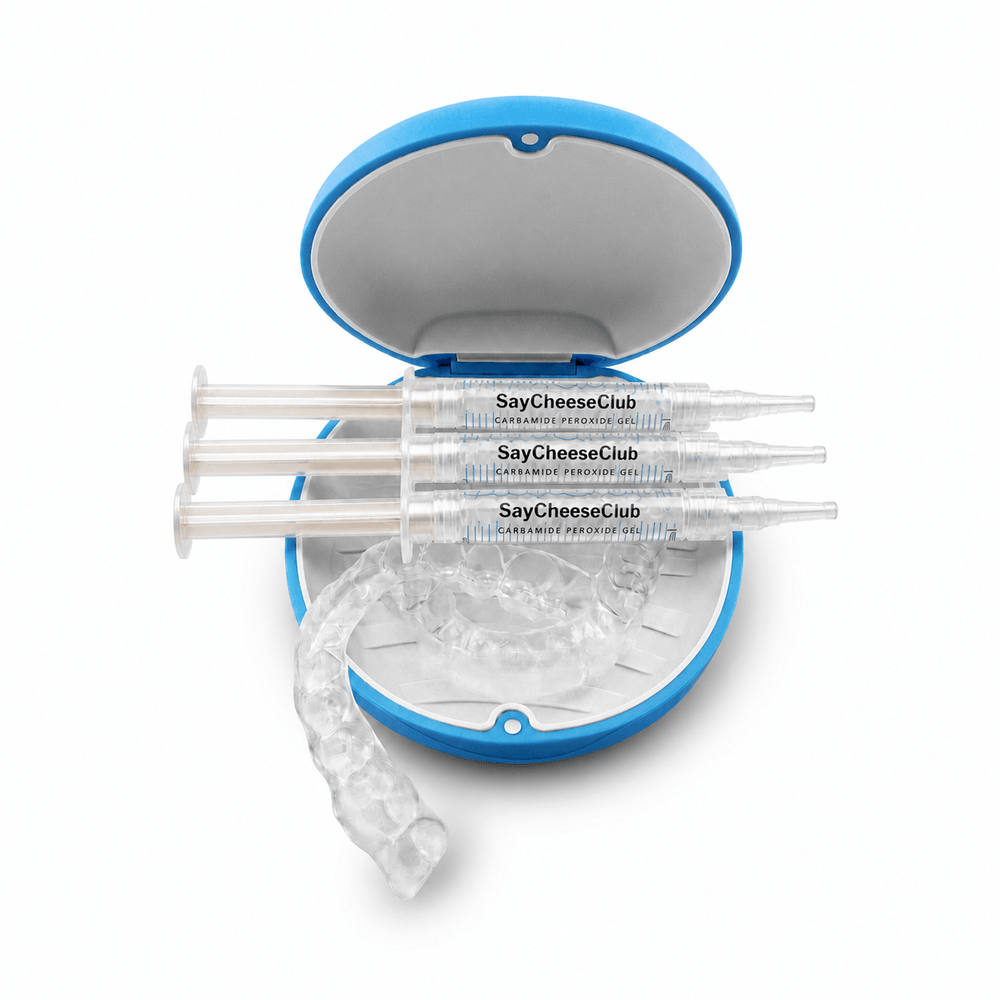
Ready to protect your teeth from grinding, starting tonight? A properly fitted guard makes all the difference in stopping further wear. Shop the SayCheeseClub night guard today and give your teeth the nightly protection they need.