Teeth can begin shifting within just a few days of skipping your retainer, though the movement starts at a microscopic level in the tissue before it's actually visible. Most people notice their retainer feeling tight again within one to two weeks, and visible crowding or spacing can show up within one to three months if the retainer stays out longer than that. This process, called orthodontic relapse, happens because the ligaments and bone around your teeth are still settling for months or years after treatment ends. This is general information, not a prediction for your specific mouth, so if it's been a while since you've worn yours, that's a conversation worth having with your dentist rather than guessing at what's happened.
If you've misplaced your retainer, or you've just been putting off wearing it more nights than you'd like to admit, you're probably wondering exactly how much time you actually have before it matters. Here's what's really going on.
Why teeth start moving almost immediately
Your teeth aren't rigidly fixed in your jaw. They sit in a bed of ligament and soft tissue called the periodontal ligament, which allows for the tiny amount of flexibility that lets orthodontic treatment move them in the first place. When you stop wearing a retainer, that same tissue, which was stretched and reorganized during treatment, starts pulling back toward its original shape.[^1] This happens at a cellular level almost right away, well before you'd notice anything by looking in the mirror.
That's really the key thing to understand here. The clock doesn't start when you finally notice a gap. It starts the moment your retainer comes out and stays out. It's also worth knowing that this isn't a flaw in how your treatment was done. It's simply how living tissue behaves, and it's exactly why retention was always meant to be an ongoing part of the process rather than a final step that ends when your braces or aligners are finished.
The real timeline: days, weeks, and months
Here's a general sense of how relapse tends to progress if a retainer isn't worn.
|
Time Without a Retainer |
What's Typically Happening |
|
A few days |
Microscopic tissue changes begin, not yet visible |
|
One to two weeks |
Retainer often starts feeling tight when reinserted |
|
One to three months |
Visible crowding or spacing can start to appear |
|
Six months or longer |
Shifting becomes more pronounced and harder to reverse without help |
The takeaway here is that the early window matters most. Catching relapse in that first couple of weeks, when it's still mostly about tissue tightness rather than visible movement, gives you a much better shot at things settling back into place with consistent wear.
Why grinding speeds this process up
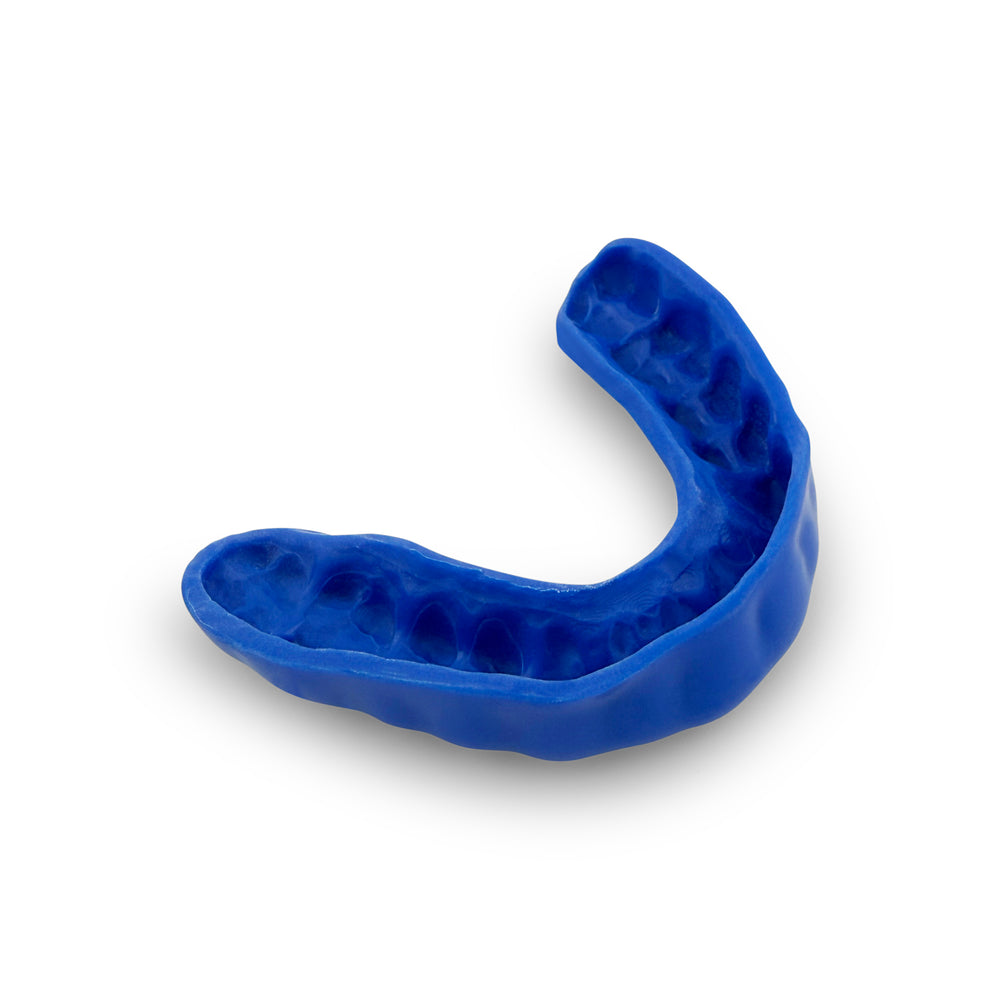
Teeth grinding adds another layer of pressure on top of whatever natural relapse is already happening. The repeated force from grinding can stress the same supporting tissue that's already adjusting after treatment, which can accelerate movement beyond what relapse alone would cause. If you grind your teeth, especially at night, a night guard protects your teeth from that added mechanical stress while your retainer handles the job of keeping everything positioned correctly.
What actually slows relapse down
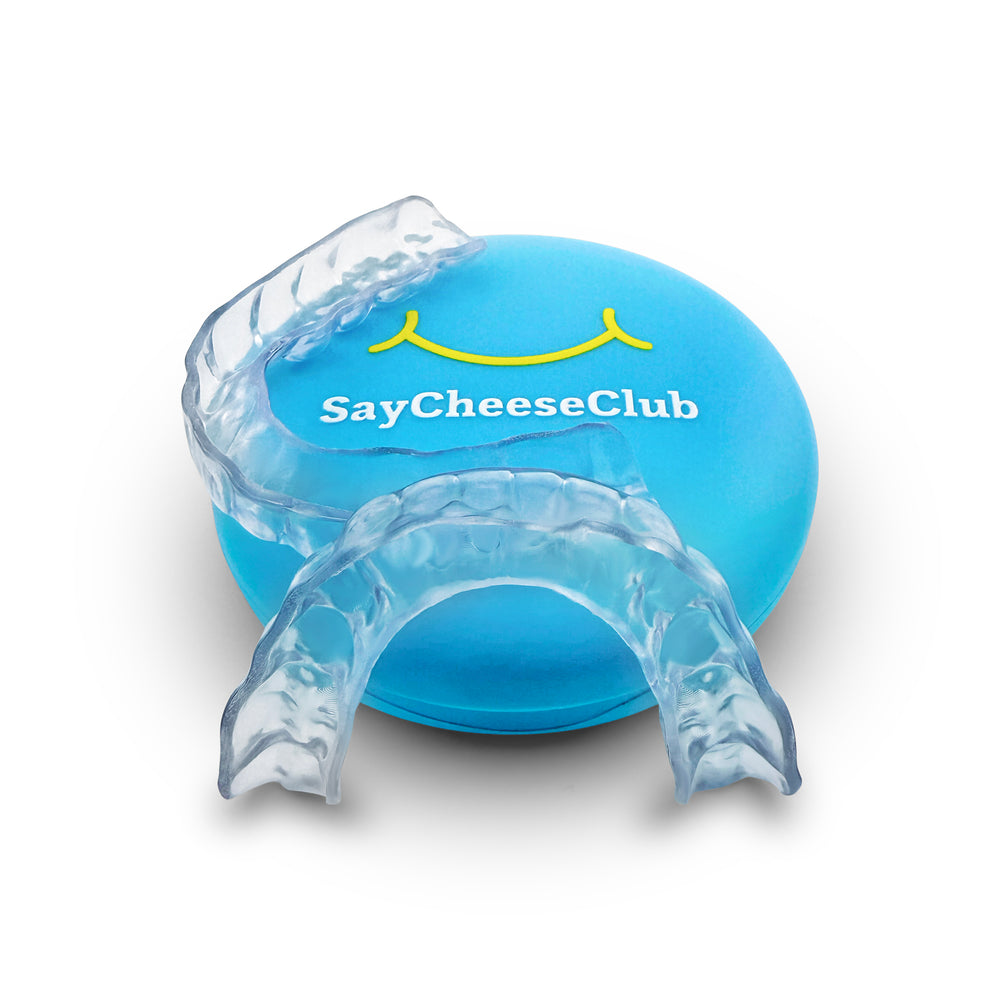
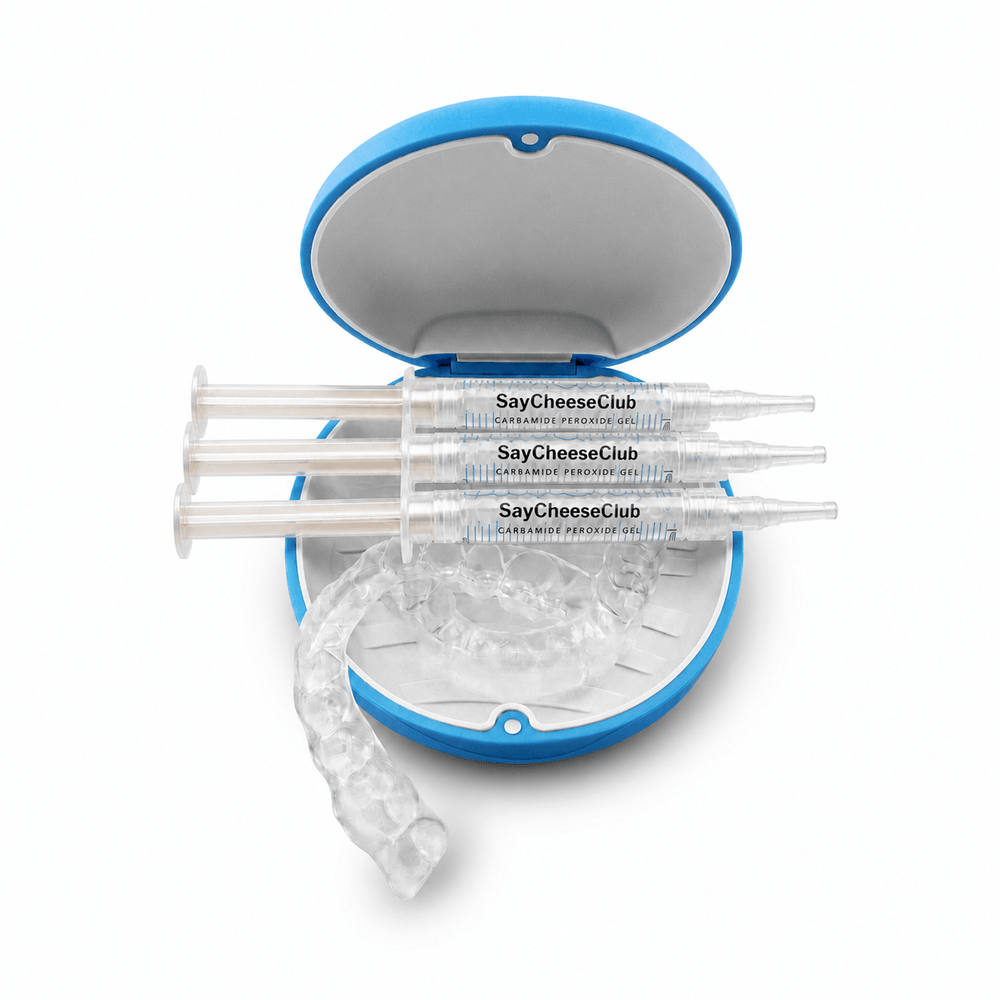
Consistent retainer wear is really the single biggest factor in your control here. Since relapse tends to be fastest in the earliest window, sticking with your prescribed wear schedule, especially in the months right after treatment, does the most work to prevent it. If your current retainer doesn't fit well anymore, or you've gone without one for a while and need to start fresh, an upper and lower retainer set gives you a comfortable, custom fit option for both arches to get back on track.
Beyond just having a retainer, actually wearing it as directed matters more than the specific brand or style you choose. A retainer sitting in a drawer does nothing for you, no matter how well it was made. Building it into a consistent nightly habit, the same way you'd brush your teeth, is what actually determines whether relapse becomes a real problem or stays a nonissue.
If it's already been a while
If you've gone months without wearing yours, don't panic, but also don't assume things will just resolve on their own. Depending on how much movement has happened, you might be able to ease back into wear with a properly fitting retainer, or you may need a fresh mold if your teeth have shifted enough that your old one no longer sits comfortably. If a new retainer ends up being the right call, our guide on what a transparent retainer typically costs online walks through what to expect price wise.
A good rule of thumb is that the sooner you try putting your old retainer back in, the more useful information you'll get. If it slides in easily, you're likely still in that early, reversible window. If it feels genuinely tight or won't seat properly at all, that's a sign more significant movement has already occurred, and it's worth getting a professional opinion rather than continuing to try to force it.
Keeping your gums healthy supports stability too
The tissue holding your teeth in place doesn't just respond to retainer wear, it responds to your overall gum health as well. Healthy gums and a strong periodontal ligament tend to hold orthodontic results more predictably than tissue that's already dealing with inflammation or gum disease. SmartMouth Gum Health Activated Mouthwash is worth incorporating into your routine as part of supporting that underlying tissue health, alongside consistent retainer wear.
How Fast Do Teeth Shift Without a Retainer FAQs
Can I go two weeks without my retainer?
It's risky. Many people notice their retainer feeling tight again within that window, which is a sign relapse has already started. It's not guaranteed to cause permanent shifting, but going two weeks without wearing it isn't something to make a habit of.
Can I eat with my retainer in?
It depends on the type. Removable retainers should generally come out before eating, since biting down on them can damage the material and food can get trapped underneath. Fixed retainers stay in during meals, but they still require careful attention when flossing and cleaning around the wire afterward.
How long can I go without my retainer before permanent shifting happens?
There's no single universal number, since it depends on your individual case, but visible changes often start within one to three months. Catching relapse early, within the first couple of weeks, generally gives you the best chance of things settling back into place.
Does relapse happen the same way for everyone?
Not exactly. Factors like age, how significant your original misalignment was, and habits like teeth grinding can all speed up or slow down how quickly relapse actually shows up.
The bottom line
Teeth start responding to a missing retainer faster than most people expect, often within days at a tissue level, even though visible changes usually take longer to show up. The good news is that the earliest window is also when consistent retainer wear does the most good. If it's been a while since you've worn yours, getting back into a routine, or starting fresh with a new fit, is worth doing sooner rather than later.
Ready to protect the results you worked for? Whether you need a comfortable upper and lower retainer set or a night guard to protect against grinding related wear, SayCheeseClub has you covered. Order today and keep your smile exactly where it belongs