Overbite, underbite, and crossbite are three of the most common types of bite misalignment, and each describes a different way the upper and lower teeth fail to line up correctly. An overbite is when the upper front teeth overlap the lower ones more than they should, an underbite is when the lower jaw and teeth sit in front of the upper ones, and a crossbite is when one or more upper teeth sit inside the lower teeth instead of outside them. Left untreated, any of these can contribute to uneven tooth wear, jaw discomfort, and, in some cases, changes to facial appearance over time. This is general educational information, not a diagnosis, so if you're noticing signs of a bite issue in yourself or your child, an orthodontist can actually assess what's going on.
If you've ever caught your own profile in a photo and wondered whether your bite looks "off," you're asking a more common question than you'd think. Let's go through what each of these terms actually means.
What counts as a normal bite, for comparison
Dentists sometimes refer to an ideal bite as Class I occlusion, where the upper teeth slightly overlap the lower teeth and the molars line up so the cusps fit into the grooves of the opposite arch. It's the baseline everything else gets compared against, and honestly, very few people have a textbook perfect version of it. Mild variations are common and don't always need treatment.
Overbite: what it is and why it happens
An overbite is when your upper front teeth overlap your lower front teeth more than the small, normal amount most people have. A bit of overlap, somewhere in the 3 to 5 millimeter range, is considered typical. It becomes a more noticeable issue when that overlap is significantly deeper, sometimes to the point where the lower teeth barely show at all when you bite down. It's driven mostly by the size or shape of your jaw and teeth, and it's genuinely common, showing up to some degree in a large share of children according to orthodontic sources.
Underbite: what it is and why it happens
An underbite is essentially the opposite situation. The lower jaw sits further forward than the upper jaw, which pushes the lower front teeth ahead of the upper front teeth when you close your mouth. This one tends to be more noticeable in profile, since it visibly changes the relationship between the chin and the rest of the face. It can make biting into certain foods harder and put uneven pressure on the front teeth over time.
Crossbite: what it is and why it happens
A crossbite happens when one or more upper teeth sit inside the lower teeth instead of the normal arrangement, and it can show up in the front of the mouth or the back. A posterior crossbite, affecting the back teeth, is the more common version, while an anterior crossbite affects the front teeth and is sometimes mistaken for an underbite, even though it's a different issue involving specific teeth rather than the whole jaw relationship. Left alone, a crossbite can cause the jaw to shift to one side just to find a comfortable bite, which creates its own set of problems over time.
Overbite vs underbite vs crossbite at a glance
Here's a simple side by side look at how the three compare.
|
Type |
What It Looks Like |
Common Cause |
Possible Complication |
|
Overbite |
Upper front teeth overlap lower teeth significantly |
Jaw or tooth size and shape |
Jaw pain, uneven wear |
|
Underbite |
Lower jaw and teeth sit in front of upper teeth |
Jaw growth pattern |
Chewing difficulty, front tooth wear |
|
Crossbite |
Upper teeth sit inside lower teeth |
Narrow upper jaw or tooth position |
Jaw shifting, facial asymmetry over time |
The takeaway here is that each type puts pressure on your teeth and jaw in a different direction, which is part of why treatment approaches can look pretty different depending on which one you're dealing with.
Why bite misalignment often leads to grinding and wear
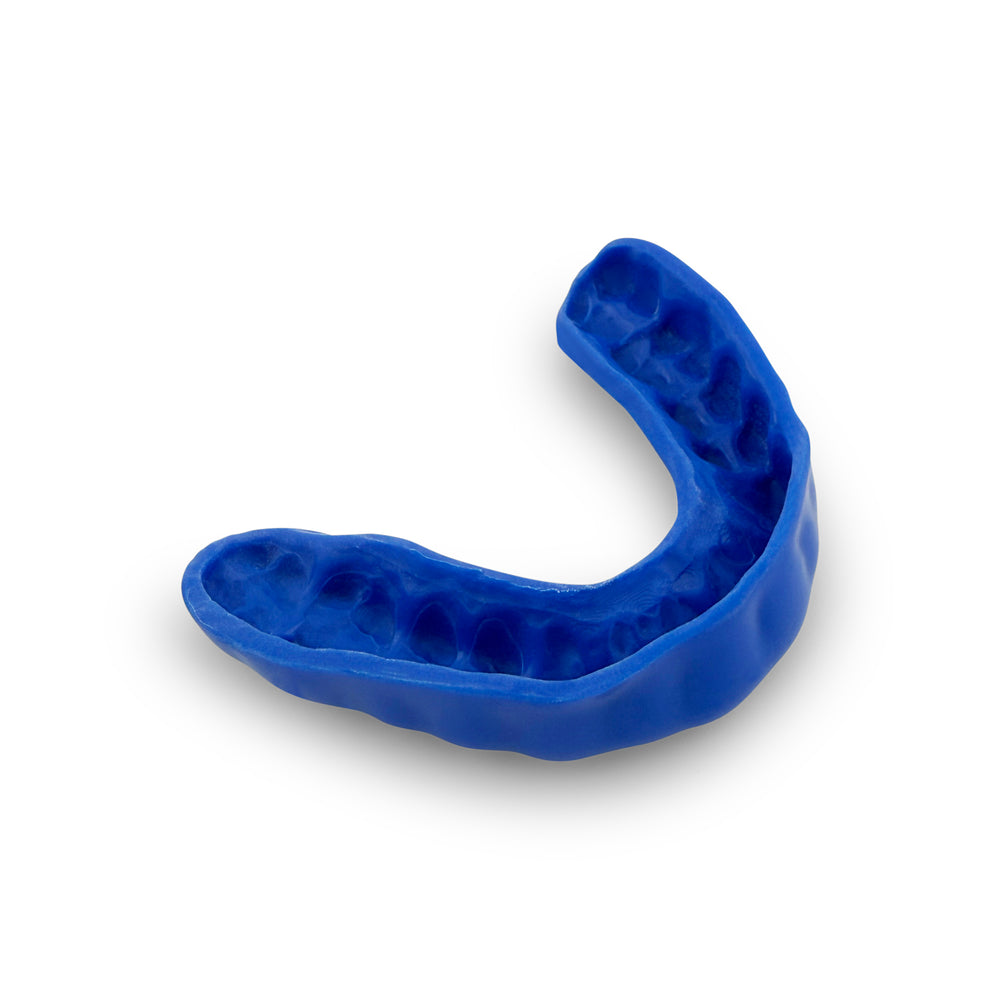
An uneven bite forces your teeth to meet unevenly, which can lead to some teeth taking on more pressure than they're built for. This uneven contact is a common contributor to teeth grinding and clenching, since your jaw muscles work harder to find a stable resting position. If grinding becomes part of the picture, a night guard helps protect your teeth from that added wear while any underlying bite issue is being addressed separately.
What treatment typically looks like
Depending on severity, bite misalignment is often addressed with braces, clear aligners, or in more significant cases, a combination of orthodontics and jaw related treatment. Mild cases sometimes don't need correction at all, while moderate to severe cases usually benefit from a full orthodontic evaluation. This isn't something to self diagnose from a mirror, since the right approach really depends on whether the issue is coming from the teeth, the jaw, or both.
Retainers matter no matter which bite type you started with
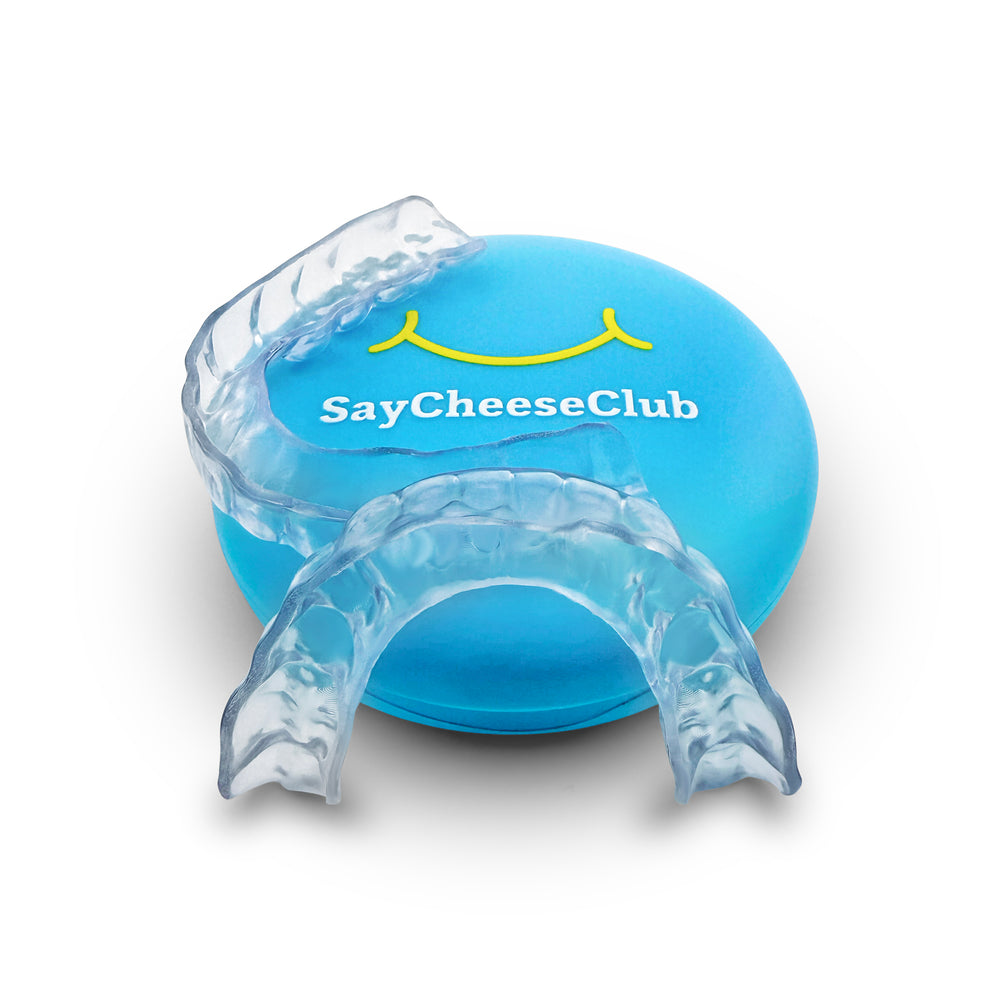
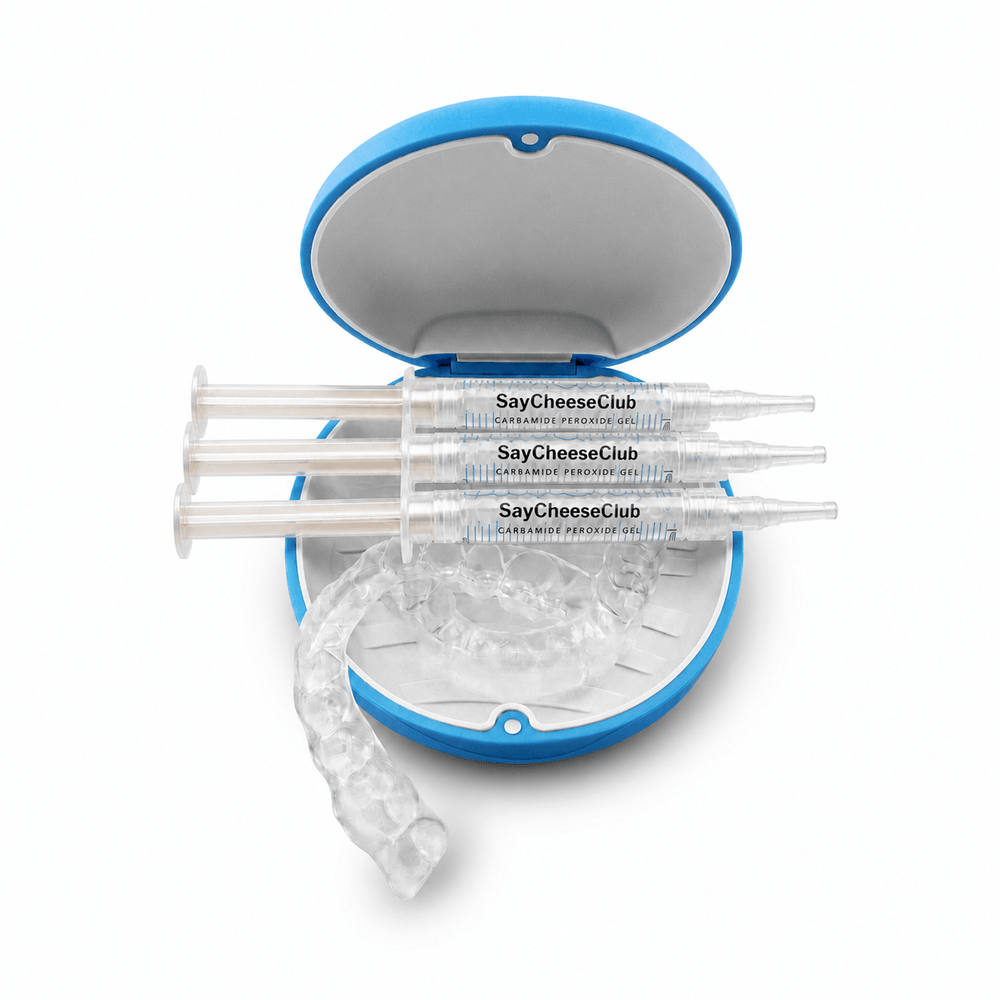
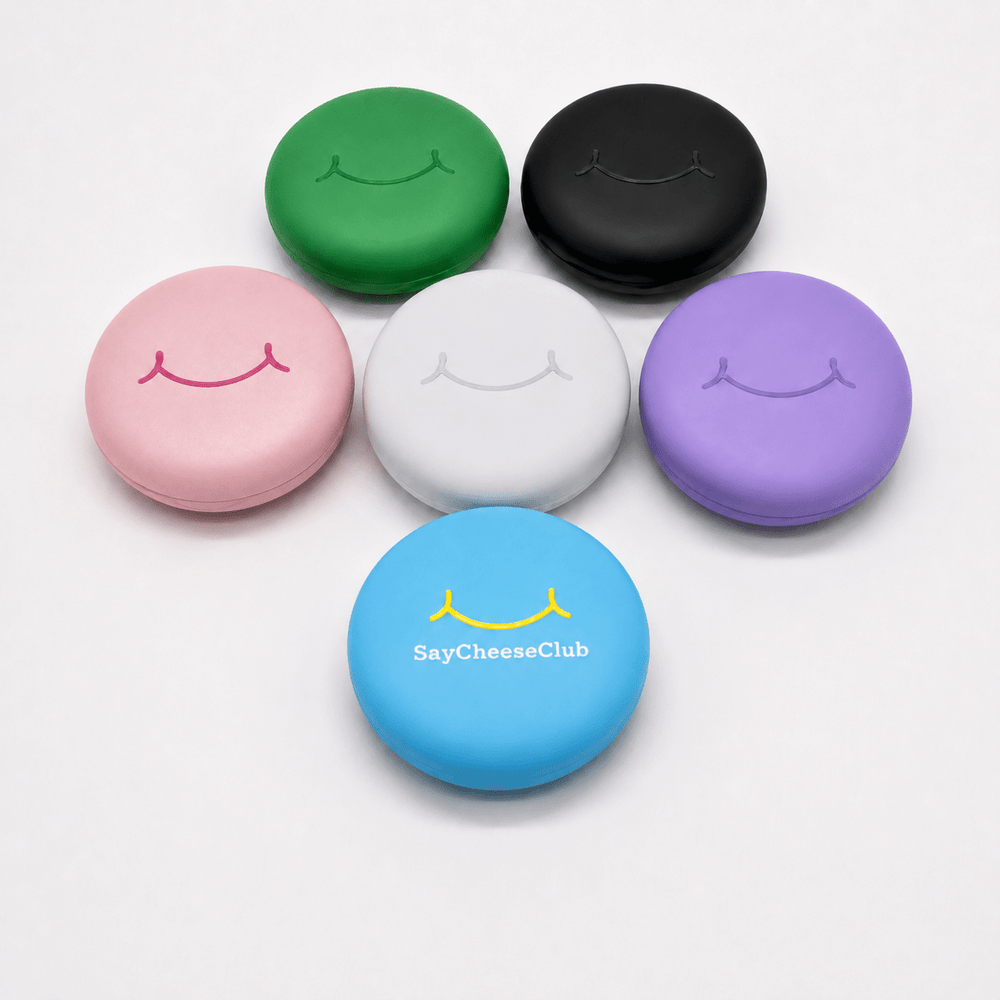
Whatever type of misalignment someone corrects, the story doesn't end when active treatment wraps up. Teeth remain capable of shifting afterward, and a retainer is what actually holds the corrected bite in place long term. An upper and lower retainer set gives you a comfortable, custom fit option for both arches once treatment ends, without needing another office visit.
If you're weighing your retainer options as part of planning ahead, our guide on what a transparent retainer typically costs online is worth a look while you're already thinking it through.
Keeping your smile healthy along the way
Whether you're managing an existing bite issue or maintaining results after treatment, keeping your teeth strong and comfortable matters throughout. Hello Mighty Multi-Tasker Fluoride Toothpaste is worth considering if uneven wear from a bite issue has left certain teeth feeling more sensitive than others.
Bite Misalignment FAQs
Can a bite misalignment fix itself without treatment?
Mild cases sometimes stay stable without treatment, especially in adults whose jaw growth is complete. Moderate to severe cases generally don't resolve on their own and tend to benefit from an orthodontic evaluation.
Is a crossbite the same thing as an underbite?
No. A crossbite can affect a single tooth or a group of teeth on either side, while an underbite specifically describes the entire lower jaw sitting in front of the upper jaw. They're related concepts but distinct conditions.
Does bite misalignment always need braces to fix?
Not always. Some cases use clear aligners, and more complex jaw related cases sometimes involve additional treatment alongside orthodontics. The right approach depends on the specific type and severity.
Do children outgrow bite problems like overbite?
Some very mild variations can improve as a child's jaw develops, but significant overbites, underbites, or crossbites typically don't resolve on their own and are worth having evaluated early.
The bottom line
Overbite, underbite, and crossbite each describe a different way the upper and lower teeth or jaws fail to line up, and each comes with its own set of potential complications if left unaddressed. Whatever type someone is dealing with, or has already corrected, consistent care afterward, including proper retainer wear, is what keeps the results holding steady long term.
Already thinking ahead about protecting your bite long term? Whether you need a comfortable upper and lower retainer set or a night guard to manage grinding related wear, SayCheeseClub has you covered. Order today and keep your smile exactly where it belongs.