PPicture this. You just pulled your retainer out before bed, dropped it into a cup of denture cleaner because that is what everyone in your family seems to do, and now you are standing at the sink staring at your phone timer wondering if five minutes is enough or if you are supposed to just leave it there overnight like your grandmother does with her dentures. If that sounds like you, you are far from alone. This is one of those small daily habits almost nobody actually explains, so most people just guess, and guessing with something that sits against your teeth and gums every single day is not really where you want to be.
The real answer is more specific than you probably expect, and getting the timing wrong in either direction, too short or too long, can actually cause problems you did not see coming. So let us walk through exactly how long you should be soaking that retainer, why the clock matters so much more than people realize, and what you should be doing differently if you want the thing to actually last.
The short answer
For most standard denture cleaning tablets, the safe window is about 15 to 20 minutes, not much longer. That is enough time for the solution to break down plaque, saliva residue, and bacteria clinging to the plastic, without giving the chemicals enough time to start working against the retainer itself. Some brands specify a shorter 5 to 10 minute soak, so it genuinely is worth reading the label on whatever tablet or powder you are using, since formulas are not all built the same.
Why the clock actually matters here
Here is the part most people never get told. Denture cleaner is formulated for dentures, which are made from a thicker, more durable acrylic. Your retainer, especially if it is a clear plastic style, is made from a much thinner material that was never really designed to handle the same strength of chemicals for long stretches of time. Soak it for the recommended window and you are fine. Soak it for an hour because you got distracted, or leave it overnight because you fell asleep, and you are asking a thin piece of plastic to sit in a fairly harsh solution for far longer than it was built to tolerate.
Over time, that repeated over soaking is what causes retainers to turn cloudy, pick up a yellowish tint that will not rinse away, or even warp slightly so the fit feels just a little bit off. None of that happens from one long soak. It happens from making it a habit, night after night, without realizing the timer matters as much as it does.
On the flip side, cutting the soak too short is not actually the safer choice either. If you are only dunking your retainer for a minute or two, the solution does not have enough contact time to break down the biofilm that builds up on it, which means bacteria and odor causing residue just stays put. You end up with a retainer that looks clean but is not actually clean, which can contribute to bad breath and irritated gums over time.
The right way to soak a retainer in denture cleaner
If you want to do this properly, the process is simple once you know the order of operations. Start by rinsing your retainer under lukewarm water, never hot, to knock off any loose debris before it goes anywhere near the cleaning solution. Dissolve your tablet or powder in lukewarm water exactly the way the package describes, since concentration matters as much as time does. Submerge the retainer fully and set an actual timer for 15 to 20 minutes, or whatever window your specific product recommends.
When the timer goes off, take it out. Do not let it sit longer just because you got busy with something else, since that is exactly how an occasional habit turns into the kind of repeated over soaking that damages the plastic. Once it is out, gently brush it with a soft bristled toothbrush and plain water, skip the toothpaste here since most kinds are too abrasive for retaining plastic and will dull the surface over time. Finish with a thorough rinse under running water until there is no chemical taste left before it goes back in your mouth.
How often you should actually be doing this
Here is where a lot of people go wrong without meaning to. Denture cleaner works well as an occasional deep clean, but it was never meant to be your everyday routine. Because of that persulfate compound doing the heavy lifting in most denture cleaning tablets, using it daily for months at a stretch is what gradually degrades thinner retainer material, even if each individual soak stays within the recommended time.
A better rhythm looks like this. On most days, just rinse your retainer under water and give it a gentle brush with a mild dish soap or plain water when you brush your teeth. Save the denture cleaner soak for two or three times a week, or for whenever it needs a deeper clean than a quick rinse can manage.
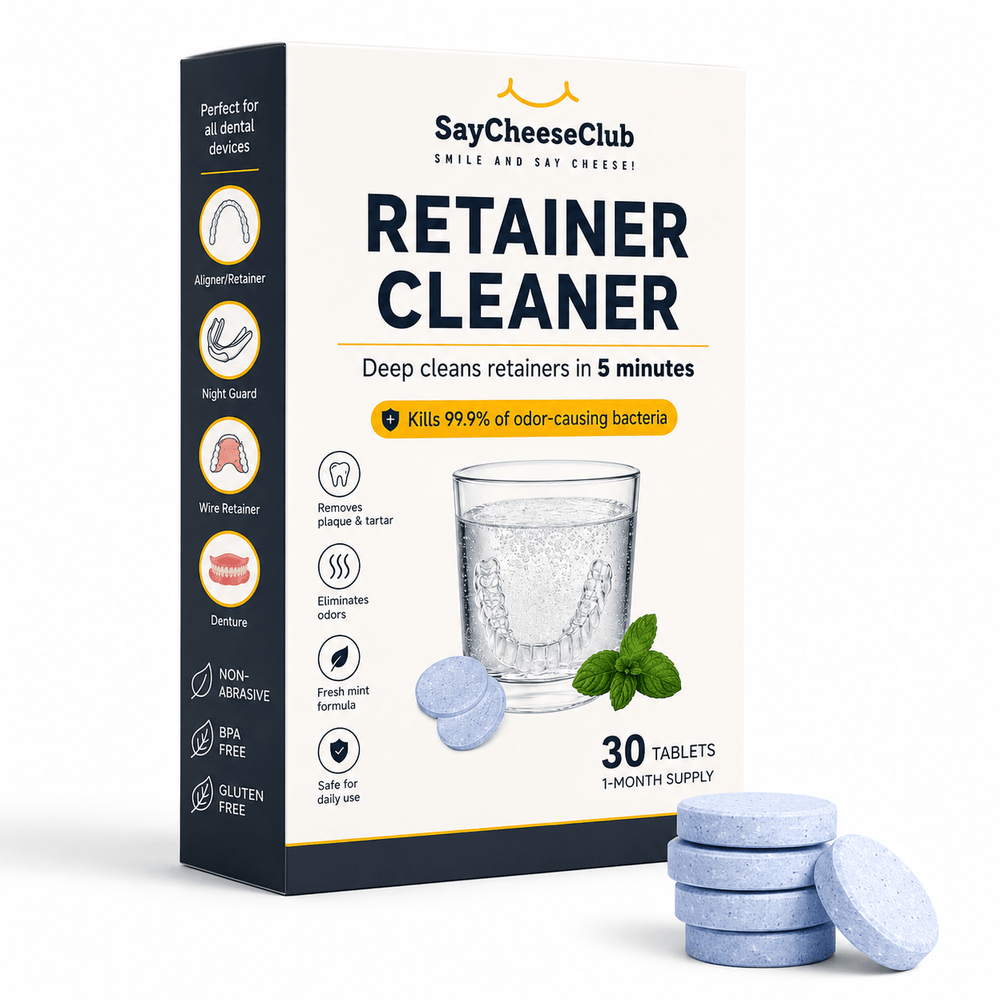
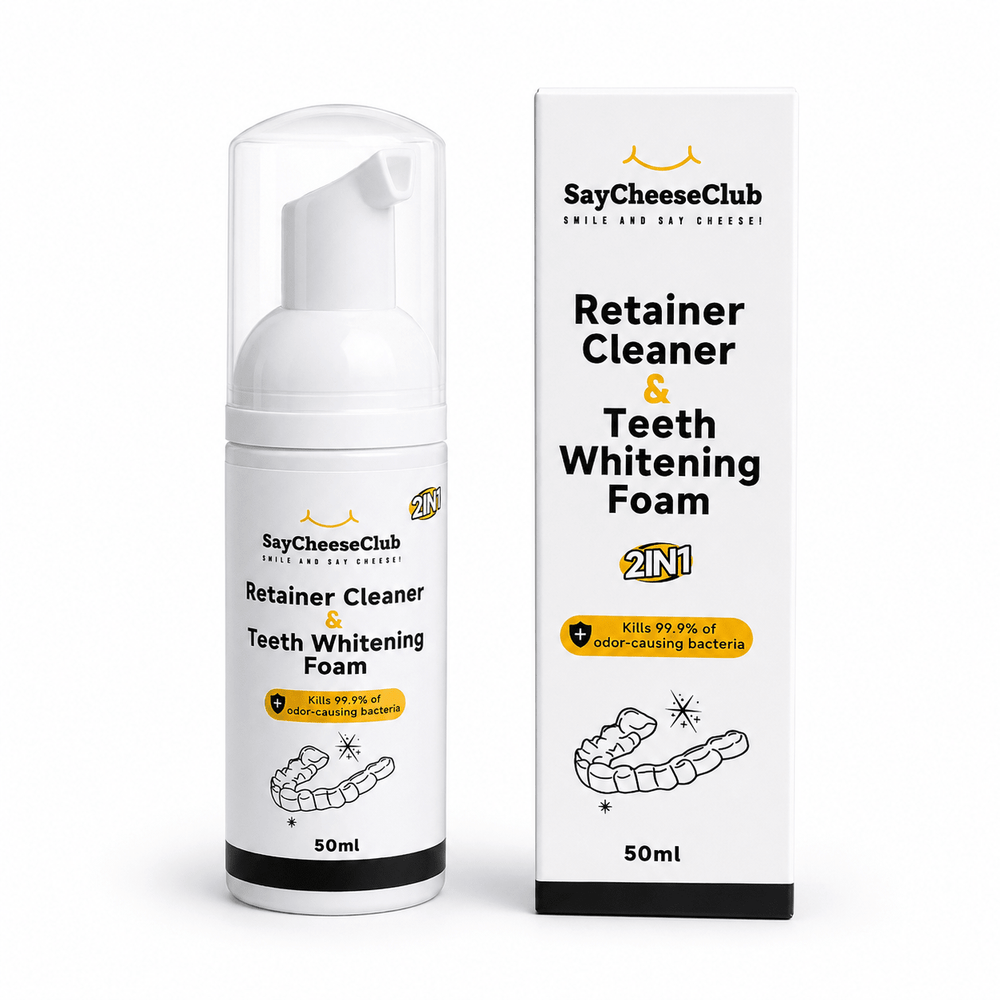
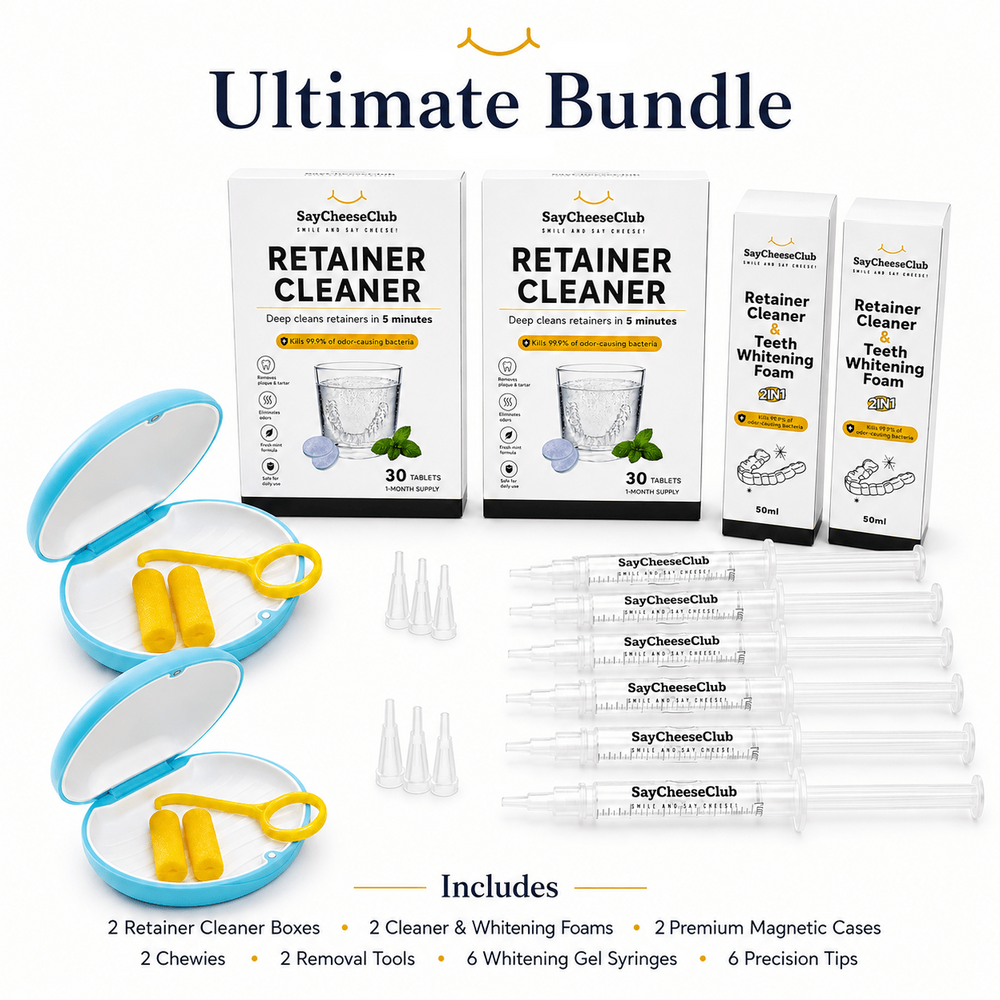
If you want something formulated specifically for the thinner material your retainer is made from rather than borrowing a product built for dentures, retainer specific cleaning tablets exist for exactly that reason and tend to be gentler over the long run.
If you want to go straight to the source, the American Association of Orthodontists put together a detailed breakdown of retainer care that is worth bookmarking, which you can read here at aaoinfo.org, and it covers everything from daily habits to the exact things you should never soak your retainer in.
Signs your retainer is telling you something is wrong
Even with perfect habits, retainers do not last forever, and it helps to know what damage actually looks like versus what is just normal wear. A cloudy or hazy appearance that does not go away after cleaning, a yellow tint that seems permanent, a fit that feels looser or tighter than it used to, or any visible cracking are all signs the material has started to break down. If your retainer tastes like chemicals no matter how thoroughly you rinse it, that is also worth paying attention to, since it usually means the plastic has absorbed more of the solution than it should have.
None of these signs mean you did something terribly wrong. Retainers are consumable, not permanent, and even with careful cleaning most people end up replacing theirs every one to two years depending on how often they are worn and how they are cared for.
If it is already past saving
If your retainer already looks like it has seen better days, cloudy, warped, or just not fitting the way it used to, that is usually less about how you have been cleaning it and more a sign that it is simply time for a new one. SayCheeseClub makes custom retainers built around your actual bite, with a durable material that is meant to hold up to a real daily routine rather than a delicate one that needs to be babied. If you are at that point, it is worth getting a fresh one made instead of continuing to nurse an old one along.
People also ask
Can I soak my retainer in denture cleaner every day
You can occasionally, but it is not the best long term habit. Daily use of standard denture cleaner can gradually degrade thinner retainer plastic over months, so it works better as a two or three times a week deep clean rather than an everyday routine.
Is it bad to leave a retainer in denture cleaner overnight
Yes, this is one of the most common mistakes people make. Leaving a retainer soaking for hours instead of the recommended 15 to 20 minutes gives the cleaning chemicals far more time than they need, which increases the risk of yellowing, cloudiness, and warping.
Can I use mouthwash instead of denture cleaner to soak my retainer
It is best to avoid this. Many mouthwashes contain alcohol, which can dry out and weaken retainer plastic over time. A denture cleaner, a retainer specific tablet, or a simple mix of water and mild soap are all better choices for soaking.
Why did my retainer turn yellow
Yellowing is almost always a sign of repeated over soaking or daily long term use of a cleaner that was not gentle enough for the material. It can also happen from smoking, coffee, or tea residue building up over time, but the cleaning habit is usually the bigger factor.
What is the difference between retainer cleaner and denture cleaner
Denture cleaner is formulated for the thicker acrylic used in dentures, while retainer specific cleaners are made for the thinner plastic used in most clear retainers. Retainer cleaners tend to be gentler and are the safer everyday choice if you can find them, while denture cleaner works fine as an occasional option.
Does hot water clean a retainer better than cold water
No, and this one is worth remembering. Hot or boiling water can actually warp retainer plastic and change its shape, which affects how it fits your teeth. Always stick to lukewarm or room temperature water for rinsing, brushing, or soaking.
Shop Retainer Cleaning Tablets Now