Yes, you can and should wear a sports mouth guard while you have braces. Orthodontic organizations strongly recommend it, since brackets and wires are just as vulnerable to impact as your teeth are.[^1] The nuance is in which type to use. A standard boil and bite guard can stick to your brackets and be difficult or painful to remove, and a fully rigid custom guard molded once isn't ideal while your teeth are actively shifting during treatment, since it won't adjust along with them. The better option during active treatment is usually a guard specifically designed with extra room for braces, something your orthodontist can point you toward. This is general information, not a substitute for your orthodontist's guidance on your specific treatment.
If you've got braces and you're heading back into a season of sports, you're asking exactly the right question before an injury forces the issue. Here's what's actually going on.
Why wearing a mouthguard with braces really matters
A hit to the face is a real risk in a lot of sports, and braces raise the stakes. Brackets and wires can cut into your cheeks and lips on impact, and a direct hit can bend a wire, pop off a bracket, or set your treatment back entirely, on top of whatever damage happens to the teeth themselves. A properly fitted mouthguard cushions that impact and keeps your braces, and your treatment timeline, intact.
Skipping a mouthguard because you already have braces, thinking the appliance itself offers some protection, is actually backwards. Braces add metal surfaces inside your mouth that make an unprotected hit worse, not better, which is exactly why orthodontists tend to be even more insistent about mouthguard use for patients currently in treatment.
Why a standard boil and bite isn't ideal with braces
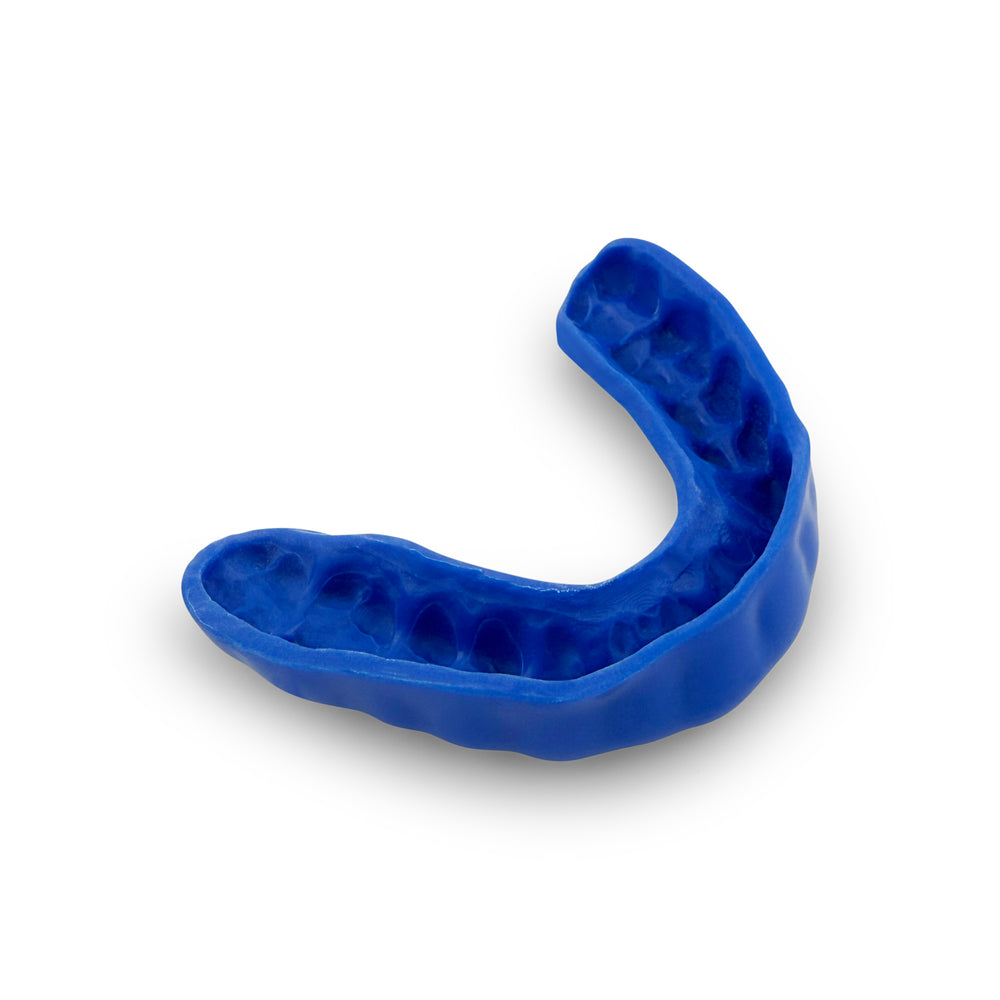
A typical boil and bite guard is designed to soften in hot water and mold around your teeth when you bite down. With braces in the mix, that softened material can get caught on your brackets and wires as it cools and hardens, making the guard difficult or even painful to remove. It's not that boil and bite guards never work with braces, it's that a generic one, not designed with that extra clearance in mind, often causes more hassle than it solves.
Why a rigid custom guard needs a different approach during active treatment
This is the part that surprises people. A true custom guard, molded once from an exact impression, fits beautifully right up until your teeth move even slightly, which is the entire point of having braces in the first place. A guard built around today's tooth positions can start feeling tight, uneven, or genuinely uncomfortable within weeks as your teeth shift. That's why a fully rigid, one time custom mold generally isn't the right call while your bite is actively changing.
Guard types and how they handle active braces
Here's a general breakdown of how the common options compare.
|
Guard Type |
Works Well With Active Braces |
Why |
|
Standard boil and bite |
Not ideal |
Can stick to brackets and wires when it hardens |
|
Braces specific guard |
Yes |
Built with extra room and often remoldable as teeth shift |
|
Rigid custom guard (one time mold) |
Not ideal during treatment |
Doesn't adjust as teeth move |
|
Stock guard |
Workable, but bulky |
Generic fit, no real accommodation for brackets |
The takeaway here is that the right choice during active treatment usually isn't your typical everyday mouthguard option. It's one specifically built for the fact that your bite is still changing.
What to actually look for during treatment
Look for a mouthguard labeled or marketed specifically for orthodontic patients, since these are built with extra interior space to accommodate brackets and wires comfortably. Some of these are designed to be reheated and reshaped periodically as your teeth shift, which solves the core problem a rigid custom guard runs into. If you're not sure which option makes sense for your specific sport and treatment stage, this is a genuinely good question to bring to your orthodontist, since they can factor in how much movement you have left and what level of impact your sport involves.
It's also worth planning to remold or replace your guard periodically throughout treatment rather than assuming one purchase will carry you through the whole process. Checking the fit every few months, or any time it starts feeling noticeably different, keeps the guard actually doing its job instead of just technically being in your mouth.
Once your braces come off
Here's the good news. Once your treatment is finished and your braces come off, your bite is stable again, and that's exactly when a true custom fit becomes the better long term option. A custom sports mouthguard molded specifically to your finished smile gives you the precise, comfortable fit that wasn't practical while your teeth were still moving.
If you want a deeper look at why fit matters so much for protection in general, our guide on why every athlete needs a custom athletic mouthguard walks through what separates a genuinely protective guard from one that just technically counts as one.
Keeping your smile healthy during treatment
Braces already make brushing and flossing a bit more involved, and sports add another layer of wear and tear to think about. Jason Healthy Mouth Anti-Cavity & Tartar Control Toothpaste is worth considering as part of your daily routine while you're navigating braces and an active sports schedule at the same time.
Sports Mouth Guard With Braces FAQs
Is it actually safe to wear a mouthguard with braces?
Yes, and it's strongly recommended rather than just allowed. The key is choosing a type designed with braces in mind, rather than a standard rigid custom or sticky boil and bite option.
Can I use a regular boil and bite mouthguard if I have braces?
It's not ideal, since the softened material can catch on brackets and wires as it hardens, making it difficult to remove. A guard specifically designed with extra room for braces is the better choice.
Why can't I just get a custom mouthguard while I have braces?
Because your teeth are actively moving during treatment, a guard molded once to fit your current teeth will stop fitting well as your bite changes. A remoldable or braces specific option handles that shifting much better.
Can I use the same mouthguard once my braces come off?
Generally no, since your teeth will have moved into their final positions. At that point, switching to a true custom fit mouthguard molded to your finished smile gives you a far better, longer lasting fit.
The bottom line
Wearing a mouthguard with braces isn't just possible, it's genuinely important, since brackets and wires add real risk on top of normal dental injury concerns. The key is matching the guard type to where you are in treatment: something with extra room and remoldability while your teeth are still moving, and a true custom fit once your braces come off and your bite has settled.
Ready to upgrade to a real custom fit once your braces come off? Shop the SayCheeseClub custom sports mouthguard today and get a guard molded specifically to your finished smile.