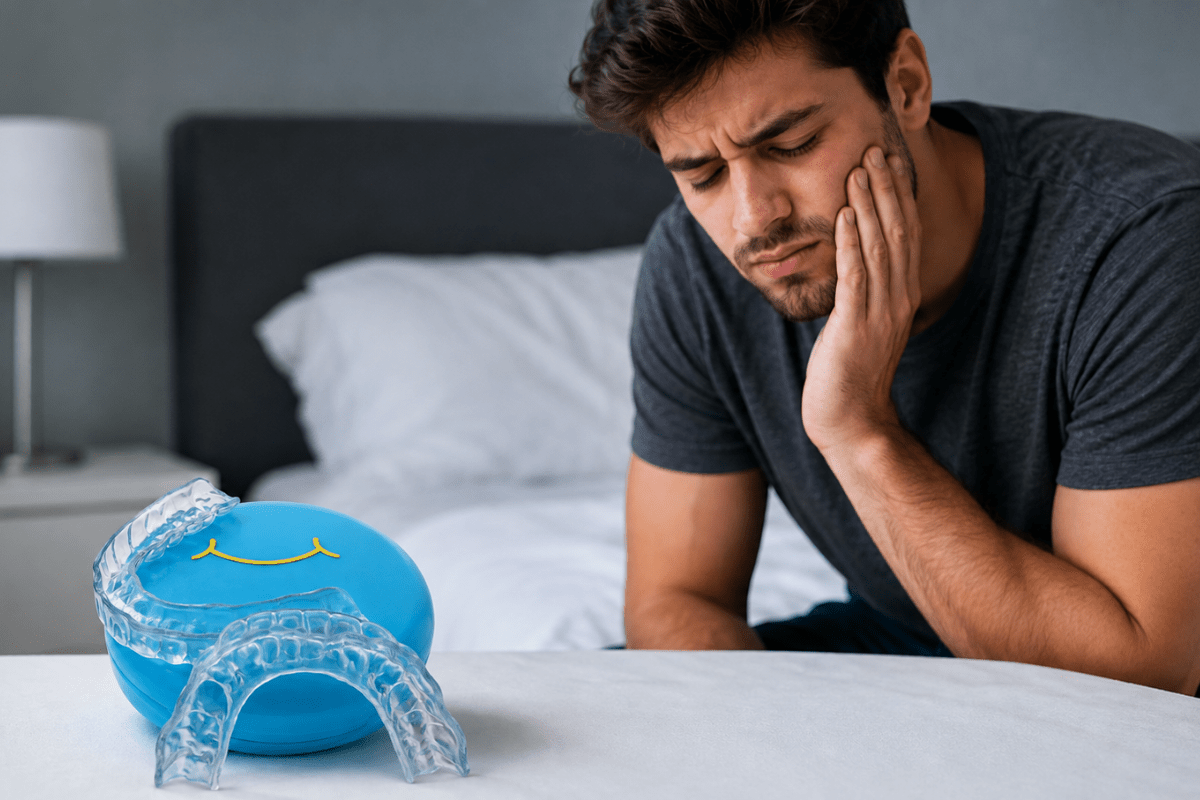
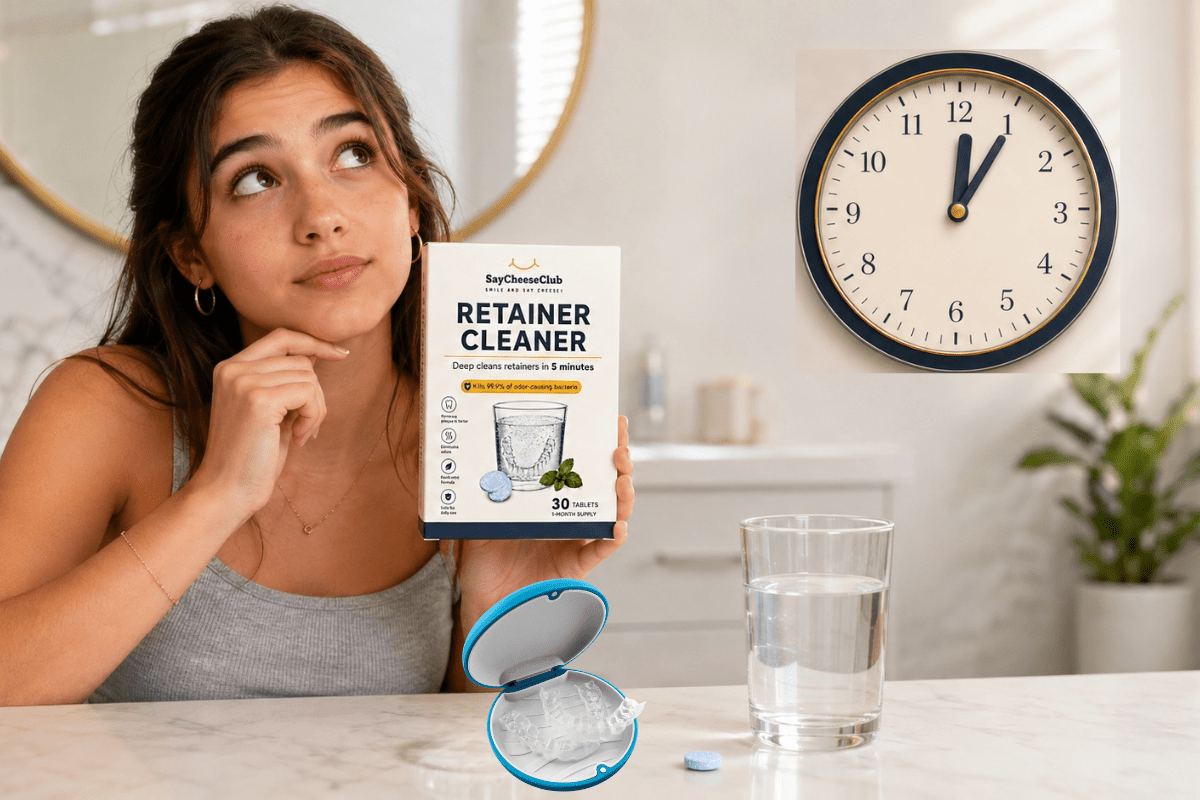
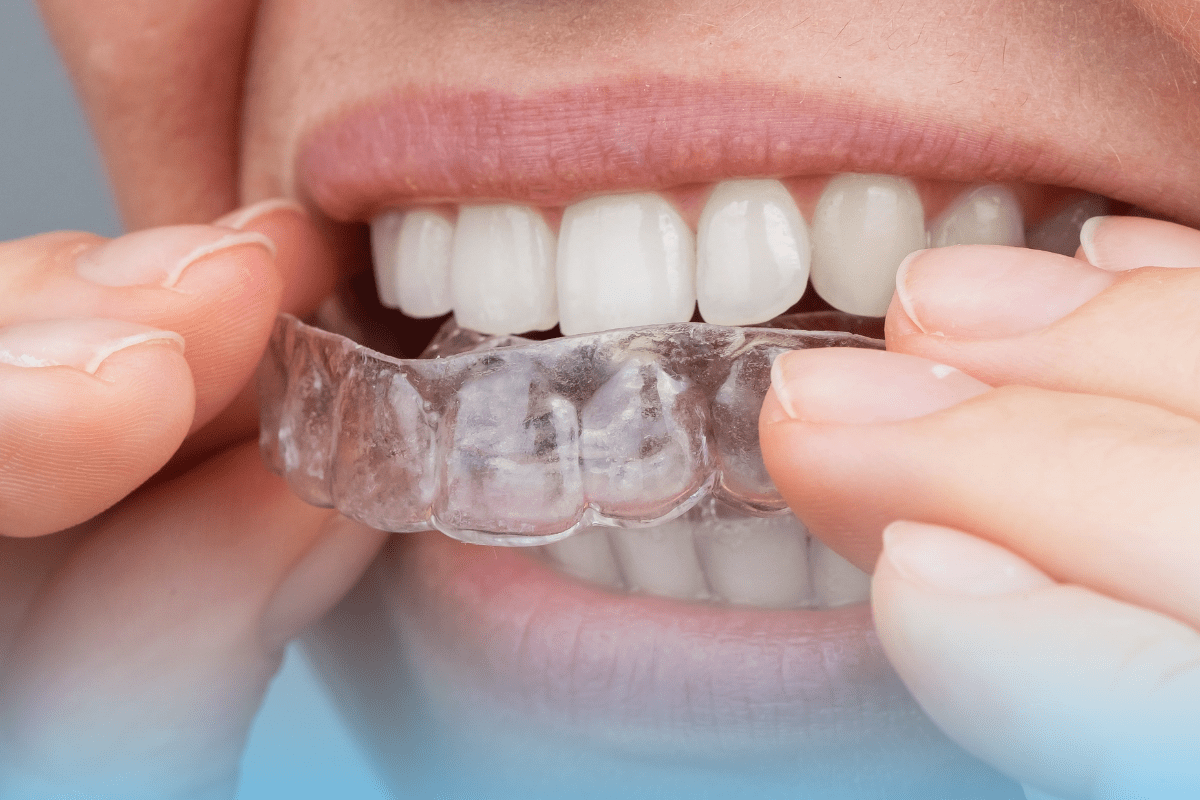
You are standing in the dental care aisle, or more realistically scrolling through it at midnight, staring at two very different looking options. On one side, a simple box of fizzy little tablets you drop in a cup of water. On the other, one of those sleek little ultrasonic gadgets that keeps showing up in your social media feed, promising to zap your retainer clean in five minutes flat. Both claim to do the same basic job, but once you actually compare what each one costs you in money, effort, and hassle, one of them comes out ahead for almost everyone, and it is not the flashy gadget.
We are going to walk through exactly how each method works, what they are genuinely good at, and why a good retainer cleaner tablet quietly outperforms an ultrasonic cleaner for the vast majority of people who just want a clean retainer without turning it into a whole routine.
The short version, if you are in a hurry
For almost everyone, retainer cleaner tablets are the better everyday choice. They are inexpensive, require zero setup, need no charging, no counter space, and no extra gadget to remember. Ultrasonic cleaners can be a nice extra for a small number of people with heavy buildup, but for daily maintenance, a good tablet does the job just as well without the added cost and clutter.
How retainer cleaner tablets actually work
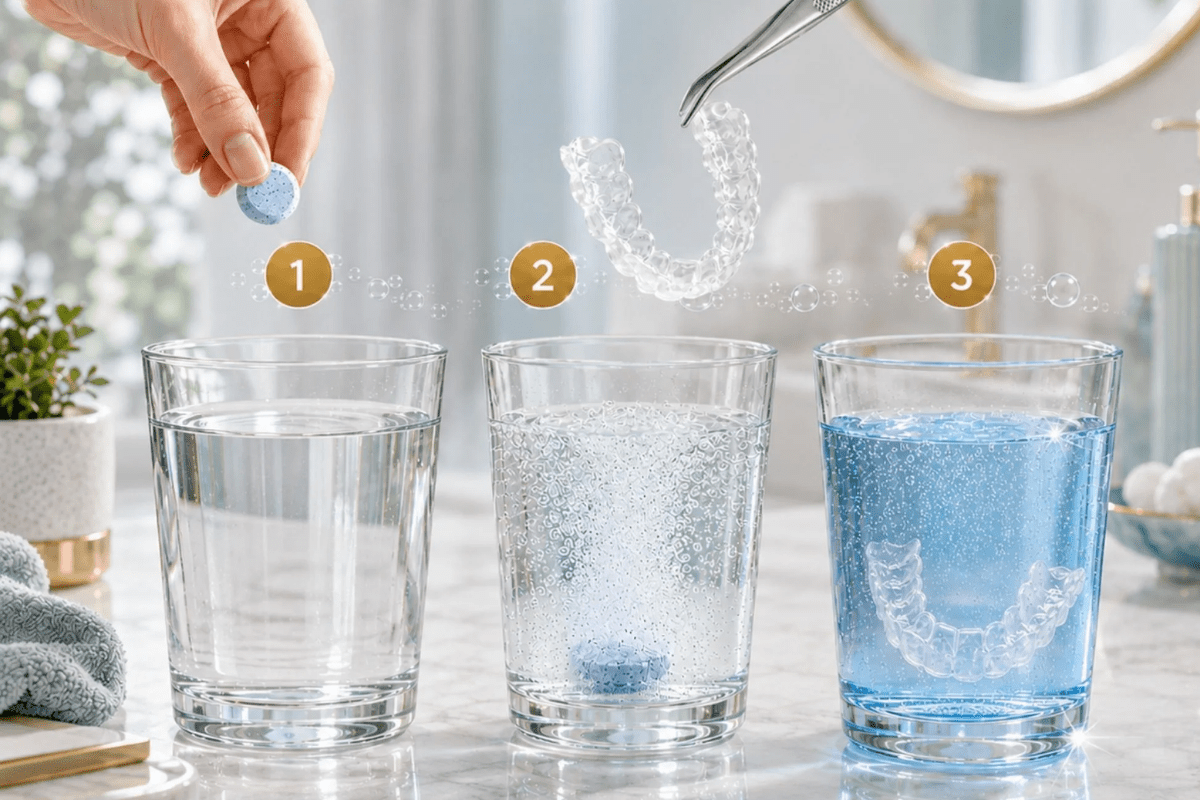
You drop a tablet into a cup of lukewarm water, it fizzes for a few minutes as it releases cleaning agents, and your retainer soaks in that solution to loosen plaque, break down odor causing bacteria, and lift residue that a toothbrush alone tends to miss. There is no plugging anything in, no charging, and nothing to carry except a small tablet that fits in a pocket or a travel bag without any trouble. This is, frankly, the entire point. A cleaning routine only works if you will actually keep doing it, and tablets ask almost nothing of you.
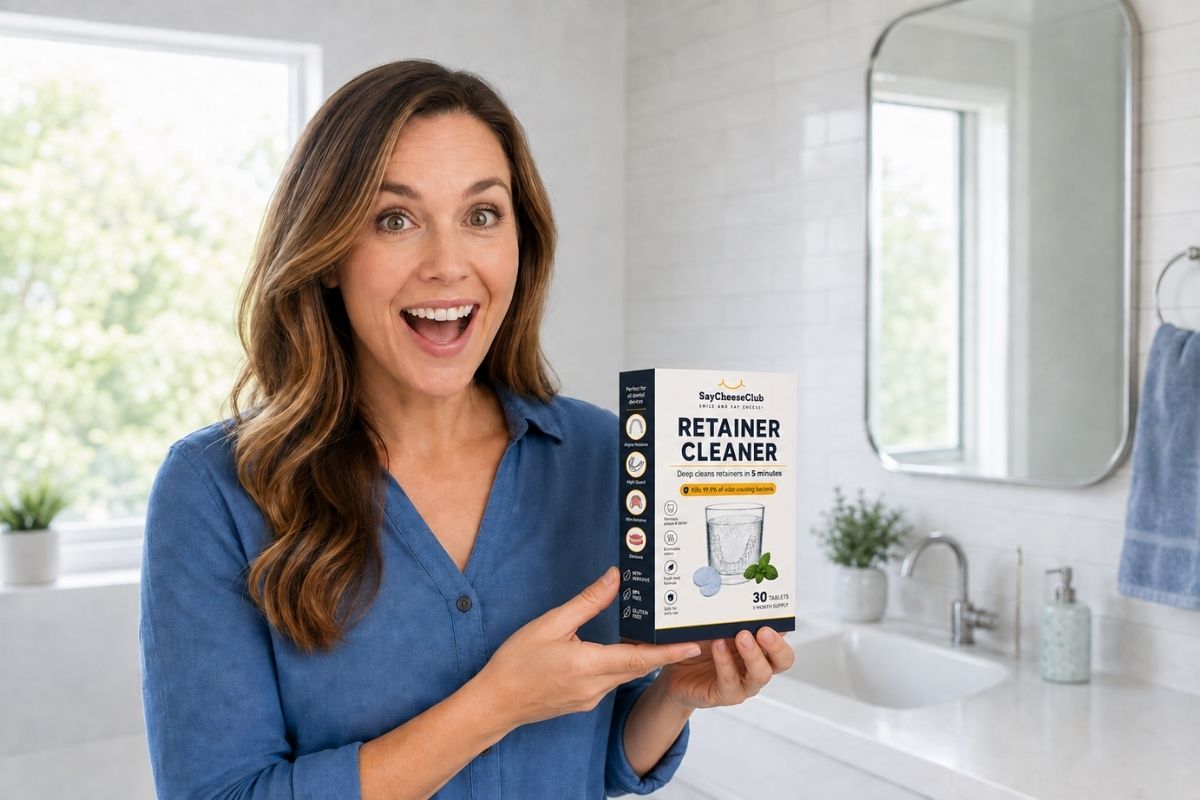
This is exactly the kind of low effort habit that actually survives your real schedule, since all it takes is dropping a tablet in water before you brush your teeth. SayCheeseClub's retainer cleaner tablets are formulated specifically for retainer plastic rather than borrowed from a denture cleaner that was designed for a completely different material, which matters more than most people realize, and a full soak takes about the same amount of time as brushing your teeth anyway.
How ultrasonic cleaners actually work
An ultrasonic cleaner uses high frequency sound waves to create thousands of tiny bubbles in the water, and those bubbles collapse against the surface of your retainer in a process called cavitation. That collapsing action can dislodge plaque and buildup from tight grooves or seams. It sounds impressive on paper, but for most retainers, which are smooth and do not have the wire components or textured surfaces of orthodontic hardware, a tablet soak reaches the same result without the extra step.
The real tradeoff is that you are now responsible for a small appliance. It needs a spot on your counter or in a drawer, it needs to be filled with water each session, and depending on the model, it needs charging or a nearby outlet. It also costs significantly more upfront than a supply of tablets that will last you months.
Head to head: why tablets win for most people
On cost, tablets win clearly. A pack costs a fraction of what a decent ultrasonic device runs, and even with daily use over a year, the total still tends to land well below the one time price of most ultrasonic cleaners.
On convenience, tablets win again. There is nothing to charge, fill, or clean afterward. You just drop it in, walk away, and rinse when you are done. An ultrasonic cleaner only saves you time if it is already charged and sitting somewhere you remember to use it, which in practice is not always the case.
On travel, tablets are the obvious winner. A few tablets in a small bag weigh nothing and need no outlet, while most ultrasonic cleaners are one more device you have to remember to pack and charge.
Ultrasonic cleaners only really pull ahead if your retainer has a lot of visible buildup in tight seams, which is a smaller use case than most of the marketing around these gadgets suggests.
Can you use both together
If you already own an ultrasonic cleaner, dissolving a tablet in the water tank alongside your retainer does combine both methods. But it is worth being honest here: for the average person with a standard retainer, this is an upgrade most people do not actually need. Tablets on their own already handle plaque, odor, and daily buildup effectively, which is exactly why they remain the default recommendation rather than an ultrasonic device.
If you want the simplest, most reliable habit without buying an extra gadget, keeping a steady supply of retainer cleaner tablets on hand covers what most people actually need, no appliance required.
A few mistakes that undo either method
Using hot or boiling water is the most common one, since heat can warp retainer plastic regardless of whether you are soaking it in a cup or running it through an ultrasonic cycle. Always stick to lukewarm or room temperature water. Skipping the rinse afterward is another common misstep, since a retainer should always be rinsed thoroughly before it goes back in your mouth. And relying on toothpaste to scrub a retainer clean between sessions can do more harm than good, since most toothpaste is too abrasive for retaining plastic and will dull its surface over time.
If you want an option that skips the guesswork, and the extra gadget, entirely, SayCheeseClub's retainer cleaner tablets are built around a formula that is gentle enough for daily use without needing to worry about concentration, timing, or a device sitting on your counter.
Where ultrasonic cleaners might still make sense
For reference, this is what a dedicated ultrasonic device looks like: a 45kHz ultrasonic retainer cleaner on Amazon. It is a reasonable option if you specifically have heavy, stubborn buildup that a soak alone has not resolved. For everyone else, it is an added expense solving a problem tablets already handle.
So which one should you actually buy
For almost everyone reading this, the answer is simple: start with tablets. They are cheaper, easier, more portable, and effective enough for daily maintenance without asking you to manage another gadget. Save the ultrasonic cleaner for the rare case where a tablet soak genuinely is not cutting it, rather than starting there by default.
People also ask
Are retainer cleaner tablets enough to keep my retainer properly clean
Yes, for the vast majority of people, tablets alone are enough. They remove plaque, odor causing bacteria, and daily residue effectively, which is why they remain the most commonly recommended option for everyday retainer care.
Do I need an ultrasonic cleaner if I already use retainer cleaner tablets
Not usually. Ultrasonic cleaners are only worth adding if you have persistent buildup in tight grooves that tablets alone have not resolved, which is a smaller group of people than the marketing for these devices suggests
How often should I clean my retainer
A quick rinse and gentle brush should happen daily, while a full soak in a cleaning tablet is typically recommended two to three times a week, or daily if you tend to have more visible buildup.
Are retainer cleaner tablets safe for clear plastic retainers
Yes, when used as directed with lukewarm water. Retainer specific tablets are formulated for thinner retainer plastic, unlike some denture cleaners which are made for thicker denture acrylic.
Can I use denture cleaner tablets instead of retainer specific tablets
You can occasionally, but denture cleaner is formulated for thicker denture acrylic rather than the thinner plastic most retainers are made from. Retainer specific tablets are the gentler, safer choice for regular use.
Is an ultrasonic cleaner worth the extra cost
For most people, no. Tablets handle daily cleaning effectively at a fraction of the cost, and an ultrasonic cleaner mainly adds value for a small number of cases involving heavy, stubborn buildup.
Shop Retainer Cleaning Tablets Now