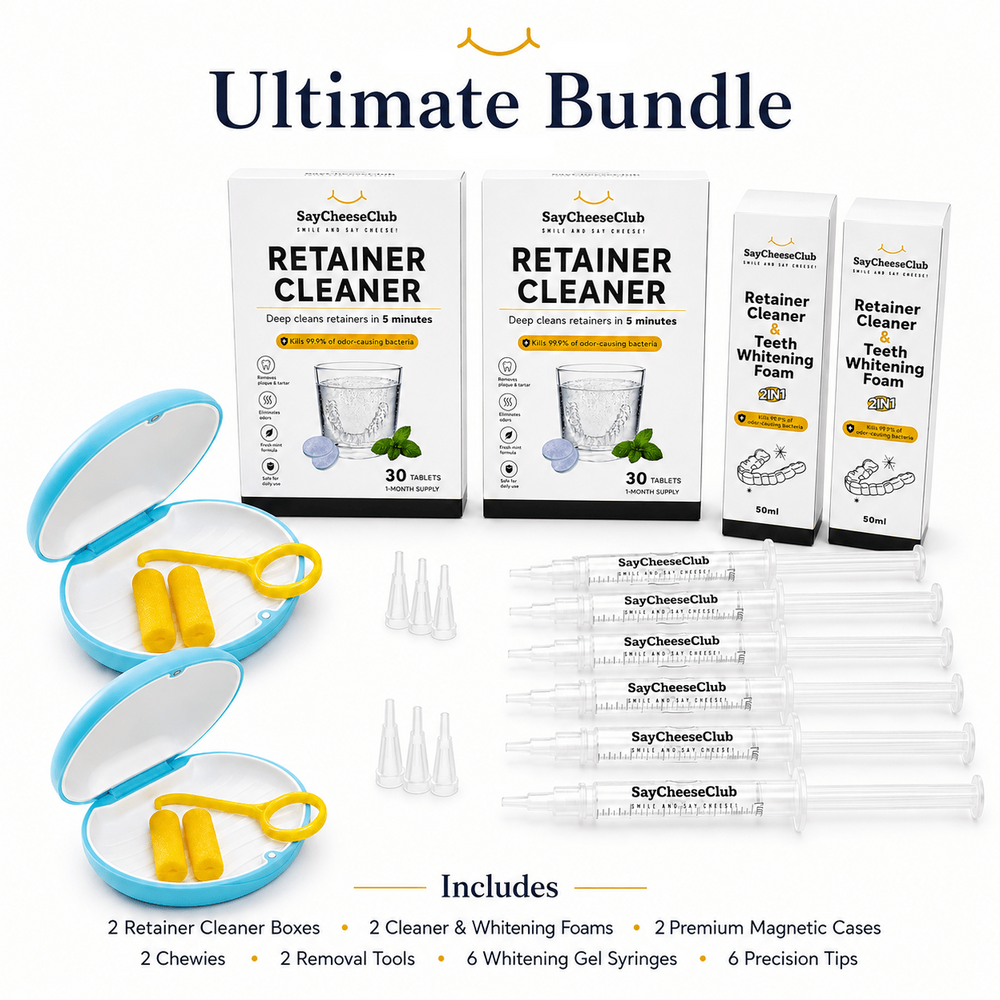
Y es, you can use a denture cleaner on retainers to freshen and disinfect them, and many people do. Drop your retainer into a glass of cool or lukewarm water with a denture-cleaning tablet, soak it for the time listed on the package (usually around 15 to 20 minutes), then rinse it thoroughly before wearing it again. A few precautions matter: never use hot water, since it warps the plastic, avoid long overnight soaks that can cloud clear retainers over time, and always rinse well so no cleaning residue reaches your mouth. Denture cleaner works as an occasional deep clean, but it does not replace gentle daily cleaning, and a cleaner made specifically for retainers is the safest long-term choice.
So you are staring at a foggy retainer and a tub of denture tablets, wondering if the two are meant for each other. Fair question. The short answer is yes, but there is a right way and a wrong way to do it. Let us walk through how to clean your retainer with denture cleaner safely, when to be careful, and what actually works best.
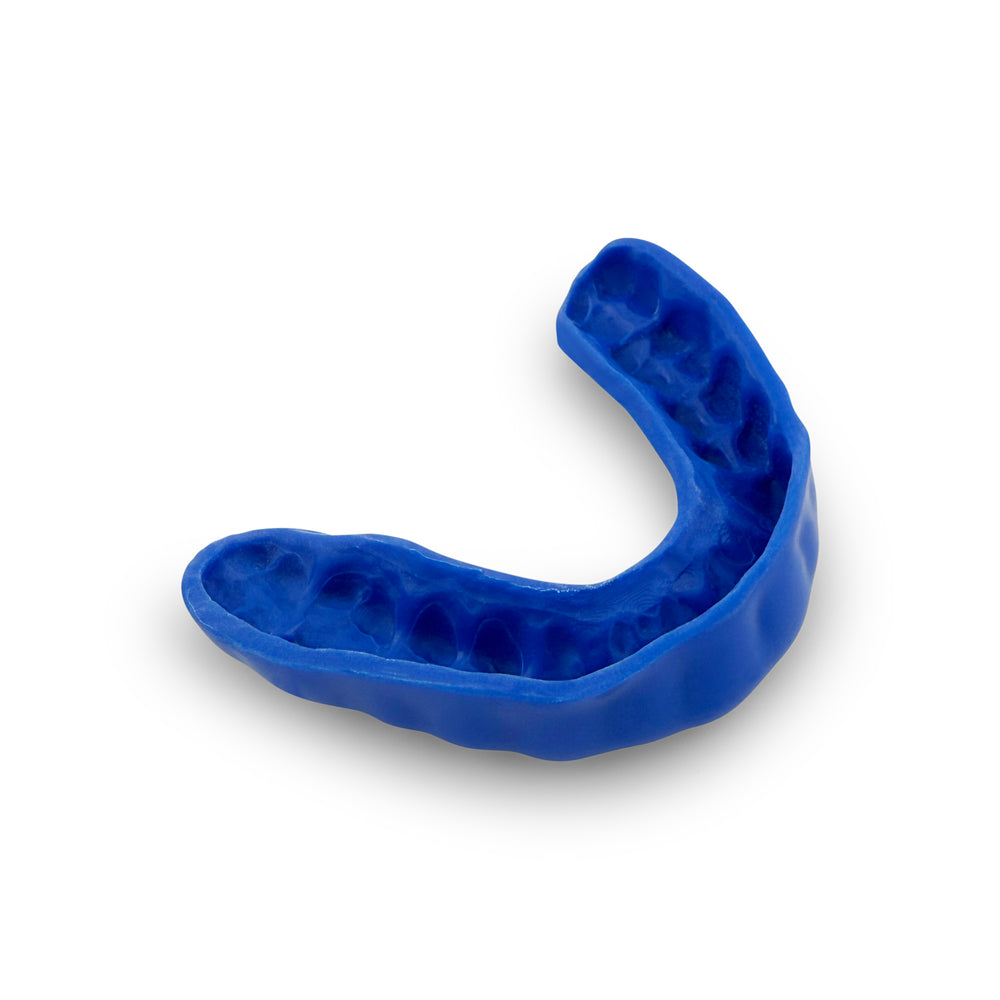
If you play a sport where contact happens, whether that is a hard tackle, a stray elbow, or a puck to the face, your smile is on the line every time you step on the field. A custom athletic mouthguard is the single best piece of protection for it. Let us break down exactly what makes it worth the upgrade, and how to get one that you will actually want to wear.
What is a custom athletic mouthguard?
Denture cleaner and retainers are close cousins. Both are dental appliances that live in your mouth, collect plaque and bacteria, and need regular cleaning. Denture-cleaning tablets are effervescent, meaning they fizz in water to lift away buildup, break down stains, and knock out odor. For a retainer that has gotten cloudy or a bit smelly, that can be a genuinely useful refresh.
The catch is that denture cleaners are formulated for dentures, not for the thin plastic of a clear retainer. That does not make them off-limits. It just means you should use them thoughtfully rather than dunking your retainer and forgetting about it.
How to safely clean your retainer with denture cleaner
Here is the simple, safe method:
- Rinse first. Give your retainer a quick rinse under cool water to clear off loose debris.
- Use cool or lukewarm water. Fill a clean glass with cool water and drop in one denture-cleaning tablet. Never use hot water, which can warp your retainer permanently.
- Soak for the recommended time. Follow the package timing, usually about 15 to 20 minutes. Resist the urge to leave it in longer.
- Brush gently. After soaking, lightly brush the retainer with a soft toothbrush to clear anything left behind.
- Rinse thoroughly. Rinse under cool running water for a good 20 to 30 seconds so no cleaning solution lingers on the retainer before it goes back in your mouth.
That is it. Done once or twice a week, this keeps most retainers fresh between your daily cleanings.
When to be extra careful
A few situations call for a lighter touch:
- Clear plastic retainers. Occasional soaks are usually fine, but frequent or lengthy exposure can gradually cloud or subtly roughen the clear plastic. Keep soaks short and infrequent, and lean on gentle daily cleaning instead.
- Skip overnight soaking. Leaving a clear retainer in the denture solution all night is a common mistake. A long soak is more likely to affect the look and feel of the plastic without cleaning any better than a proper short soak.
- Hawley retainers with metal wires. These generally tolerate denture cleaner, but avoid marathon soaks, and rinse well to keep the metal in good shape.
- Sensitivities. Some denture cleaners contain persulfates, which a small number of people react to. Rinsing thoroughly before wearing your retainer is the simple safeguard.
The theme across all of these is the same: short soaks, cool water, and a good rinse.
Denture cleaner versus a dedicated retainer cleaner
Here is the honest truth. A denture cleaner is a fine backup, but it is a borrowed tool. It was designed for a different appliance, which is exactly why you have to work around its quirks.
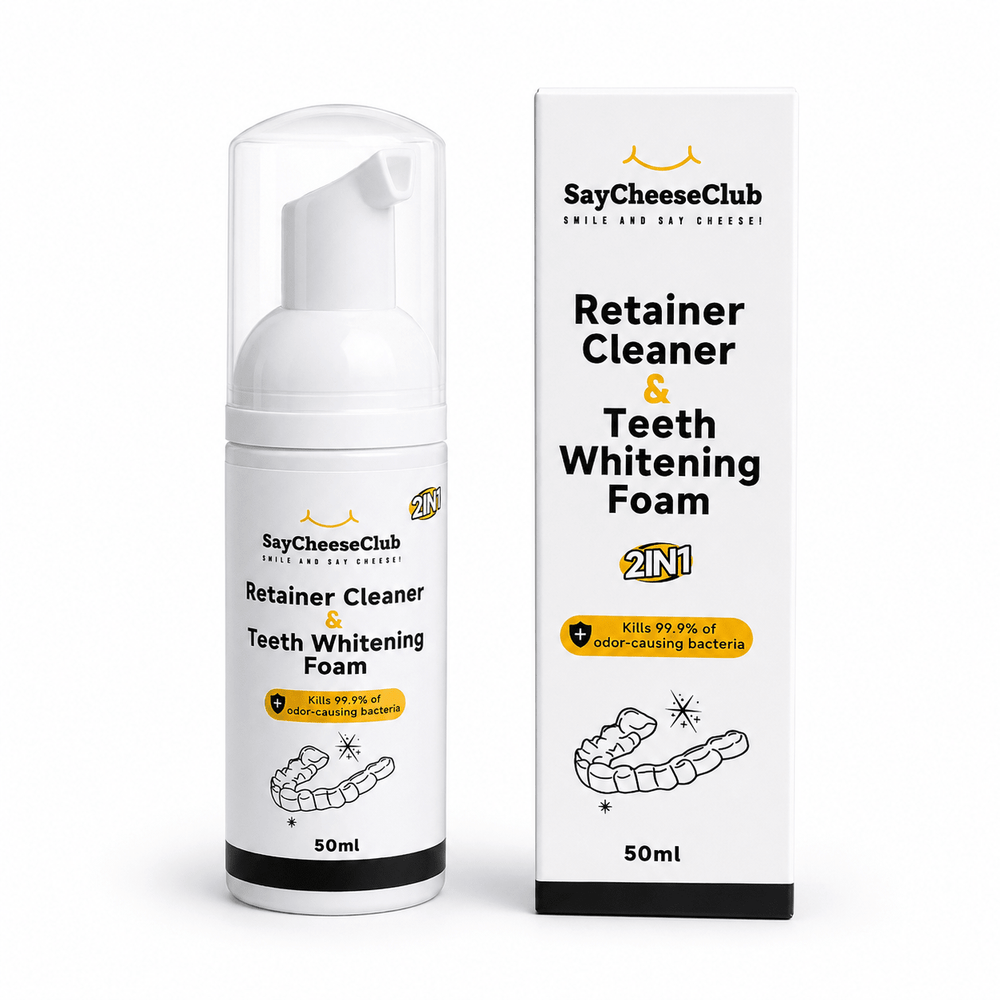
A cleaner made specifically for retainers and clear aligners is formulated for that thinner, more delicate plastic. It cleans and deodorizes effectively without the same risk of clouding, and it takes the guesswork out of soak times and dilution. If you clean your retainer regularly, a purpose-made solution is simply the safer, more convenient choice over the long run.
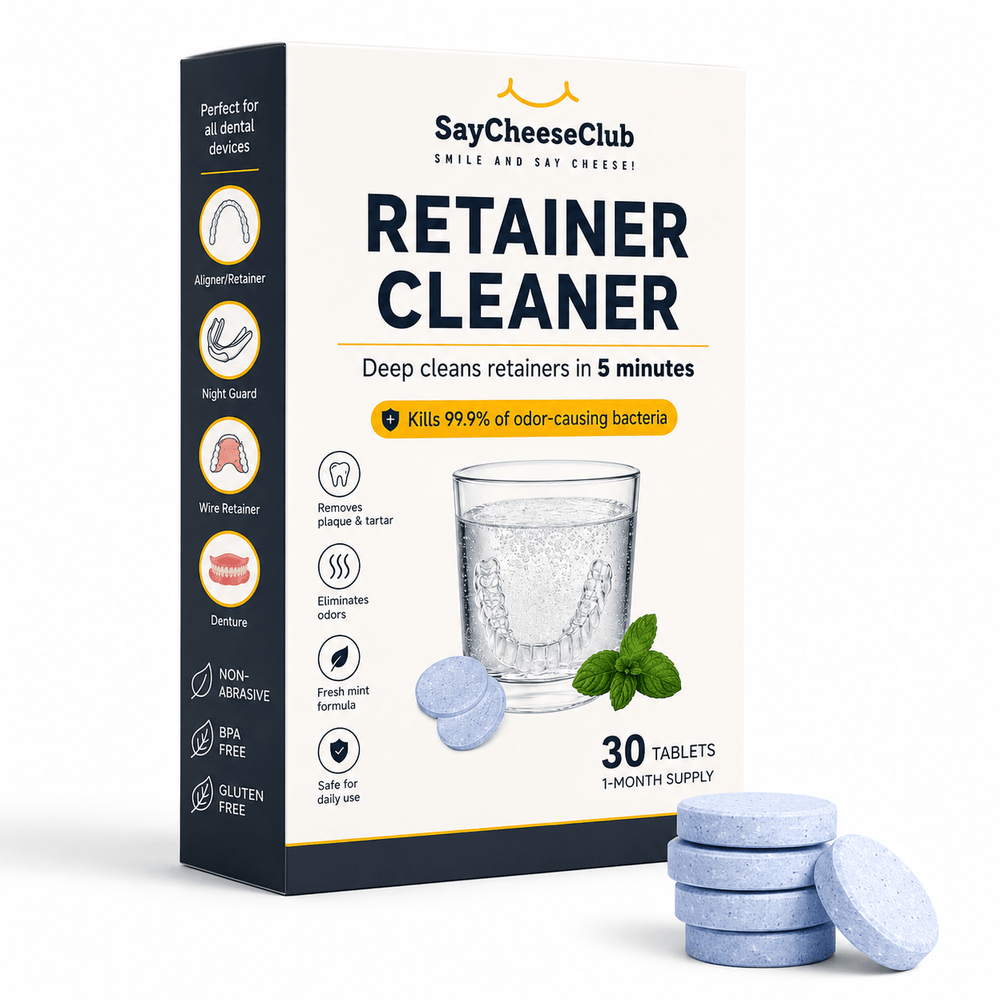
That is why SayCheeseClub offers a retainer cleaning solution designed specifically for clear retainers and aligners, so you can keep yours fresh and clear without improvising with products meant for something else.
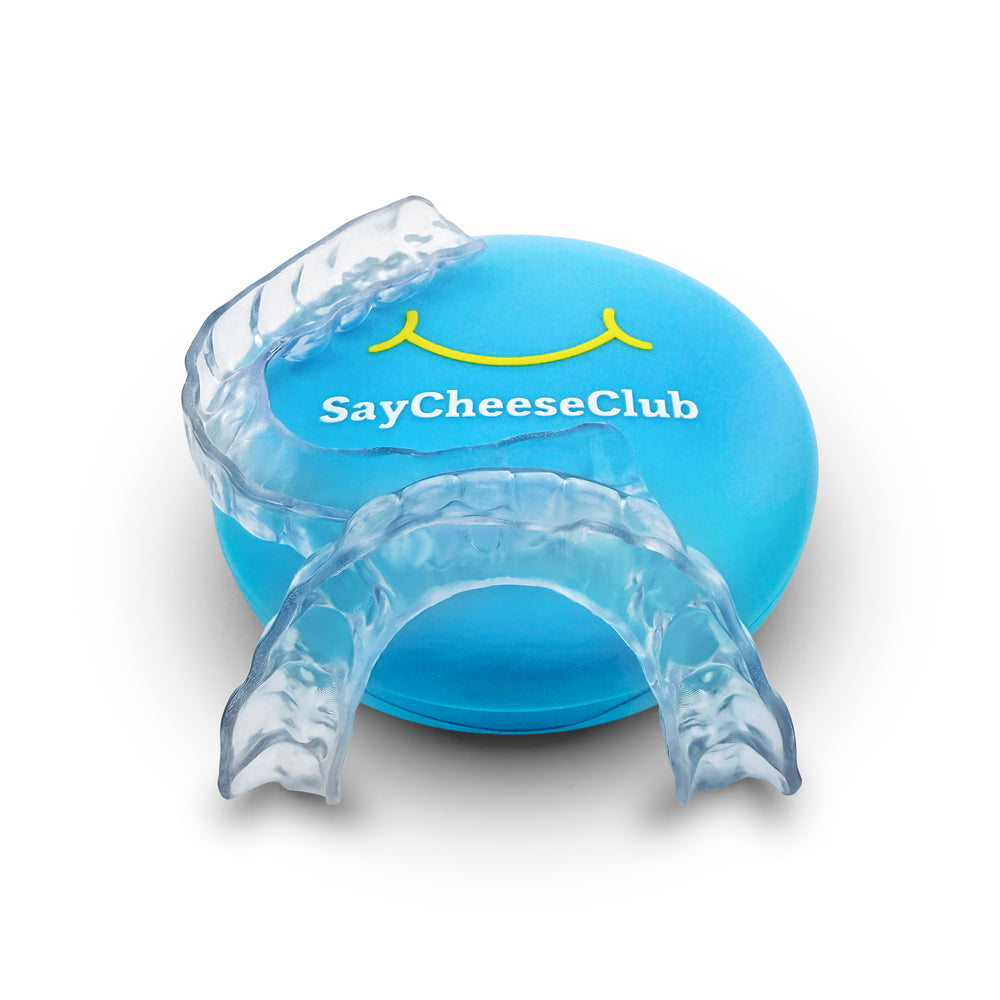
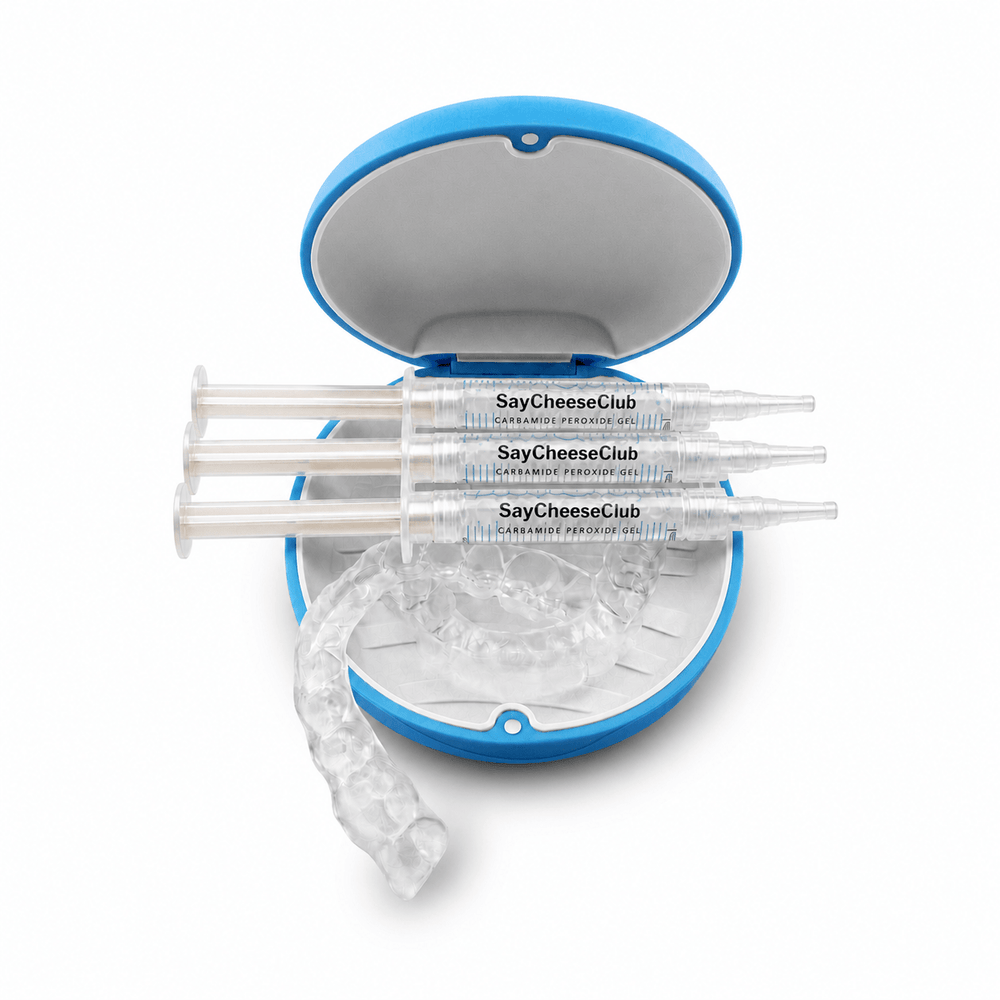
And if your retainer has already been damaged, whether from hot water, a harsh cleaner, or just age, cleaning will not bring it back. In that case a fresh, custom-molded set is the fix, and the custom upper and lower retainer set is the easy way to replace it from home, no orthodontist visit required.
Your daily retainer cleaning routine
Denture cleaner is for the occasional deep clean. What keeps a retainer genuinely fresh is a light daily habit:
- Rinse every time you take it out. Cool water, right away, before saliva and plaque dry onto it.
- Brush gently once a day with a soft toothbrush and a little mild, unscented soap. Skip regular toothpaste, which is abrasive enough to scratch the plastic and create spots where bacteria hide.
- Let it dry before storing it in a ventilated case.
- Take care of your own mouth too. A clean retainer starts with clean teeth, so keep up your regular brushing and flossing. If your teeth ever feel sensitive, brands like Sensodyne share helpful oral care tips worth a look.
Do this daily, and your retainer barely needs the heavy-duty stuff.
What not to use on your retainer
Just as important as what works is what to avoid entirely:
- Hot or boiling water. The fastest way to warp a retainer beyond saving.
- Regular toothpaste. Too abrasive, and it scratches the surface.
- Colored or alcohol-based mouthwash for soaking. It can stain the plastic and dry it out.
- Bleach or harsh household cleaners. Not made for something that goes back in your mouth.
Stick to gentle methods and the occasional proper denture-cleaner or retainer-cleaner soak, and your retainer stays clear and comfortable far longer.
Denture Cleaner and Retainers FAQs
Can you soak retainers in denture tablets?
Yes. Soak your retainer in cool or lukewarm water with a denture-cleaning tablet for the time listed on the package, usually about 15 to 20 minutes, then rinse it thoroughly before wearing it. Keep soaks short and avoid hot water.
How long should you soak a retainer in a denture cleaner?
Follow the package directions, which are typically around 15 to 20 minutes. Avoid long or overnight soaks, especially with clear retainers, since extended exposure can cloud the plastic without cleaning any better.
Will denture cleaner damage or cloud my retainer?
Occasional, short soaks in cool water are generally safe. The risk comes from frequent or overnight soaking of clear retainers, which can gradually cloud or roughen the plastic. Short soaks and a good rinse keep that risk low.
What is the best thing to clean retainers with?
For daily care, cool water and a soft brush with a little mild soap. For a periodic deep clean, a cleaner made specifically for retainers is ideal, since it is formulated for the thin plastic. Denture cleaner works as an occasional backup.
Can you use denture cleaner on clear or Invisalign-style retainers?
Occasionally, yes, with short soaks in cool water and a thorough rinse. Because clear aligners and retainers use delicate plastic, a dedicated retainer or aligner cleaner is the safer long-term option, and it is worth checking any care instructions that came with your appliance.
How often should you deep clean your retainer?
A deeper soak once or twice a week is plenty for most people, on top of rinsing after every use and a gentle daily brush. If it starts to look cloudy or smell off between cleanings, that is your cue to clean it sooner.
Can I use toothpaste to clean my retainer?
It is best not to. Regular toothpaste is abrasive and can leave tiny scratches on the plastic where bacteria collect. A soft brush with mild soap, or a proper retainer cleaner, is gentler and more effective.
Shop Retainer Cleaner Tablets NowThe bottom line
Can you use a denture cleaner on retainers? Yes, as an occasional refresh, as long as you use cool water, keep the soak short, and rinse thoroughly afterward. Just remember it is a borrowed tool, not a daily solution. Pair a gentle daily routine with the occasional proper soak, and for the safest, most convenient long-term care, reach for a cleaner made specifically for retainers. Treat yours well and it will keep protecting your smile, clear and comfortable, for the long haul.
Keep your smile in perfect shape with SayCheeseClub. For a damaged or worn retainer, the custom upper and lower retainer set replaces it from home, no orthodontist appointment required.