Jaw pain may be related to a temporomandibular disorder (TMD) if you notice symptoms such as jaw clicking, locking, or pain that gets worse when you chew or speak.
Have you ever felt soreness in your jaw every time you chew, yawn, or wake up in the morning? You are not alone. A lot of people put up with this kind of discomfort for a long time, assuming it is normal or just a result of being tired. But how do you actually know if TMJ is the reason behind your jaw pain, or if it is something else that will simply go away on its own?
In this article, we will talk about what TMJ really is, the signs you should watch out for, and what you can do to find relief. If you are the type who avoids seeing a dentist even when something feels off, hopefully this changes your mind by the end.
What Is TMJ, Exactly
TMJ stands for Temporomandibular Joint, the joint that connects your jaw to your skull, located just in front of each ear. This joint is what allows you to chew, speak, yawn, and even smile. When something goes wrong with this joint or with the muscles and ligaments surrounding it, it is referred to as a TMJ disorder, also known as TMD.
This is not just ordinary tooth or gum pain. TMJ disorders are usually the result of overuse, injury, stress, or bruxism, which is the habit of grinding or clenching your teeth, often while you sleep. That is why you may not notice the cause right away until you wake up with a jaw that already hurts.
Common Signs You Should Watch Out For
If you want to figure out whether TMJ is behind your pain, here are the most common symptoms people report:
-
Soreness or aching in the jaw, especially in the morning or after eating
-
Clicking or popping sounds when opening or closing your mouth
-
Limited jaw movement, where your mouth feels stuck or painful when opening wide
-
Headaches or migraines, particularly around the temples
-
Ear pain or ringing in the ears with no signs of an ear infection
-
Neck and shoulder pain, since these muscle groups are closely connected
-
Worn down or sensitive teeth, a sign of possible grinding during sleep
If several of these sound familiar, there is a good chance TMJ is the culprit. Still, the only way to know for sure is through a proper evaluation by a dentist or a TMJ specialist.
What Causes TMJ Jaw Pain
Several factors can contribute to a TMJ disorder. These include chronic stress that leads to unconscious jaw clenching, arthritis in the joint, jaw misalignment or injury, and one of the most common causes, bruxism or teeth grinding during sleep. Sometimes, even your posture or the way you sleep can affect the health of your jaw.
Bruxism tends to be the hardest to catch early because it happens while you are unconscious. Often, the first sign is waking up with a sore jaw, or being told by your dentist that your teeth show visible signs of wear.
When You Should See a Dentist
If the pain is mild and goes away after a few days, you can try simple home remedies first, such as applying a warm compress, sticking to soft foods, and avoiding gum. But if the pain lasts longer than a week, the clicking sound gets worse, or it starts affecting your daily life, it is time to see a dentist.
Getting checked early can help prevent more serious complications, such as permanent joint damage or even the need for surgery down the line. It is always better to address it early rather than wait for it to get worse.
How a Night Guard Can Help With TMJ
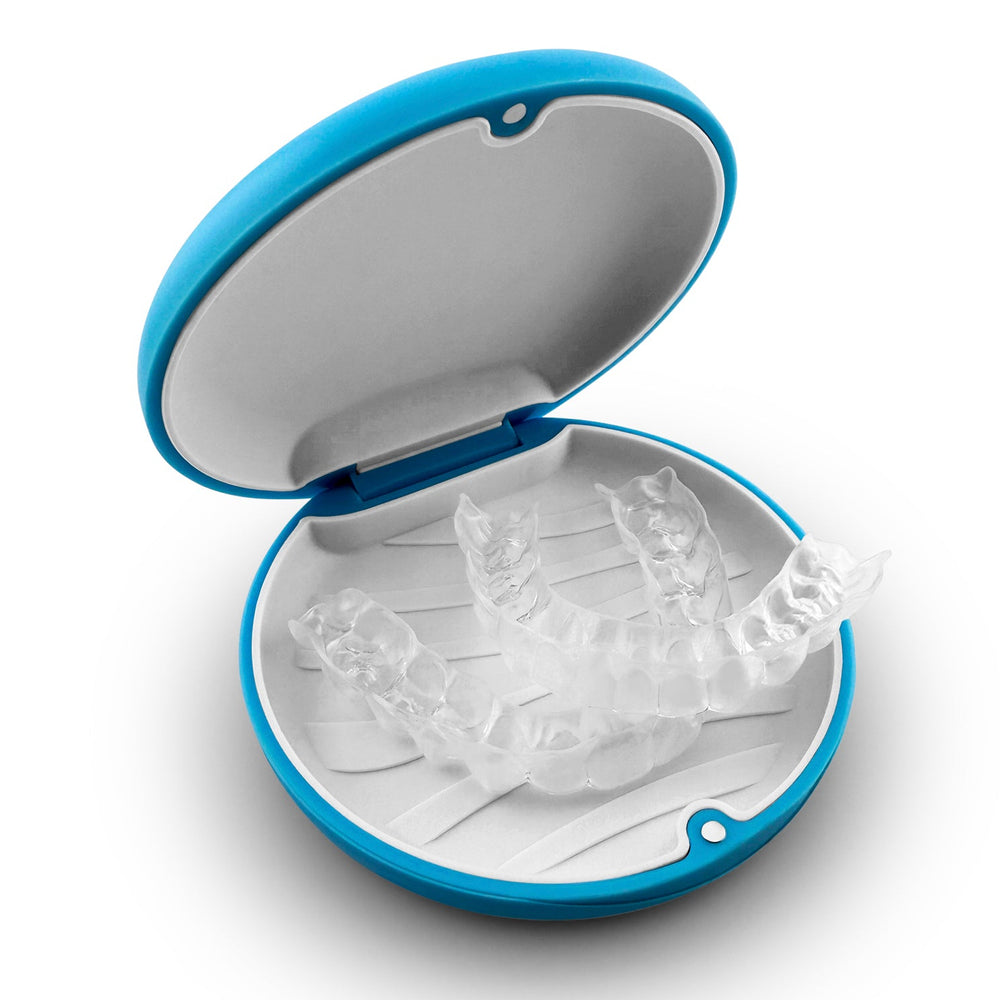
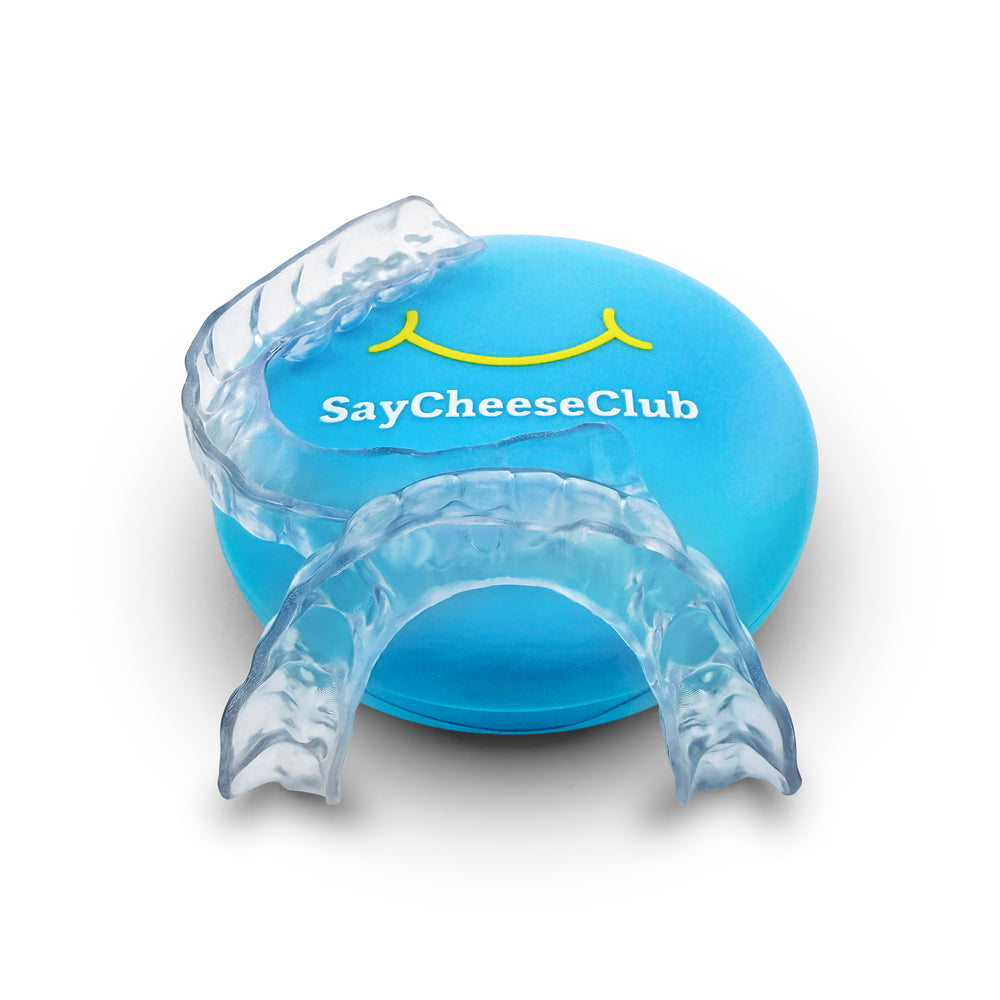
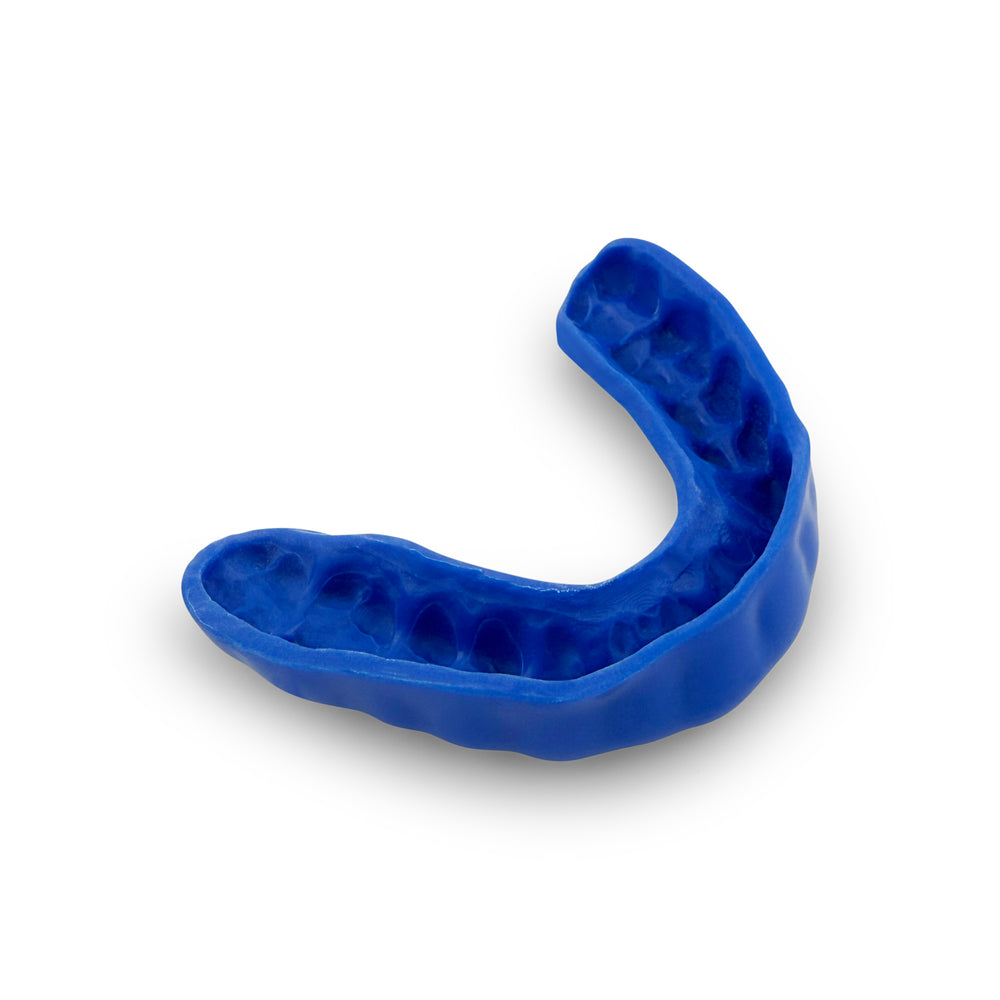
One of the most common and effective ways to reduce stress on the jaw is by using a night guard. This is a custom-fit device worn while sleeping to prevent direct contact between the upper and lower teeth, which is the main cause of pain when bruxism is involved. By using a night guard, pressure on the temporomandibular joint and the surrounding muscles is reduced, gradually easing soreness and pain in the morning.
If you want to try this out, there is a night guard available that is specifically designed to protect your jaw while you sleep and reduce the effects of grinding on your teeth and joints.
Choosing the Right Oral Appliance
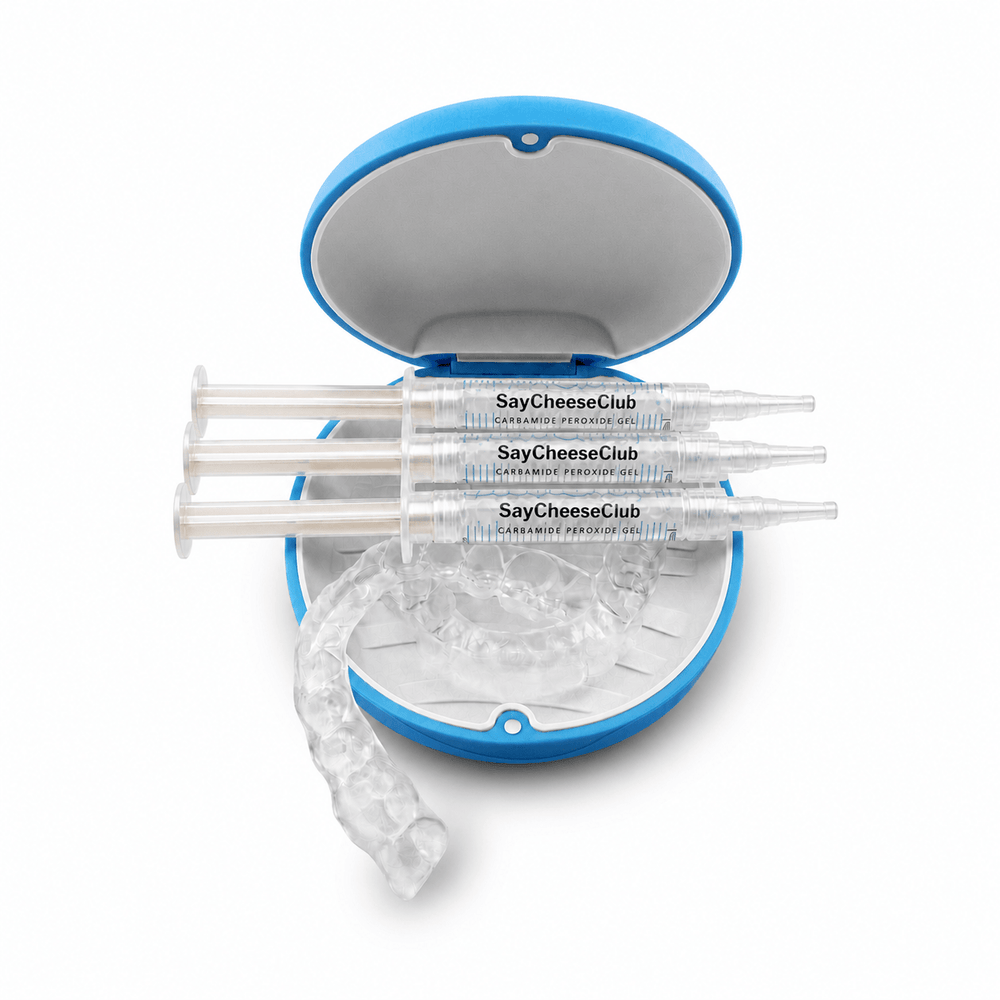
Aside from a night guard, some people also need extra support for teeth alignment, especially when misalignment is part of the reason why pressure on the jaw becomes uneven when it closes. In this kind of situation, using a retainer to help maintain proper tooth position can also help reduce stress on the joint over time.
If this is the kind of support you are looking for, there is an upper and lower retainer set that can help not just with alignment, but also with the overall comfort of your jaw.
Other Ways to Manage TMJ Pain
Besides oral appliances, there are lifestyle changes that can help too. First, avoid hard or sticky food while you are experiencing an active flare-up. Second, try jaw stretching exercises, which are often recommended by physical therapists to relieve muscle tension. For more serious cases involving jaw hypomobility or significant stiffness, there are clinically studied jaw rehabilitation devices such as the TheraBite Jaw Motion Rehabilitation System, which is used to help patients with severe limitations in mouth opening, though this is typically used under the guidance of a doctor or physical therapist.
Third, reduce stress through regular relaxation techniques, since stress is a major factor behind unconscious clenching. And of course, do not forget regular dental checkups so any changes in your jaw and teeth can be monitored early.
If you want to know more detailed signs of exactly when you need a night guard, we have a complete guide on 10 signs you need a TMJ night guard for pain relief, which can help you better understand your situation.
People Also Ask
How do I know if my jaw pain is TMJ?
If you notice clicking sounds, limited mouth opening, and morning soreness paired with headaches or ear pain, there is a strong chance TMJ is the cause. It still needs to be confirmed by a dentist.
Does TMJ go away on its own?
In some cases, yes, especially if it is caused by temporary stress or overuse. But if it persists beyond a week, it is better to consult a professional.
Is a night guard actually effective for TMJ?
Yes, because it reduces direct pressure between the upper and lower teeth, which is the main source of joint stress when bruxism is present.
When should I start worrying about jaw pain?
When the pain lasts longer than a week, the clicking gets worse, or it starts affecting how you eat and speak, it is time to see a dentist.
The Bottom Line
Jaw pain should not be brushed aside, especially when it keeps coming back. If you recognize the symptoms mentioned here, there is a good chance TMJ is what you are dealing with. The good news is there are simple ways to ease it, from using a night guard from SayCheeseClub, choosing the right retainer, to making small lifestyle adjustments. But most importantly, the best step you can take is seeing a dentist so you can find out exactly what is going on with your jaw and get the right treatment.