Yes, you can wear a retainer after wisdom teeth removal, but not right away. Most people should pause for the first 24 hours to a few days while swelling, tenderness, and bleeding are at their worst, then resume as soon as it feels comfortable. Simple extractions with little swelling may allow you to put your retainer back in after about 24 hours, while more complex or impacted removals can take several days to a couple of weeks. Because wisdom teeth sit at the very back of your mouth and most retainers only cover your front and visible teeth, your retainer usually still fits fine. Always follow your oral surgeon's specific instructions, and get back to wearing it as soon as you safely can, since even a short break can let your teeth start shifting.
If you just had your wisdom teeth out and you are staring at your retainer wondering whether you are supposed to put it back in, take a breath. This is one of the most common questions people have after surgery, and the answer is reassuring. Let us walk through exactly when to resume, why it matters more than you might think, and what to do if your retainer suddenly feels tight.
The short version: yes, but give it a little time
Here is the balance you are trying to strike. Wearing your retainer too soon can irritate the fresh extraction sites and get in the way of healing. Not wearing it long enough can let your teeth drift out of place. So the goal is simple: rest first, then return to your retainer as soon as your mouth is comfortable enough to handle it. For most people, that first day after surgery is strictly for recovery. Your mouth is swollen, a little sore, and busy forming the blood clots that protect your healing sockets. Putting a retainer in during that window is usually more trouble than it is worth.
When can you start wearing your retainer again?
Everyone heals at a different pace, and how complex your extraction was makes a big difference. A straightforward removal is a very different recovery from four deeply impacted wisdom teeth. Here is a general timeline to set your expectations, though your own body and your surgeon get the final say.
| Time after surgery | What to expect |
|---|---|
| First 24 hours | Focus on rest and clot protection. Most people leave the retainer out entirely. |
| 1 to 3 days | Simple extractions with minimal swelling may allow gentle retainer wear if it feels comfortable. |
| 3 to 5 days | Many can try the retainer again, often for shorter stretches at first. |
| 1 to 2 weeks | Most people resume regular wear, staying attentive to any lingering soreness. |
| 3 to 4 weeks | Typically back to a normal retainer routine with no issues. |
The golden rule across all of it: if wearing your retainer causes real pain, take it out and give yourself more time. Mild snugness is fine. Sharp discomfort near the extraction sites is a signal to wait.
Why it matters so much that you go back to it
It is tempting to enjoy a little retainer vacation while you recover, but here is the part worth understanding. Your teeth are held in place by tiny ligaments, and those ligaments never fully stop wanting to pull your teeth back toward where they used to be. That is exactly why you got a retainer in the first place.
A single short break of a few days will not undo your results. But drag it out for a couple of weeks or more, and you may notice your retainer starting to feel tight when you finally put it back in. That tightness is your teeth telling you they have already begun to move. Leave it even longer and the retainer may not fit at all.
And this is the frustrating catch: if your teeth shift and you get a new retainer, that new one holds your teeth wherever they are now, not where they were right after braces. To actually move them back, you would be looking at braces or aligners all over again. Wearing your retainer consistently is a whole lot easier than repeating orthodontic treatment.
Do wisdom teeth even affect your retainer?
Good news here. Your wisdom teeth are your third molars, tucked right at the back corners of your mouth. Most retainers, including clear ones, cover your front and visible teeth and stop around your second molars. That means the extraction sites are usually behind the area your retainer touches, so removing your wisdom teeth typically does not change how your retainer fits at all.
There are two exceptions worth mentioning. First, temporary swelling after surgery can make your retainer feel snug for a few days, which settles as you heal. Second, if you happened to still have your wisdom teeth when you finished braces and your retainer was made to cover them, it may need a small adjustment afterward. Outside of those cases, your retainer and your wisdom teeth mostly stay in their own lanes.
While you are healing, your priority is a smooth recovery, and general surgical aftercare matters more than the retainer itself in those first days. Once the swelling settles, your retainer should slot right back into your routine just like before.
Easing back in: recovery tips
To protect your healing and get back to your retainer comfortably, keep these in mind during the first week:
- Follow your oral surgeon's instructions first. If their aftercare notes mention retainer timing, those guidelines beat any general advice, including this article.
- Protect the blood clot. Skip straws, smoking, vigorous rinsing, and spitting for the first few days, since these can dislodge the clot and cause a painful dry socket.
- Stick to soft foods. Yogurt, smoothies, soup, and mashed potatoes let the sites heal without extra chewing pressure.
- Use ice early on. A cold pack against your cheek helps calm swelling, which also helps your retainer fit comfortably sooner.
- Rinse gently with warm salt water after the first 24 hours to keep things clean.
- Keep your retainer clean too. Rinse it and clean it gently before putting it back in, so you are not introducing bacteria near healing tissue.
- Be gentle on sensitive teeth. It is normal for your teeth to feel a bit more sensitive after dental work. A soft-bristled brush and a desensitizing toothpaste can help, and brands like Sensodyne share helpful oral care tips for managing sensitivity while you heal.
What if your retainer does not fit anymore?
Sometimes life gets in the way, the recovery drags, and a few days without your retainer quietly turns into a few weeks. If you go to put it back in and it feels tight, painful, or simply will not seat, that usually means your teeth have shifted during the break.
If that happens, do not force it. A retainer that does not fit properly will not do its job, and jamming it on can be uncomfortable. The practical fix is a fresh set molded to your teeth as they are now, which locks things in before they drift any further.
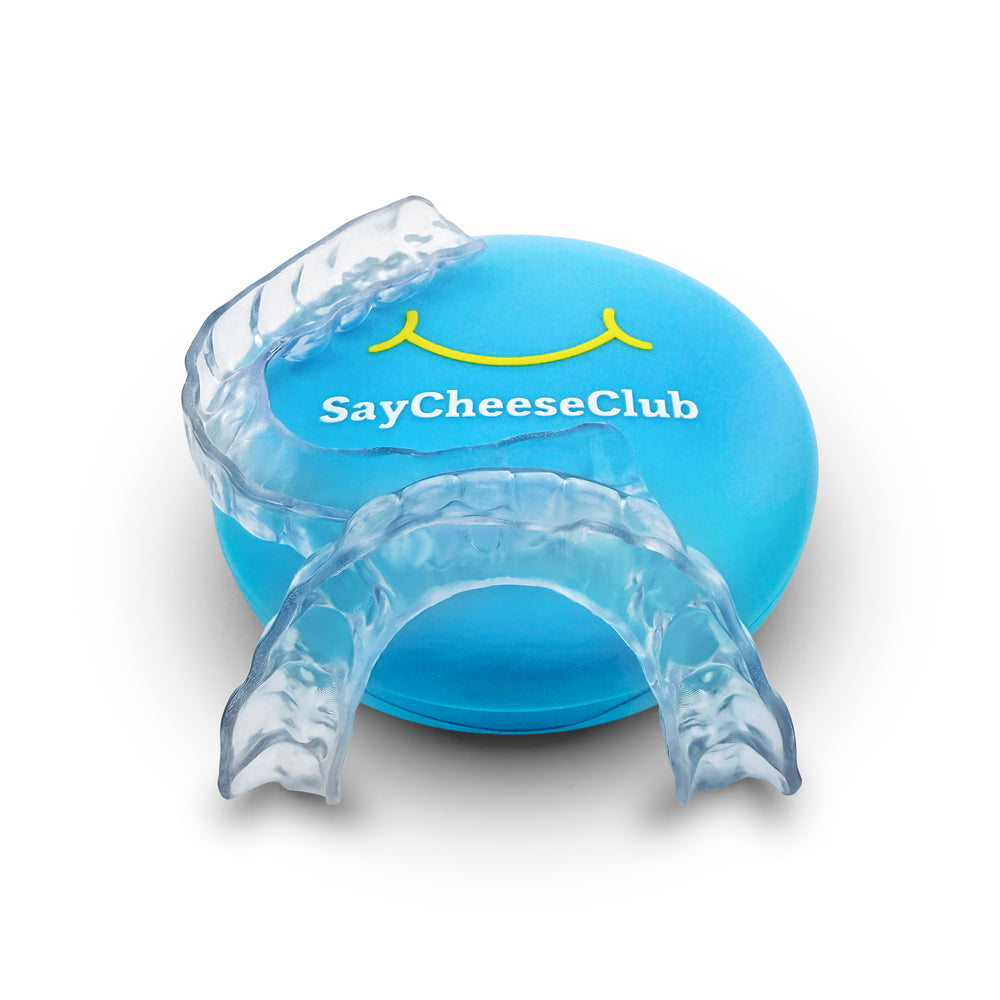
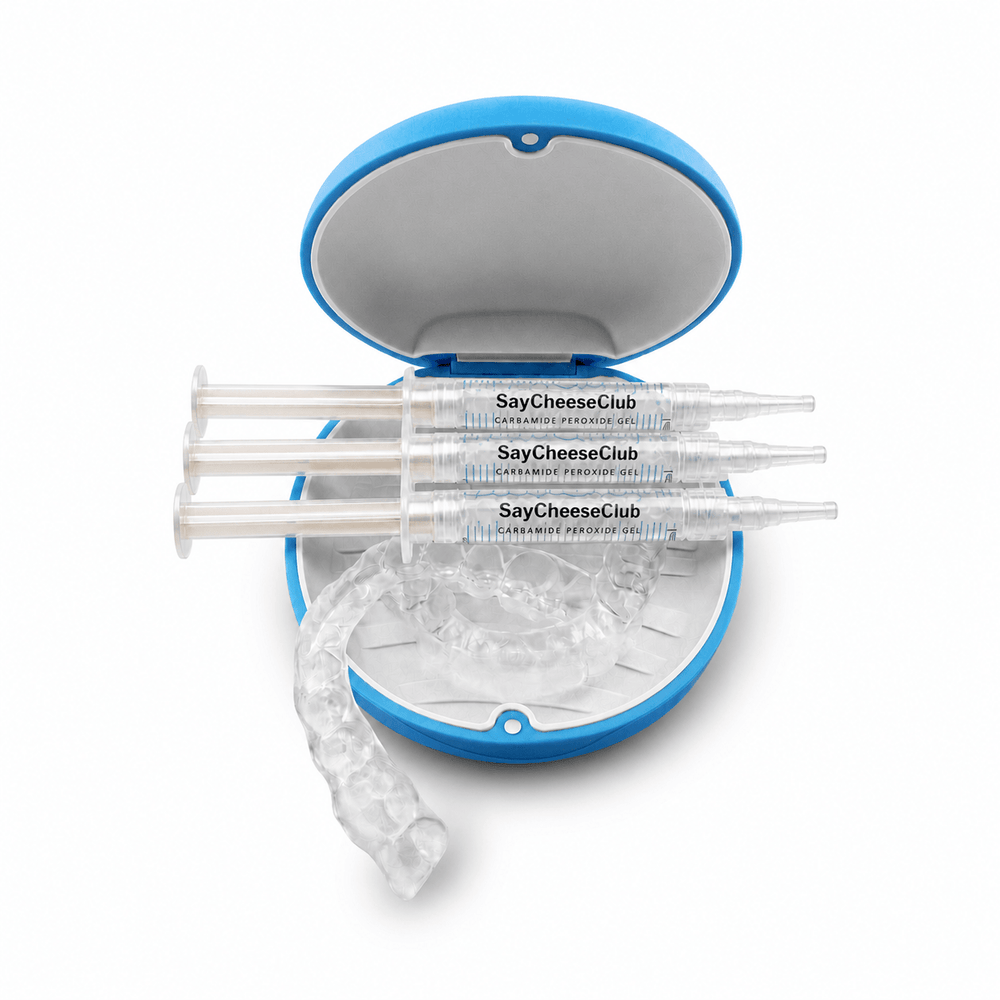
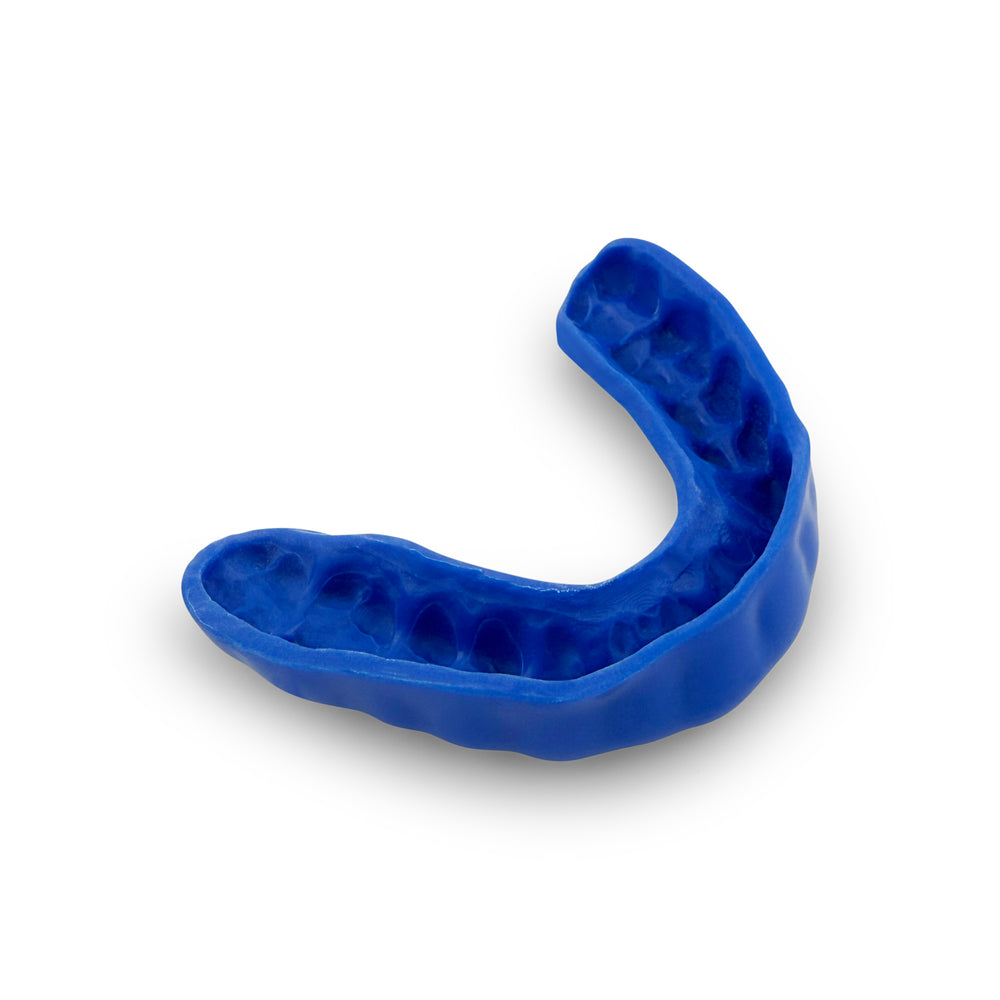
That is exactly where SayCheeseClub makes life easier. You make an impression at home, our lab crafts retainers molded to your exact teeth, and they ship to your door, no orthodontist visit required. Since most people need both the top and bottom held, the custom upper and lower retainer set is the straightforward way to get back on track. And if you are wondering what a replacement runs, our guide to how much clear retainers cost breaks down the real numbers so there are no surprises.
Retainer After Wisdom Teeth Removal FAQs
How long should I wait to wear my retainer after wisdom teeth removal?
It depends on your extraction and how you heal. Many people can resume gentle wear within a few days, while more complex removals may take one to two weeks. Wait until swelling and soreness have eased and your retainer no longer causes pain, and follow your oral surgeon's guidance.
Will my retainer still fit after wisdom teeth removal?
Usually, yes. Wisdom teeth sit behind the area most retainers cover, so removing them typically does not change the fit. Temporary swelling can make it feel snug for a few days, and that generally resolves as you heal.
What happens if I do not wear my retainer while I recover?
A short break of a few days is usually fine. Going longer risks your teeth shifting, which can make your retainer feel tight and eventually stop fitting. If that happens, you may need a new retainer, and moving your teeth back would require orthodontic treatment again.
Can wearing a retainer too soon cause problems?
It can. Putting a retainer in before the sites have started healing may irritate them and interfere with recovery. If wearing it causes sharp pain near the extraction sites, take it out and give yourself more time.
Do I need a different type of retainer after wisdom teeth removal?
Generally no. The same retainer you used before is usually fine once you have healed. If it no longer fits because your teeth shifted during recovery, a fresh set molded to your current teeth is the fix.
Does removing wisdom teeth change the alignment of my other teeth?
Wisdom teeth removal itself is not a reliable cause of front-tooth movement. What actually shifts your teeth is going without your retainer, which is why getting back to consistent wear after you heal is so important.
Shop Clear Retainers NowThe bottom line
Yes, you can wear a retainer after wisdom teeth removal. Give your mouth a short rest first, let the worst of the swelling pass, and then ease your retainer back into your routine as soon as it feels comfortable. Because your wisdom teeth sit behind the area your retainer covers, the fit usually stays the same, and the real key is simply not taking too long a break. Protect your recovery, then protect your smile.
Need a fresh set after your recovery? Get custom upper and lower retainers from SayCheeseClub molded from an at-home impression, shipped to your door, and priced to keep your smile on track.