That white, chalky coating on a retainer is usually a mix of plaque and calcium deposits, sometimes called tartar or calculus, that forms when minerals in your saliva harden onto plaque left on the surface Soaking your retainer daily in a cleaning solution, brushing it gently with a soft brush, and rinsing thoroughly helps prevent it from building up in the first place, and can soften newer deposits. Once buildup has fully hardened, though, home cleaning has real limits, and heavy calcified buildup often needs professional attention rather than more scrubbing at home. This is general information, not a clinical assessment, so if your retainer looks or smells off despite consistent cleaning, it's worth showing it to your dentist rather than guessing further.
If you've pulled your retainer out and noticed a crusty white film that wasn't there before, you're dealing with something pretty common, even if it looks a little alarming the first time you spot it.
What that white stuff actually is
It's not mold, and it's not a sign you're doing something drastically wrong. That white coating is typically calcium buildup, the same process behind tartar on your teeth. Plaque, a soft bacterial film, forms naturally on any surface sitting in your mouth, retainers included. If it isn't cleaned off regularly, minerals from your saliva, mostly calcium and phosphate, gradually deposit into that plaque and harden it into something a lot tougher to remove.
Retainers are especially prone to this because they sit against your teeth and gums for hours at a stretch, often overnight, in a warm, damp environment that's exactly the kind of setting where this process happens fastest.
Why it's so much harder to remove once it hardens
Fresh plaque wipes away easily. Hardened calcium deposits don't, and that's really the crux of the whole problem. Once minerals lock into that plaque layer, it stops behaving like a soft film and starts behaving more like a mineral deposit bonded to the surface, similar to hard water buildup on a faucet. A soft brush and mild soap can knock loose newer, less established buildup, but deposits that have had weeks or months to harden are a different story entirely.
Fresh plaque vs hardened buildup
Here's a simple way to think about the difference and what each stage actually responds to.
|
Stage |
What It Looks Like |
Responds Well To |
|
Fresh plaque |
Slightly cloudy or filmy, not yet chalky |
Daily rinsing, gentle brushing |
|
Early calcium buildup |
Light white haze, soft to slightly firm |
Regular tablet soaks, consistent cleaning |
|
Hardened tartar |
Thick, chalky, crusty white coating |
Limited at home, often needs professional removal |
The takeaway here is that timing matters. The earlier you address buildup, the better your chances of clearing it at home rather than needing help removing it later.
What actually helps at home
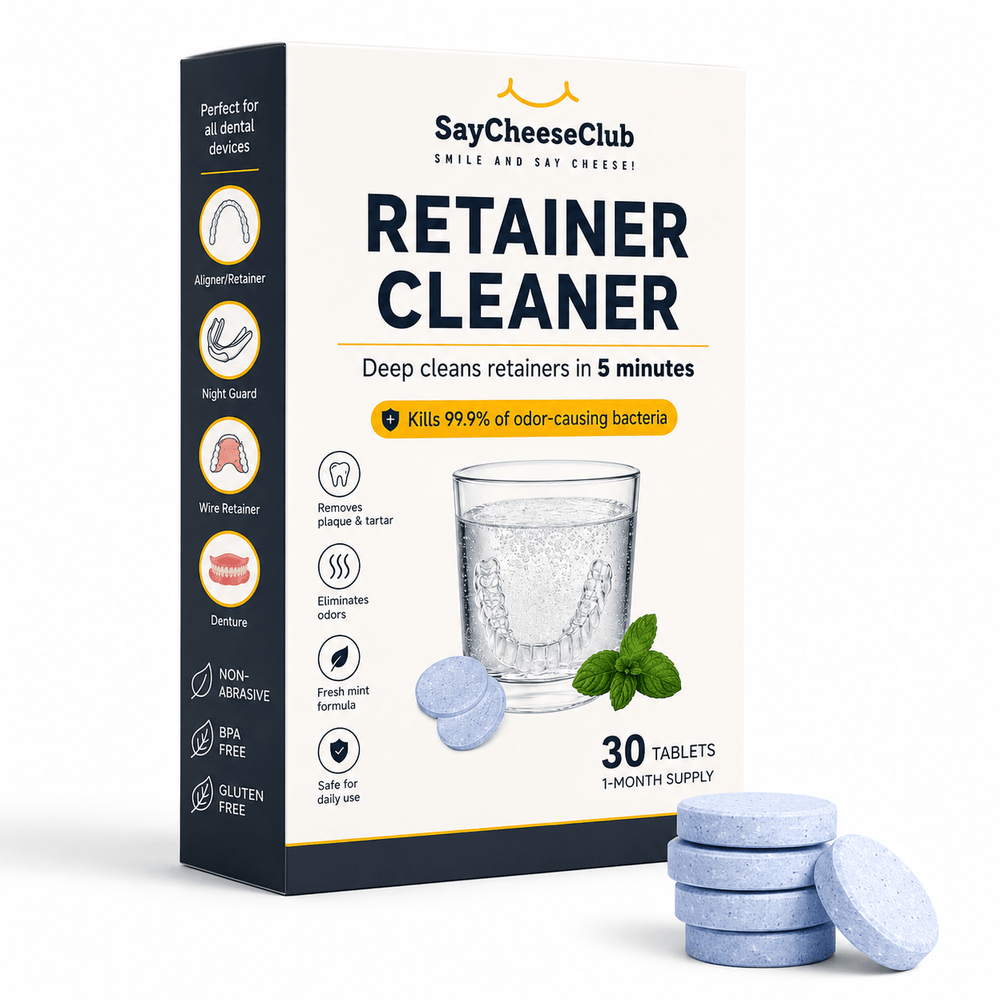
A daily rinse under cool water clears away the loose stuff before it has a chance to sit and harden. A soft toothbrush and a small amount of mild, unscented soap can gently work on the surface without scratching the material, which matters since scratches actually give future buildup more surface area to grip onto. Soaking in a cleaning solution a few times a week adds a chemical component that plain water and brushing alone can't fully match, since the fizzing action reaches into small grooves a brush tends to miss.
A diluted white vinegar soak is a commonly mentioned home method, and it can help soften lighter mineral buildup, though it's not a guaranteed fix for anything already fully hardened, and it shouldn't replace your regular cleaning routine.
When home cleaning genuinely isn't enough
If you've been consistent with cleaning and that white coating still isn't budging, or if it's been building for a long stretch before you noticed, it may have hardened past the point home methods can realistically handle. At that stage, more scrubbing usually just risks scratching or damaging the retainer rather than actually clearing the deposit. This is worth mentioning to your dentist, since they have tools that can safely remove hardened buildup that's simply out of reach for at home care.
In some cases, if a retainer has heavy, longstanding buildup or visible wear alongside it, starting fresh with a new one is genuinely the more practical option. If you're weighing that route, our guide on what a transparent retainer typically costs online walks through what to expect price wise if replacement ends up being the better call.
It's also worth being honest with yourself about timelines here. If a retainer has been sitting with visible buildup for months rather than weeks, that's usually a sign the deposit has moved well past what a home soak can undo, and pushing harder at it at that point tends to do more harm than good.
Preventing buildup from coming back
Staying ahead of buildup is a lot easier than dealing with it after the fact. Rinsing your retainer every time you take it out, brushing it gently a few times a week, and soaking it regularly all work together to keep minerals from ever getting the chance to harden in the first place. Avoiding hot water matters here too, since heat doesn't just risk warping the material, it can also make mineral deposits bond even more stubbornly.
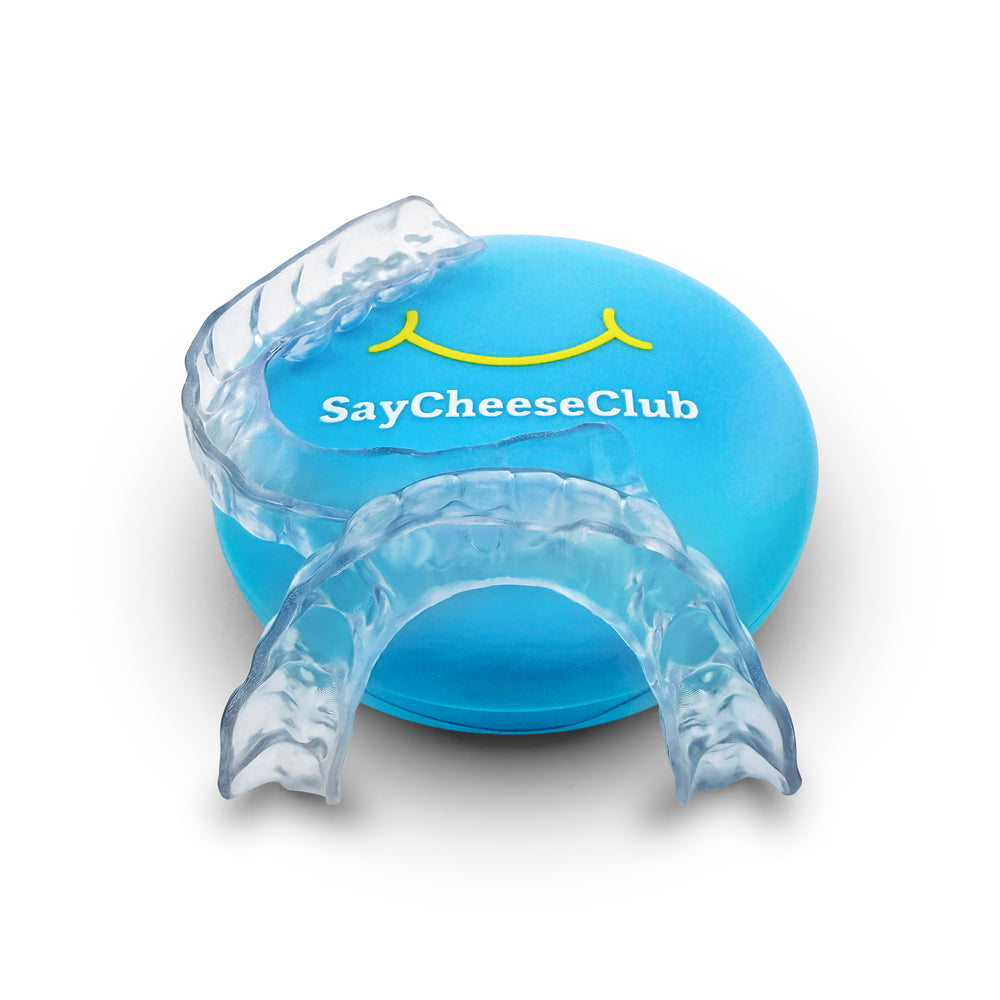
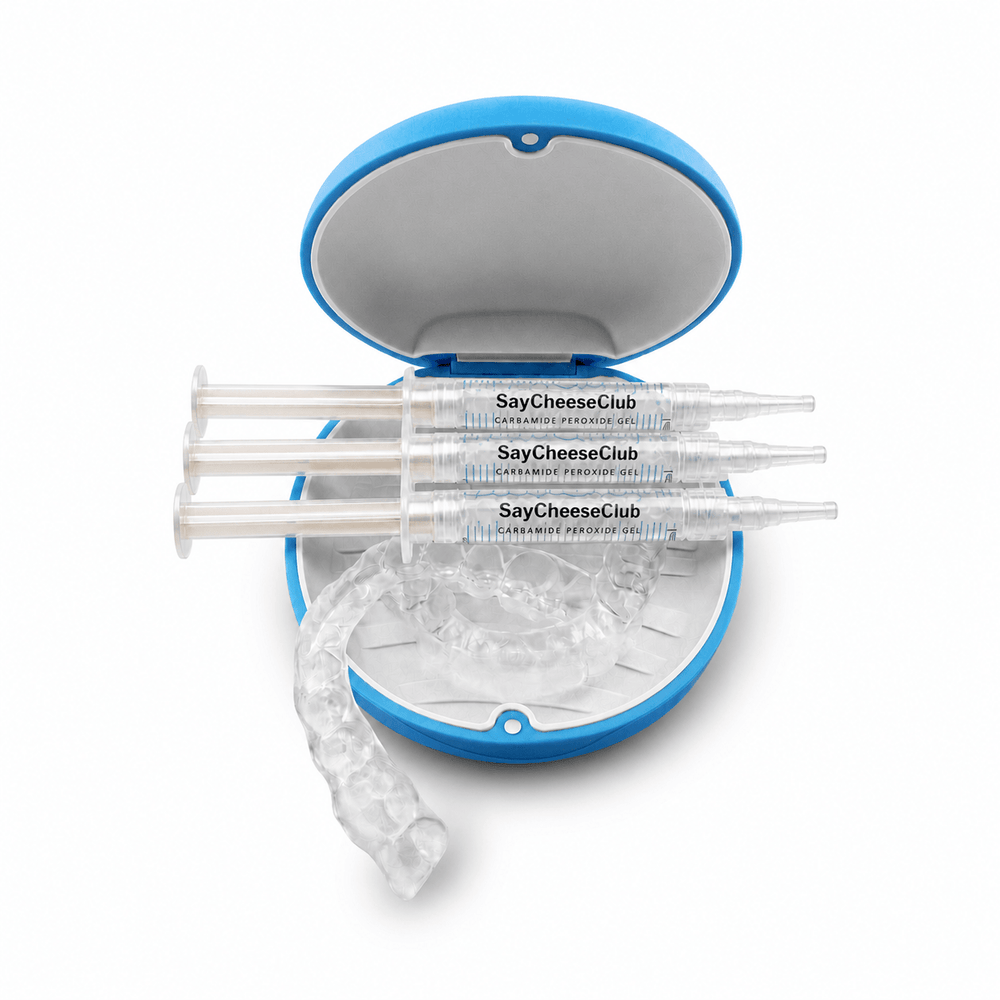
If your current retainer already has visible buildup or damage that's affecting the fit, an upper and lower retainer set gives you a fresh, comfortable, custom fit for both arches to start that prevention routine off clean. Keeping up with flossing generally also plays a role here, since less plaque in your mouth overall means less material available to transfer onto your retainer in the first place. Plackers Micro Line Floss Picks are worth keeping around if flossing has never quite stuck as a daily habit for you, since a quick pick style flosser lowers the barrier to actually doing it consistently.
How to Get White Buildup off a Retainer FAQs
Is the white stuff on my retainer dangerous?
It's not an emergency, but it isn't something to ignore either. Left long enough, buildup can contribute to bad breath, gum irritation, and a generally less sanitary retainer, so it's worth addressing rather than leaving indefinitely.
Will vinegar remove hardened tartar from a retainer?
It can help soften lighter, newer buildup, but it isn't a reliable fix for fully hardened deposits. Once buildup has calcified significantly, professional removal is usually more effective than continued at home soaking.
How often should I clean my retainer to prevent buildup?
A daily rinse combined with a cleaning solution soak two to three times a week is generally enough to keep buildup from taking hold for most people. If you notice it forming faster than that, a daily soak is reasonable too.
Can scrubbing hard actually damage my retainer?
Yes. Aggressive scrubbing, especially with anything abrasive like regular toothpaste, can scratch the surface, and those scratches give future plaque and buildup even more places to grip onto going forward.
The bottom line
That chalky white coating on your retainer is almost always calcium buildup layered over plaque, not something to panic about, but not something to ignore either. Staying consistent with rinsing, brushing, and regular soaking keeps it from taking hold in the first place, and catching it early gives you a real shot at clearing it at home. Once it's fully hardened, though, a dentist visit, or in some cases a fresh retainer, is the more realistic path forward.
Ready for a clean start with a comfortable, custom fit retainer? Order your upper and lower retainer set today and keep your smile protected with a retainer that's easy to care for from day one.