Most night guard side effects are common, mild, and temporary. In the first week or two, it is normal to notice jaw soreness or tiredness, extra saliva or a slightly dry mouth, mild tooth or gum tenderness, and a bit of a gag reflex, all of which usually fade as your mouth adjusts. What is unusual, and worth a dentist visit, is anything that persists or worsens: sharp or lasting jaw pain, a bite that feels permanently changed, teeth that seem to be shifting, gum sores or recession, or ongoing headaches. Nearly all of the serious side effects trace back to one thing, a poorly fitting guard, which is why a properly fitted, full-coverage custom guard prevents most of them.
If you have started wearing a night guard and noticed a few odd sensations, you are probably wondering what is normal and what is a warning sign. Fair question. The good news is that most side effects are just your mouth getting used to something new. Let us break down exactly what is common, what is unusual, and how to handle both.
The common side effects (usually nothing to worry about)
These are the ones almost everyone notices at first. They are your mouth reacting to a new object, and they typically settle down on their own.
- Jaw soreness or tiredness. Your jaw is adjusting to resting in a slightly new position, so it can feel a little stiff or achy in the morning for the first few nights.
- Extra saliva or drooling. Your body detects the guard as something foreign and responds by producing more saliva. It is very common early on and eases as you adapt.
- A slightly dry mouth. On the flip side, some people notice dryness instead, since the guard and any change in airflow can affect saliva flow overnight.
- Mild tooth or gum tenderness. The guard sits right up against your teeth and near your gums, so a little sensitivity at first is normal, especially if the fit is still settling.
- A brief gag reflex or feeling of fullness. A guard can feel bulky the first few times you put it in. This usually fades quickly, and a slim, well-fitted guard helps a lot.
- Taking a few nights to fall asleep. It is a new sensation, and your brain notices it. Most people stop registering the guard within a week.
The theme here is simple: mild and fading is normal.
How long do the common ones last?
For most people, these side effects clear up within a week or so, and often within just a few nights. Consistency actually speeds this up, because your jaw and mouth adapt faster when you wear the guard every night rather than on and off. Give it an honest week or two. If the discomfort is steadily shrinking, you are right on track.
The unusual side effects (worth acting on)
These are the ones that are not part of a normal adjustment. If any of these show up, or stick around, it is time to check the fit and talk to a dentist.
- Jaw pain that is sharp, severe, or getting worse instead of better over time.
- A bite that feels permanently different, where your teeth do not seem to meet the way they used to, even during the day.
- Teeth that feel like they are shifting. An ill-fitting or partial-coverage guard can put uneven pressure on your teeth and nudge them out of position, which is a long-term risk you should never have with a well-fitting guard.
- Gum sores, ulcers, or recession, or rough spots rubbing your gums, cheeks, or tongue raw.
- Persistent headaches, which can happen if a guard is too tight or presses unevenly.
- Worsening TMJ symptoms, like increased clicking, popping, or locking.
- Signs of an allergic reaction to the material, such as redness, itching, or swelling, which is rare but worth stopping for.
The pattern to remember: sharp, specific, spreading, or lasting means stop pushing through and get it checked.
Why most side effects come down to one thing: fit
Here is the part that ties it all together. The overwhelming majority of the serious night guard side effects, teeth shifting, bite changes, gum irritation, persistent pain, are caused by a guard that does not fit properly. A bulky, one-size-fits-all drugstore guard puts pressure where it should not, rubs where it should not, and never quite sits right.
A guard that is molded to your exact teeth and covers your full arch distributes pressure evenly, sits flush against your teeth without digging into your gums, and stays put all night. That is what prevents most of these problems before they start. If you want to know exactly what a good fit should feel like, our guide on how a night guard should fit walks through every sign to check.
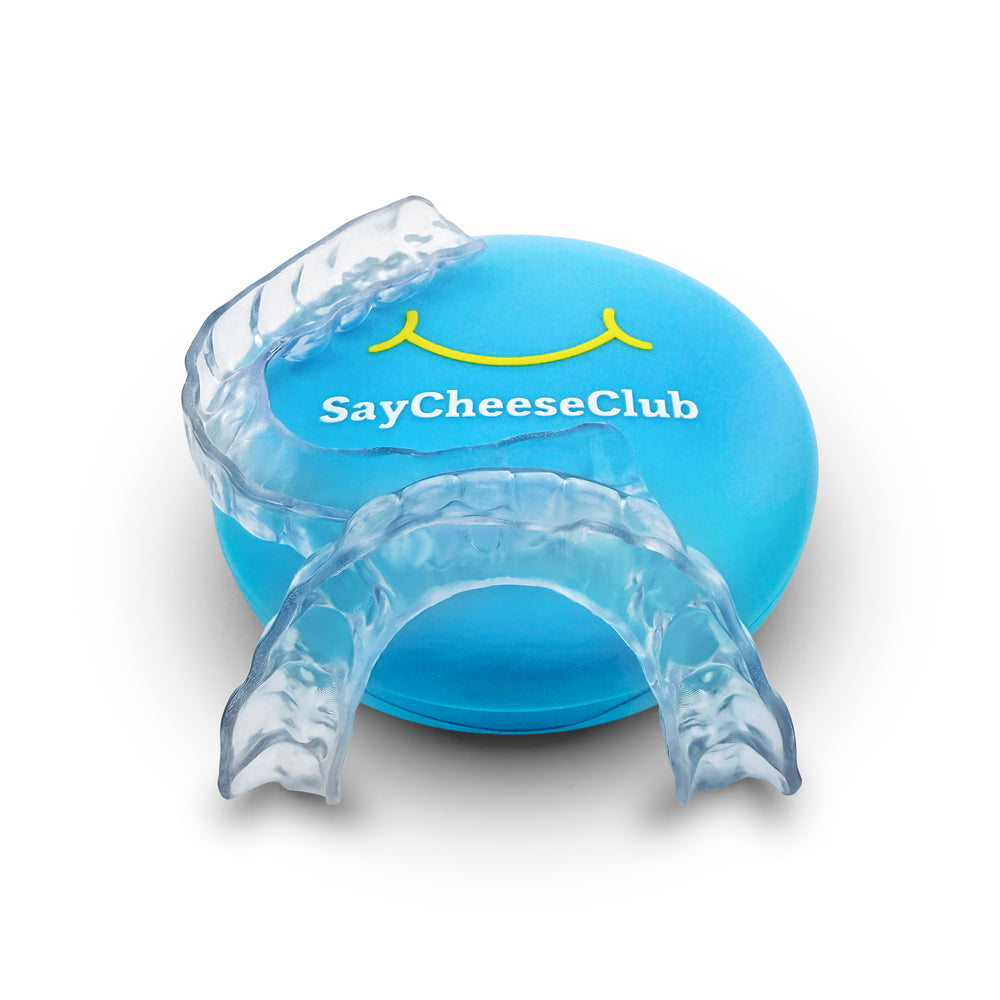
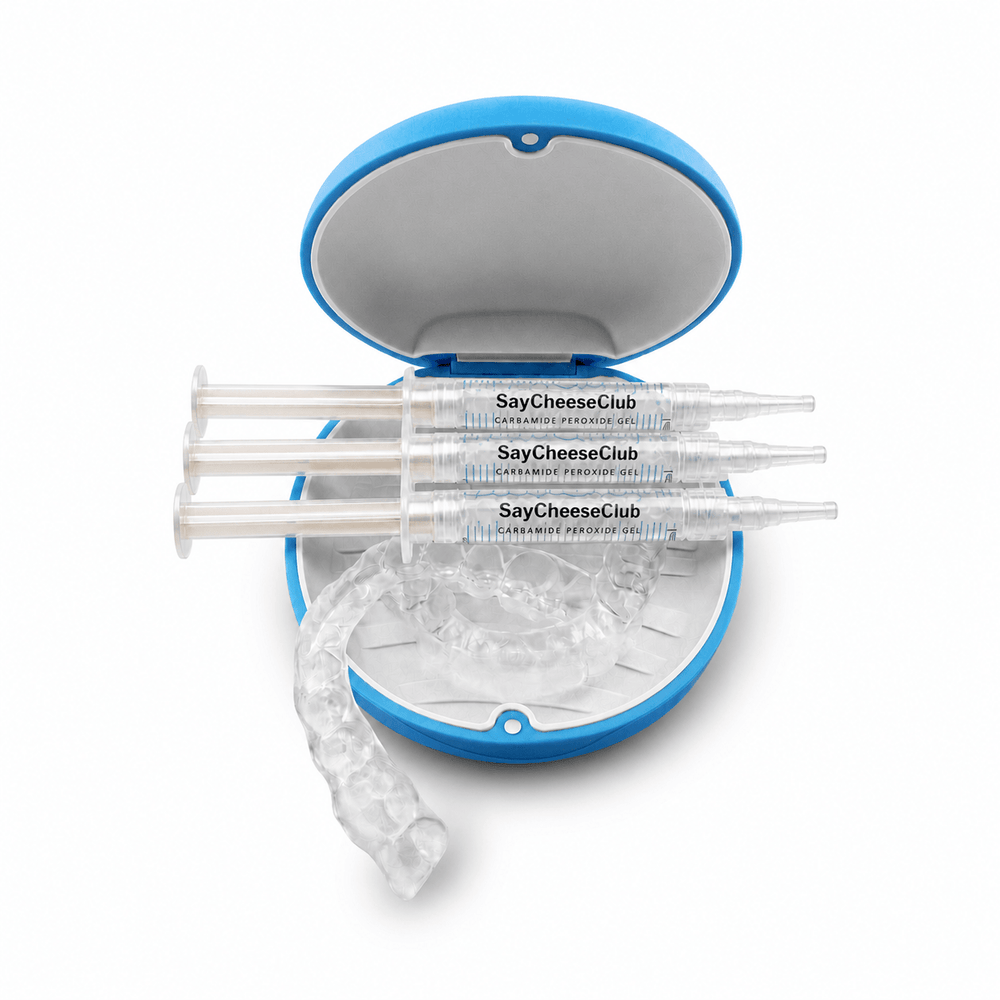
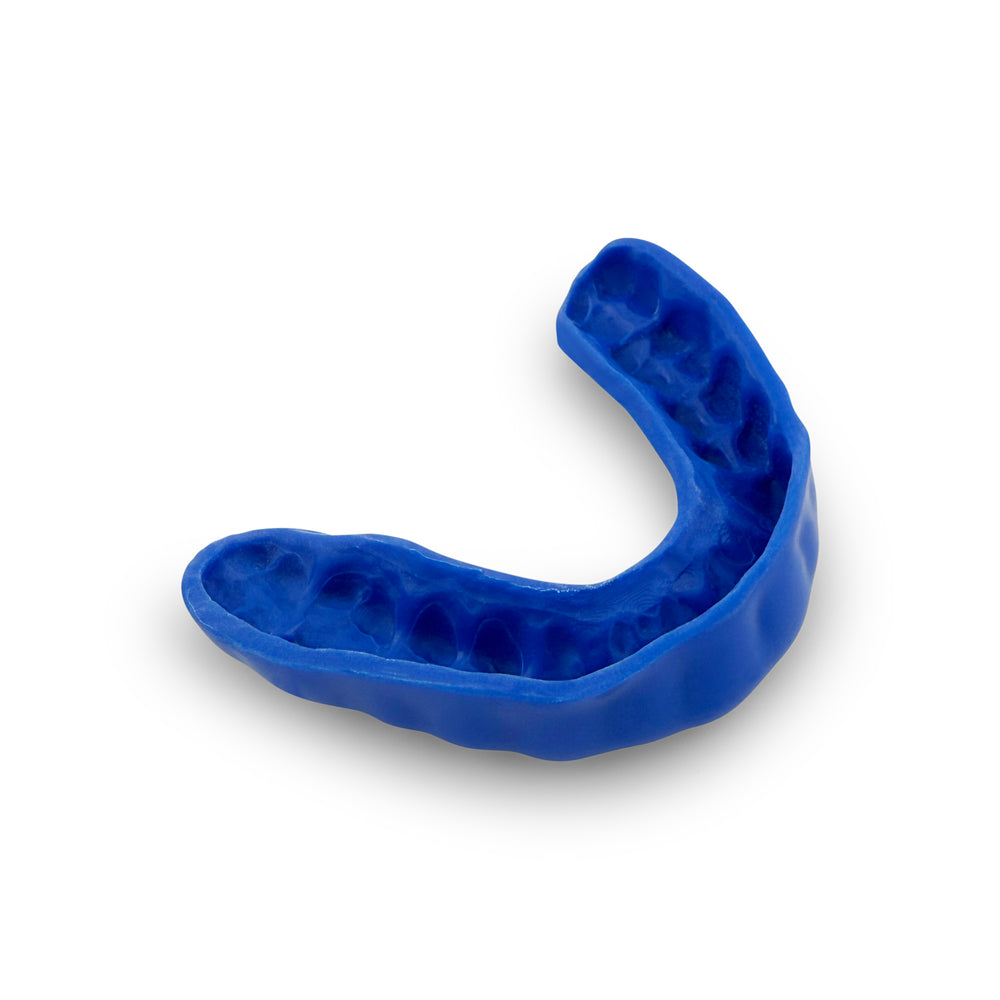
This is exactly why every SayCheeseClub night guard is custom and full-coverage, molded from an impression you take at home, so you get the kind of precise fit that keeps side effects to a minimum.
How to manage the common side effects
While your mouth adjusts, these simple steps make the first couple of weeks a lot easier:
- For jaw soreness: give it time, and try a warm compress on your jaw before bed to relax the muscles. If it is not improving after a week or two, check the fit.
- For extra saliva: it almost always passes as you adapt. A slim, well-fitted guard is far less likely to trigger it in the first place.
- For dry mouth: stay well hydrated before bed, skip caffeine and alcohol in the evening, and consider a bedroom humidifier. A dry-mouth oral rinse can also help, and brands like Biotène offer dry mouth products made specifically to relieve that sticky, parched feeling. Do not ignore ongoing dry mouth, since it can raise your risk of cavities and bad breath over time.
- For the gag reflex: a thinner, lower-profile guard usually solves it. Practice inserting it while relaxed and breathing through your nose.
- Keep it clean. A clean guard means fewer irritation and odor issues, so rinse it every morning and let it dry before storing.
Night Guard Side Effects FAQs
Are night guard side effects normal?
Mild ones usually are. Jaw soreness, extra saliva or dryness, and slight tenderness are common as your mouth adjusts, and they typically fade within a week or two. Side effects that are severe, worsening, or long-lasting are not normal and should be checked by a dentist.
How long do night guard side effects last?
For most people, the common side effects settle within a few nights to about two weeks. Wearing the guard consistently helps your jaw and mouth adapt faster. If discomfort is not fading in that window, have the fit evaluated.
Can a night guard change your bite or shift your teeth?
A well-fitting, full-coverage custom guard should not. Bite changes and shifting are usually linked to ill-fitting or partial-coverage guards that apply uneven pressure over time. If you notice your bite feeling different during the day, stop wearing it and see a dentist.
Why does my jaw hurt after wearing a night guard?
Early on, mild jaw soreness is normal as the muscles adjust to a slightly new resting position. If the pain is sharp, severe, or getting worse rather than better, it often points to a fit problem and is worth having checked.
Can night guards cause dry mouths?
Yes, some people notice dryness because a guard can affect saliva flow or airflow overnight. Staying hydrated, avoiding evening caffeine and alcohol, and using a dry-mouth rinse can help. Persistent dry mouth is worth addressing, since it can increase cavity risk.
Why do I drool or produce more saliva with a night guard?
Your body reads the guard as a foreign object and produces extra saliva in response. It is very common in the first few nights and almost always fades as you get used to it. A slimmer, well-fitted guard reduces it.
When should I see a dentist about night guard side effects?
See a dentist if you have persistent or worsening jaw pain, a bite that feels permanently altered, teeth that seem to be shifting, gum sores or recession, ongoing headaches, or any sign of an allergic reaction. These go beyond a normal adjustment.
The bottom line
Most night guard side effects are just your mouth settling in, mild, temporary, and gone within a week or two. The ones that matter, lasting pain, bite changes, shifting teeth, or gum damage, almost always come back to a poor fit, which is exactly why a custom, full-coverage guard is worth it. Give yourself a short adjustment period, manage the small stuff, and if anything feels sharp or lasting, get the fit checked rather than pushing through.
Protect your smile with a custom SayCheeseClub night guard full coverage, molded to your teeth, and built to fit comfortably enough that side effects stay minimal.