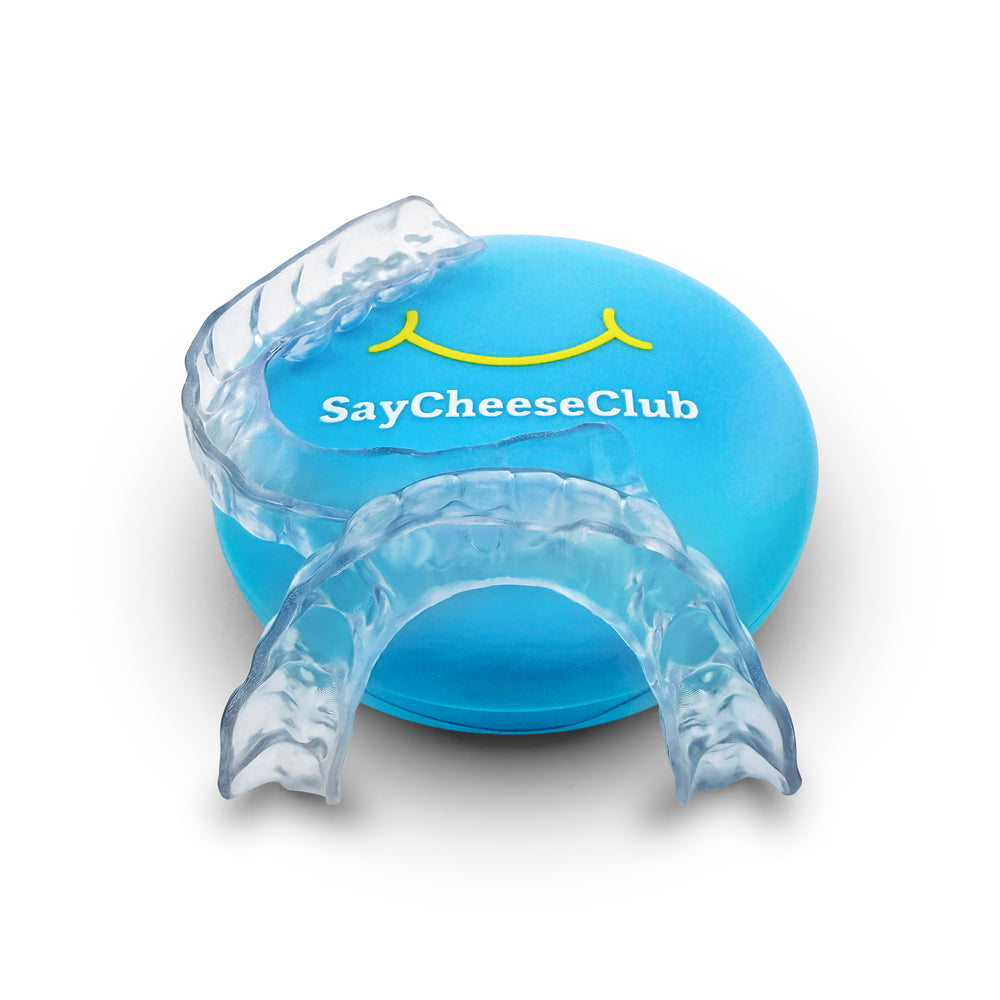
Anight guard should fit snugly enough to stay in place on its own, without pressure, pain, or contact with your gums. When it is seated correctly, it holds firmly when you gently tug it, covers every tooth on the arch, and stops just short of the gumline, which is intentional and prevents irritation. Your bite should feel balanced with even contact on both sides, and your lips should close comfortably. A short adjustment period of roughly three to five nights is normal, along with slightly increased saliva. A guard that slides, falls out, feels painfully tight, or leaves your teeth sore hours after removal does not fit correctly.
That is the standard to measure yours against. Below is how to check each of those points, what is normal during the break-in period, and the warning signs that mean the fit needs attention.
What a properly fitting night guard feels like
Fit is the single biggest factor in whether a night guard actually protects your teeth, because a guard that is uncomfortable is a guard you will stop wearing. Here is what "right" looks like.
It stays put on its own. Once seated, it should hold position without you biting down or using your tongue to keep it there. Give it a gentle wiggle with your finger. It should resist, not slide.
It is snug, not tight. There is a meaningful difference. Snug means secure and stable. Tight means pressure, soreness, or a struggle to remove it. A night guard should feel more secure than a drugstore guard but never as forceful as an appliance designed to move teeth, such as braces or aligners.
It stops short of your gums. This surprises a lot of people. A well-made guard covers roughly halfway up or down the teeth and does not extend onto the gum tissue. That small gap at the front is deliberate, because a guard pressing into your gums causes rubbing, soreness, and inflammation.
Your bite feels even. When you close, contact should feel balanced across both sides. If one side hits first or a single spot feels high, the bite is uneven and worth correcting.
Your lips close comfortably. With the guard in and your face relaxed, your lips should meet naturally. If your mouth feels propped open or you have to force your lips together, the guard is too bulky.
It covers the full arch. Every tooth in that row should be covered. Partial coverage leaves uncovered teeth free to shift while the covered ones stay put.
What is normal during the break-in period
Almost everyone notices their guard for the first few nights. That does not mean it fits badly. These experiences are typical:
- Mild awareness or slight pressure for the first three to five nights, sometimes up to two weeks
- Extra saliva. Your mouth reads the guard as something new and responds accordingly. It settles quickly.
- Your tongue exploring it. Perfectly normal, and it fades once the novelty wears off.
- A brief odd sensation in your bite on waking, which typically clears within minutes to an hour or two
The rule of thumb: mild and improving is normal. Painful or worsening is not.
Signs your night guard does not fit correctly
Too loose
- It shifts, rocks, or slides on your teeth
- It falls out during the night
- You need your tongue or opposite teeth to hold it in place
- Only some of your teeth make contact with it
A loose guard is not harmless. Movement through the night can irritate soft tissue and leaves your protection inconsistent.
Too tight
- It is difficult to remove in the morning
- Your teeth feel sore or tender after you take it out
- You feel steady pressure rather than simple snugness
- It causes pain at any point
Fit problems worth acting on
Fit problems worth acting on
- Soreness that persists beyond about a week rather than easing
- A bite that still feels off well into the day
- Cuts or ongoing irritation on your gums, cheeks, or tongue
- Grinding symptoms that are not improving after consistent use
Persistent jaw pain deserves professional attention regardless of your guard. The Mayo Clinic recommends seeing a dentist or doctor about ongoing jaw pain, headaches, or worn teeth, since these can point to bruxism or a related jaw disorder. Their overview of bruxism symptoms and causes is a useful reference for what to raise at your appointment.
Why custom guards fit better than store-bought
This is where most fit complaints originate. A boil-and-bite guard from a pharmacy is molded by biting into softened plastic, which captures only a rough outline of your teeth. The result is typically bulky, uneven in thickness, and prone to loosening as the material relaxes.
A custom guard is made from a full impression of your teeth and fabricated in a dental lab, so the inside surface matches your anatomy precisely. That precision is what allows it to stay put without being tight, and to be thin enough that you can close your lips normally.
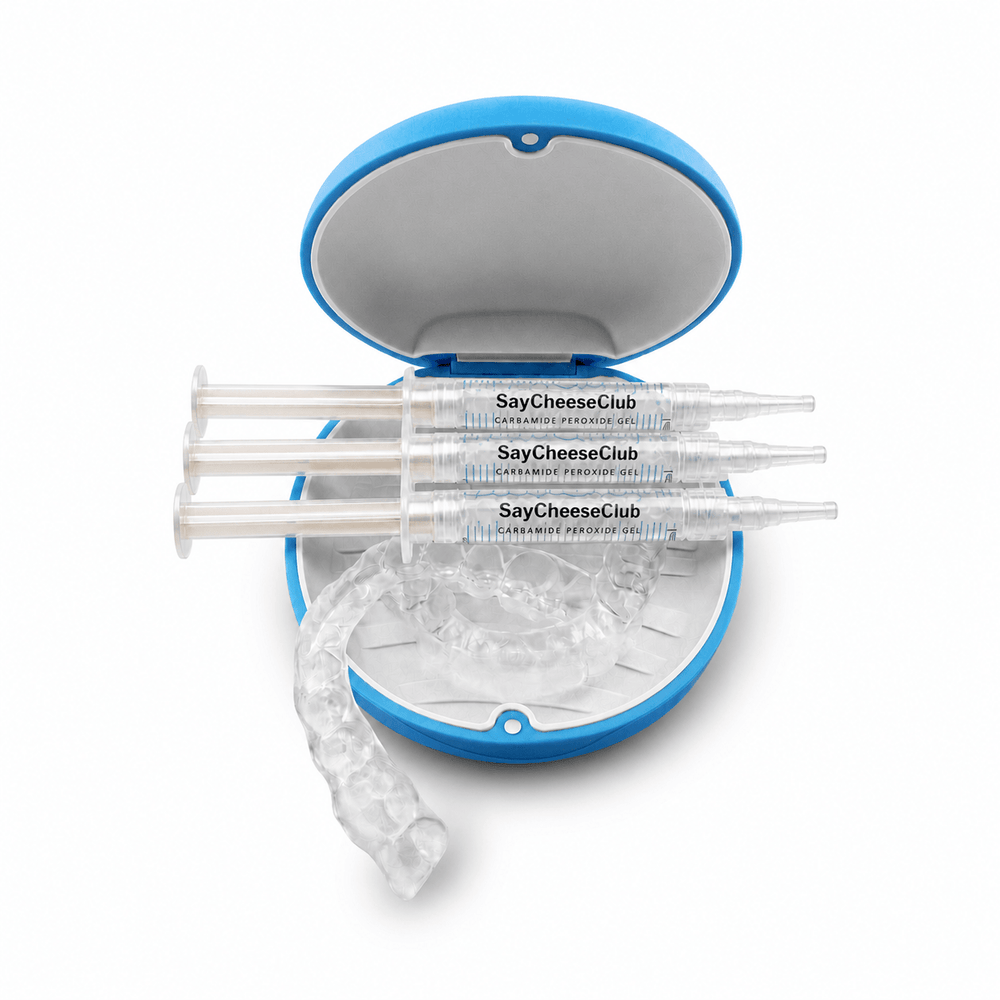
Every SayCheeseClub night guard is built from an impression you take at home, which is why the fit is closer to a dentist-made guard than to anything you would find on a drugstore shelf.
How to get an accurate impression at home
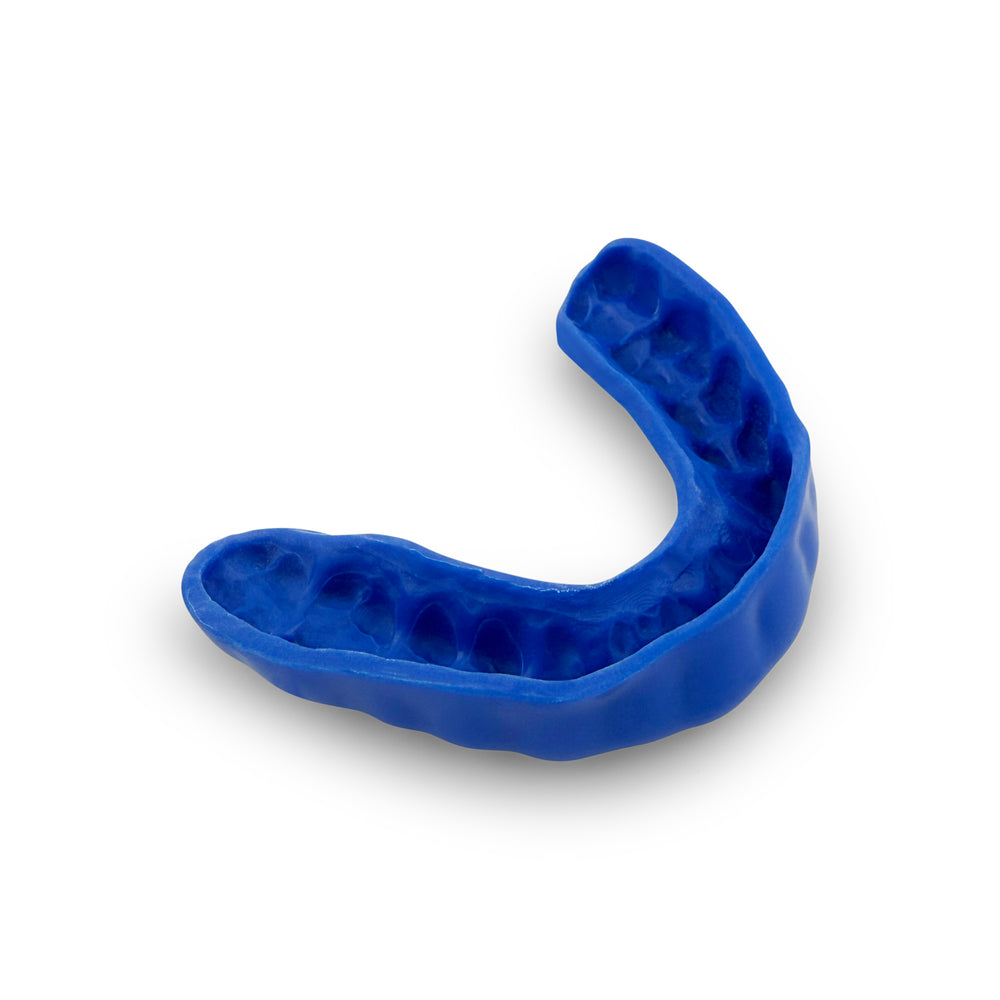
Since fit depends almost entirely on impression quality, this step deserves your full attention:
- Read the instructions completely before you start. Do not improvise the timing.
- Mix and seat the putty without rushing. An even, well-seated bite captures far more detail.
- Check your impression before returning it. You should see clear, defined tooth shapes, including the back molars.
- Redo it if it looks shallow or smudged. A few extra minutes now prevents a poor fit later.
Good impression in, well-fitting guard out. It really is that direct.
Still not sure you need one?
If you are reading this because you suspect grinding but have not confirmed it, start with the symptoms rather than the fit. Our guide to the signs you may need a night guard covers what to look for, from morning jaw soreness to worn or chipped teeth.
Shop Night Guards NowNight Guard Fit FAQs
Should a night guard be tight or loose?
Neither extreme. It should be snug, meaning it stays in place on its own without pressure or pain. A loose guard slides and protects inconsistently, while a tight guard causes soreness and can be difficult to remove.
How long does it take to get used to a night guard?
Most people adjust within three to five nights, though it can take up to about two weeks. Mild awareness and extra saliva are normal early on and should steadily decrease.
Why does my night guard hurt my teeth?
Brief mild sensitivity during the first few nights can be normal as you adapt. Ongoing pain usually points to a guard that is too tight, an uneven bite with a high contact point, or an inaccurate impression. Pain that persists past a week should be addressed rather than tolerated.
Should a night guard cover my gums?
No. A properly made guard covers your teeth and stops just short of the gumline, usually extending about halfway up or down the teeth. Contact with gum tissue causes irritation and soreness.
Can a night guard be too big?
Yes. If your mouth feels propped open, your lips will not close comfortably, or the guard feels bulky and unstable, it is too large for your arch and needs to be remade or adjusted.
How do I know if my night guard fits properly?
Check four things: it stays put without you holding it, it does not touch your gums, your bite feels even on both sides, and your lips close comfortably. If all four are true and any initial soreness fades within the first week, the fit is right.
Can a night guard change my bite?
A well-fitting, full-coverage guard is designed to keep your bite stable. A momentary odd sensation on waking is normal and fades quickly. A bite that feels altered throughout the day is not, and should be evaluated.
The bottom line
A night guard fits correctly when it feels secure but not forceful, stays in place on its own, avoids your gums, and lets your bite close evenly. Give yourself a few nights to adjust, and pay attention to whether discomfort is fading or building. Fading is normal. Building means the fit needs a second look.
Get a custom night guard molded to your teeth from SayCheeseClub full coverage, precision fit from an at-home impression, and comfortable enough to wear every night.