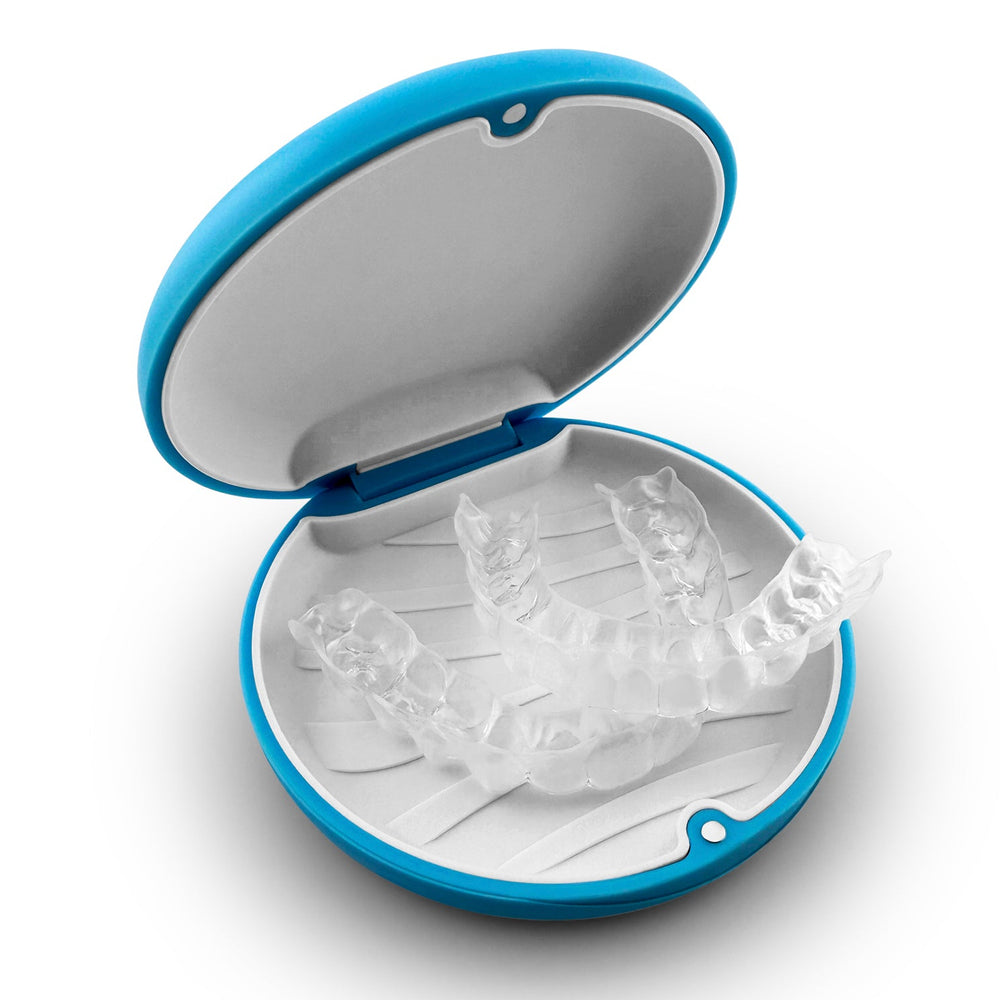
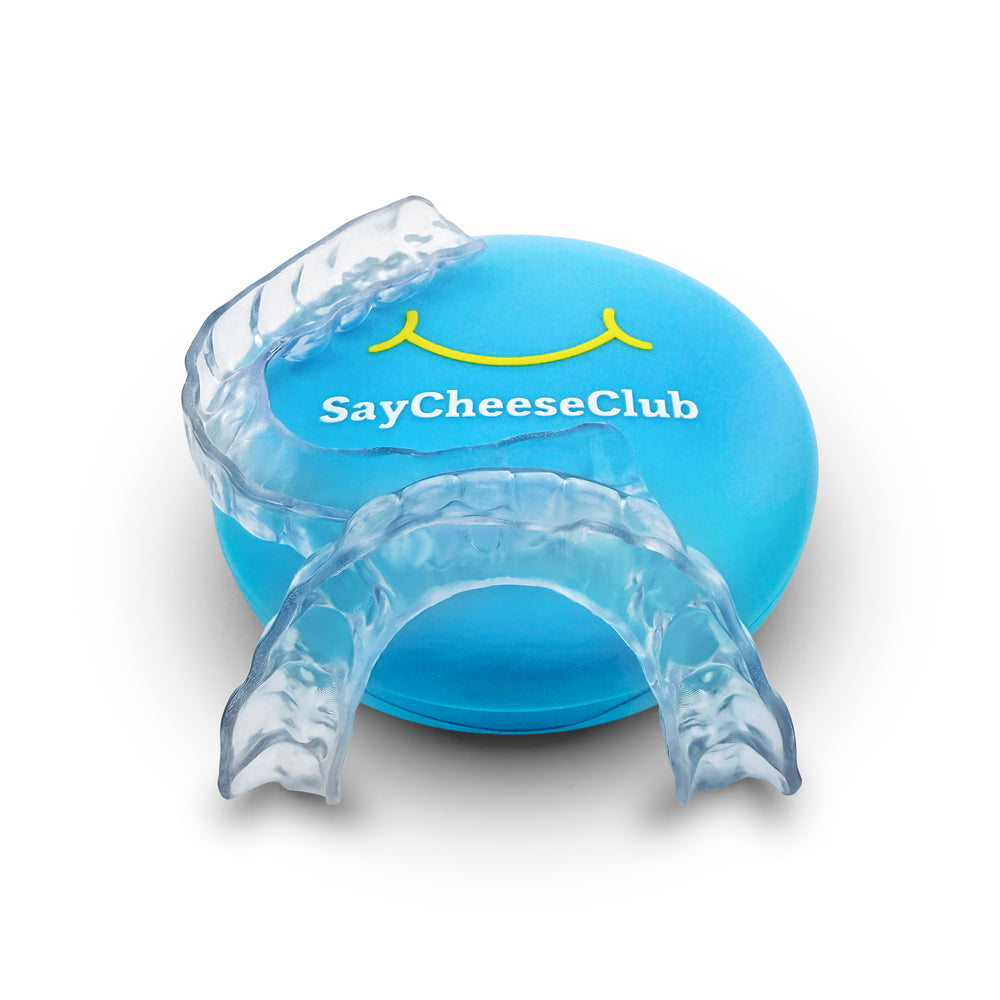
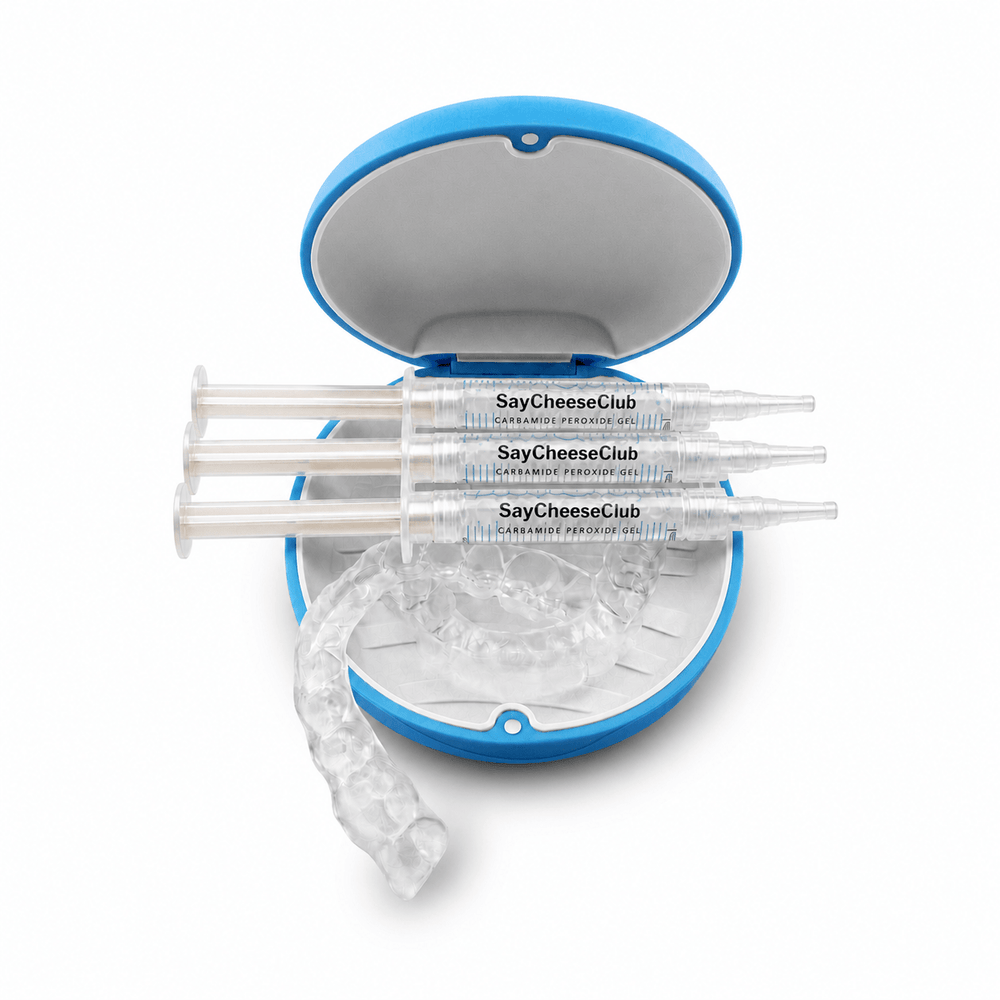
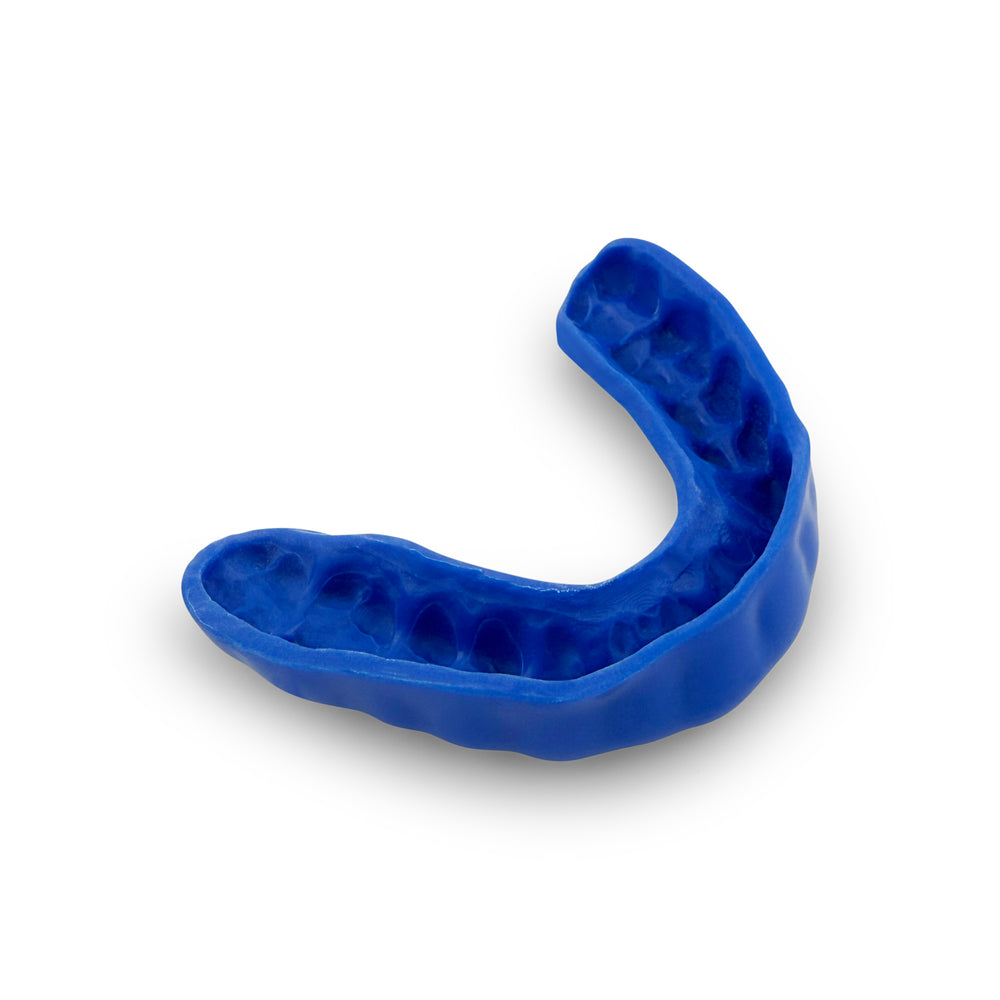
Teeth look translucent, especially near the biting edges, when the outer enamel layer thins enough to let the darker dentin layer underneath show through. This most commonly happens from acid erosion caused by diet, from natural enamel thinning with age, or from repeated wear due to teeth grinding, which gradually flattens and thins the edges of your teeth over time. Once enamel wears away, it does not grow back on its own, which is why prevention matters more than trying to reverse existing translucency. Addressing the underlying cause, whether that means dietary changes, a fluoride based remineralizing product, or a night guard for grinding, is what actually slows further thinning.
If you have noticed the edges of your front teeth starting to look a little see through, you are not imagining it, and you are also not alone. Let us go through exactly what causes this and what genuinely helps.
What translucent teeth actually mean
Your teeth are made up of a hard outer layer of enamel and a softer, more yellow or gray layer called dentin underneath. Enamel is naturally somewhat translucent on its own, but it is thick enough in a healthy tooth to mostly mask the dentin below it. When enamel thins, especially at the biting edges of your front teeth where it is naturally thinner to begin with, more light passes through and the tooth starts to look glassy or see through in that area.
This is a structural and cosmetic change rather than a sign of decay by itself, though the underlying causes are worth addressing since enamel loss is permanent and can affect both appearance and tooth sensitivity over time.
Cause number one: acid erosion from diet
Frequent exposure to acidic foods and drinks, including citrus fruits, soda, wine, and sports drinks, gradually softens and wears down enamel. Unlike cavities, which form from bacteria feeding on sugar, acid erosion is a direct chemical process that thins enamel evenly across exposed surfaces, often starting right at those thin biting edges. Frequent snacking or sipping on acidic drinks throughout the day, rather than occasional exposure, tends to cause more noticeable erosion over time.
Cause number two: teeth grinding and wear
Teeth grinding, known as bruxism, applies repeated mechanical pressure that physically wears down enamel over months and years, often concentrated right at the edges of your front teeth. This kind of wear tends to progress faster than acid erosion alone, since it involves direct physical friction between opposing teeth, often for hours every night without you realizing it is happening.
This is one of the most common and most preventable causes of translucent edges, since a properly fitted night guard can stop grinding related wear from progressing further, protecting whatever enamel you have left. Our guide on the best custom night guard for teeth grinding walks through what to look for if grinding is a factor for you.
Cause number three: aging and natural enamel thinning
Enamel naturally thins somewhat with age, simply from decades of normal chewing, brushing, and everyday wear. This is a slower, more gradual process than acid erosion or grinding, but it means some degree of translucency at the edges of your teeth becomes more common as you get older, even without any specific damaging habit.
Cause number four: genetics and enamel development
Some people are simply born with thinner or less densely mineralized enamel due to genetic factors or developmental conditions that affected how their enamel formed. In these cases, translucency can appear earlier in life and is less directly tied to diet or grinding habits, though the same erosion and wear risks still apply on top of a naturally thinner starting point.
Causes at a glance
Here is how the main causes compare.
|
Cause |
What's Happening |
Who It Affects Most |
What Helps |
|
Acid erosion |
Acidic foods and drinks chemically soften enamel |
Frequent consumers of acidic foods and drinks |
Reducing frequency, rinsing after exposure |
|
Teeth grinding |
Mechanical wear from repeated pressure at night |
People with an active grinding or clenching habit |
A properly fitted night guard |
|
Natural aging |
Gradual thinning from decades of normal use |
Older adults |
Good general oral hygiene, monitoring over time |
|
Genetics |
Naturally thinner or less mineralized enamel |
People with a genetic or developmental predisposition |
Extra preventive care from an early age |
The takeaway is simple. Most causes of translucent teeth come down to enamel thinning from one of a few specific sources, and identifying which one applies to you is the first step toward actually addressing it.
Prevention tips that actually make a difference
Since enamel does not regenerate once it is gone, prevention matters more here than almost anywhere else in dental care. Limiting frequent exposure to acidic foods and drinks, rinsing with water after consuming them rather than brushing right away, and using a straw for acidic beverages can all reduce ongoing acid related wear. If grinding is a factor, addressing it directly with a night guard prevents further mechanical wear far more effectively than any topical product alone.
Routine dental checkups also matter here, since your dentist can often spot early enamel thinning before it becomes noticeably translucent, giving you a chance to adjust habits before the wear progresses further.
What you can actually do about existing translucency
Once enamel has thinned, the goal shifts from prevention to slowing further loss and supporting whatever enamel remains. A fluoride based remineralizing product can help reinforce weakened enamel and support the natural remineralization process your saliva already performs. ACT Restoring Anticavity Fluoride Mouthwash is one option formulated specifically to help remineralize soft spots and strengthen enamel with regular use.
If grinding is contributing to your translucent edges, stopping that ongoing wear is the most direct thing you can do. A properly fitted night guard protects your existing enamel from further mechanical wear during sleep, which matters far more for long term results than any product used while you are awake, since grinding related wear happens overnight without you noticing.
Translucent Teeth FAQs
Is it bad if my teeth look translucent at the edges?
It is not dangerous on its own, but it does indicate enamel thinning, which is permanent and worth addressing at the source. Left unaddressed, the underlying cause, whether acid erosion or grinding, can continue thinning enamel further over time.
Can translucent teeth be reversed?
Not directly, since enamel does not regenerate once it is lost. Fluoride based products can support remineralization of weakened areas, but they cannot restore enamel that has already worn away completely.
Does teeth grinding really cause translucent edges?
Yes, teeth grinding is one of the most common causes, since it applies repeated mechanical pressure that wears down enamel, often concentrated right at the biting edges of your front teeth over months and years.
How can I tell if grinding is the cause of my translucent teeth?
Signs of grinding include jaw soreness or headaches upon waking, flattened or worn looking edges on your teeth, and sometimes a partner noticing grinding sounds at night. A dentist can also usually confirm grinding related wear during a routine exam.
The bottom line
Translucent teeth almost always come down to thinning enamel, whether from acid erosion, grinding, aging, or genetics. Since enamel does not grow back, prevention and addressing the specific cause matter more than trying to reverse existing wear. If grinding is playing a role, a properly fitted night guard is one of the most effective ways to stop that particular source of damage in its tracks.
Think grinding might be behind your translucent teeth? Protecting your enamel starts with stopping the wear at its source. Shop the SayCheeseClub night guard today and give your teeth the nightly protection they need.