Maybe your dentist mentioned it. Maybe your partner says you sound like a coffee grinder at 3 a.m. Or maybe you keep waking up with a sore jaw and a headache and you have no idea why. However you got here, you've landed on the same question: what exactly is a night guard, and do I actually need one?
Good news. This is the simple, no-jargon rundown. By the end you'll know what a night guard is, what it does, who it's for, and how to tell if it's worth it for you.
So, What Is a Night Guard?
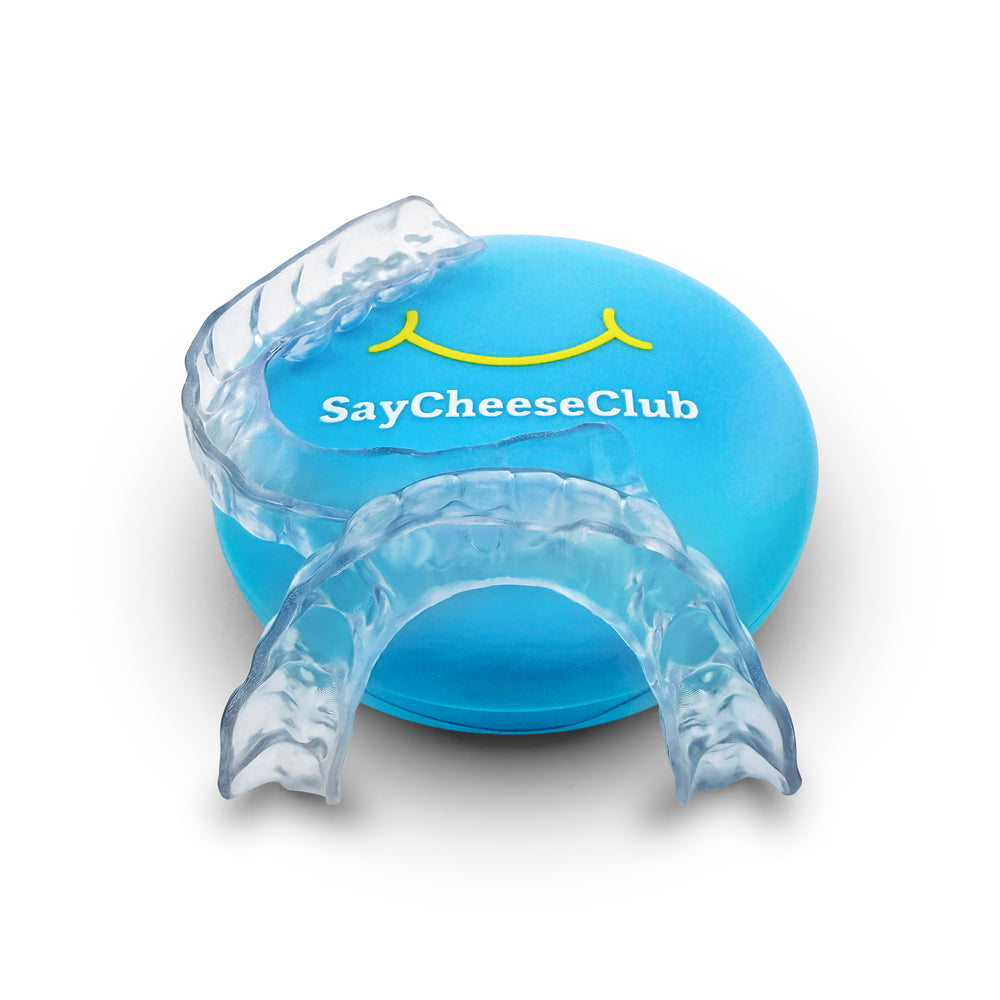
A night guard is a thin, custom-fitted piece of dental material you wear over your teeth while you sleep. Think of it as a protective barrier that sits between your upper and lower teeth so they're not grinding directly against each other all night.
That's really the whole idea. If you clench or grind in your sleep (a condition called bruxism), your teeth take a beating you never feel because you're unconscious for it. A night guard absorbs that force so your enamel, fillings, and jaw don't have to.
It's a small thing that quietly prevents some genuinely expensive and painful problems down the road.
How Does a Night Guard Actually Work?
When you grind or clench, your jaw can generate a surprising amount of pressure, far more than you ever use while chewing. Over months and years, that pressure wears your teeth down, cracks them, loosens fillings, and leaves your jaw muscles tight and sore.
A night guard works by doing two things:
- It cushions the force. Instead of tooth hitting tooth, the guard takes the hit and spreads the pressure out evenly.
- It creates a smooth surface. Your teeth glide over the guard instead of locking and grinding, which eases the strain on your jaw.
It won't stop you from clenching (that's usually tied to stress, sleep, or bite issues), but it protects your teeth from the damage and tends to ease the morning soreness that comes with it.
How Do I Know If I Need One? Common Signs
You can't watch yourself sleep, so most people grind for years without realizing it. These are the everyday clues:
- Waking up with a sore or tight jaw
- Frequent morning headaches
- Teeth that look flattened, chipped, or worn
- Increased tooth sensitivity
- A partner who hears grinding at night
- Tension or clicking around your jaw
- Worn-down or cracked fillings
If a few of these sound familiar, it's worth taking seriously. Grinding rarely fixes itself, and the damage adds up quietly.
The Types of Night Guards
Not all night guards are the same, and the differences matter for both comfort and protection.
Soft night guards. Flexible and comfy, best for light grinders or people who mostly clench. Less durable for heavy grinding.
Hard night guards. Rigid and built for serious, frequent grinders. Very protective, takes a little longer to get used to.
Dual-laminate (hybrid) guards. Soft on the inside for comfort, hard on the outside for durability. A popular middle ground for moderate to heavy grinders.
There's also a bigger split worth understanding: store-bought versus custom.
The boil-and-bite guards at the drugstore are cheap, but they're bulky, fit loosely, and often fall out or feel uncomfortable enough that people stop wearing them. A custom night guard is molded to your exact teeth, so it's slimmer, stays put, and actually feels like it belongs in your mouth. The fit is the entire point. A guard you won't wear protects nothing.
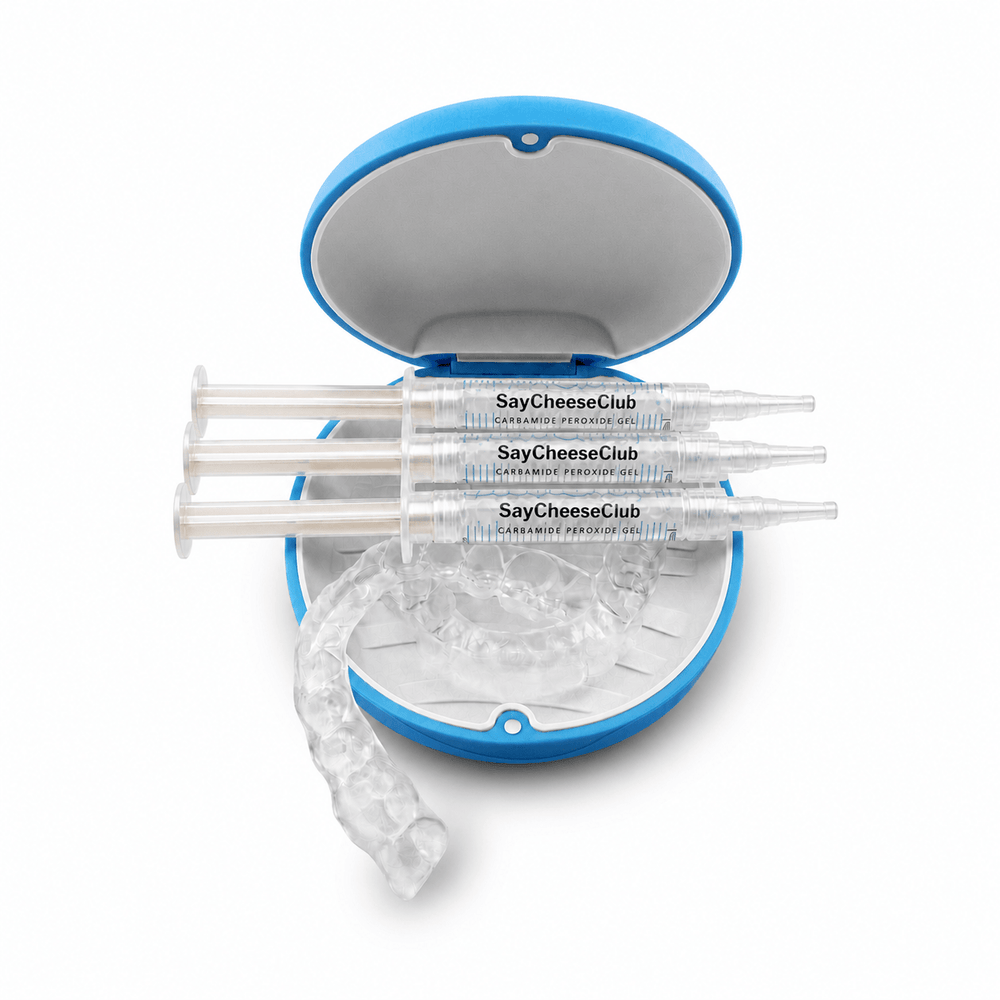
This is exactly the gap SayCheeseClub fills: custom-molded, dentist-quality night guards made from an impression you take at home, for up to 80% less than the dental office charges.
Why bother? The Real Benefits
A night guard isn't just about comfort. It's protection for your teeth and your wallet.
- It protects your enamel from wearing down, which is permanent once it happens.
- It prevents cracks and chips that can lead to crowns, root canals, and other expensive fixes.
- It eases jaw tension and morning headaches caused by overnight clenching.
- It can improve your sleep by reducing the discomfort that grinding causes.
Compared to the cost of repairing years of grinding damage, a night guard is one of the cheapest forms of dental insurance you can buy.
Taking Care of Your Night Guard
A night guard only works if you keep it clean and in good shape. The short version: rinse it with lukewarm water when you take it out, brush it gently (no toothpaste, it's too abrasive), let it air dry, and store it in a case away from heat. Once a week, give it a soak.
We wrote a full step-by-step guide on cleaning a night guard if you want the details.
How Long Does a Night Guard Last?
With good care, a quality custom night guard typically lasts 12–18 months, depending on the material and how hard you grind. Heavy grinders go through them faster, and that's normal, since the guard is wearing down instead of your teeth. When you see cracks, thin spots, or a loosening fit, it's time for a fresh one.
Shop Night Guards NowFrequently Asked Questions
How do I know if I need a night guard or if I'm just imagining it?
The clearest signs are physical: a sore jaw or headache in the morning, worn or chipped teeth, or someone telling you they hear grinding. If you're noticing any of these regularly, a night guard is worth getting. A dentist can confirm grinding by looking at the wear patterns on your teeth.
Are night guards actually worth the money?
For grinders, yes. Repairing the damage from years of grinding (cracked teeth, worn enamel, crowns) costs far more than a night guard. It's a small upfront cost to avoid a much bigger one later.
Do I really need a custom one, or is a drugstore guard fine?
Drugstore guards work in a pinch, but they're bulky and fit loosely, so a lot of people stop wearing them. A custom guard is thinner, stays in place, and is comfortable enough that you'll actually use it every night. Since it only protects you when you wear it, fit makes all the difference.
Will it feel weird or uncomfortable at first?
A little, for the first few nights. That's normal with anything new in your mouth. A well-fitted custom guard is slim and snug, so most people stop noticing it within a week.
Can I get a night guard without going to the dentist?
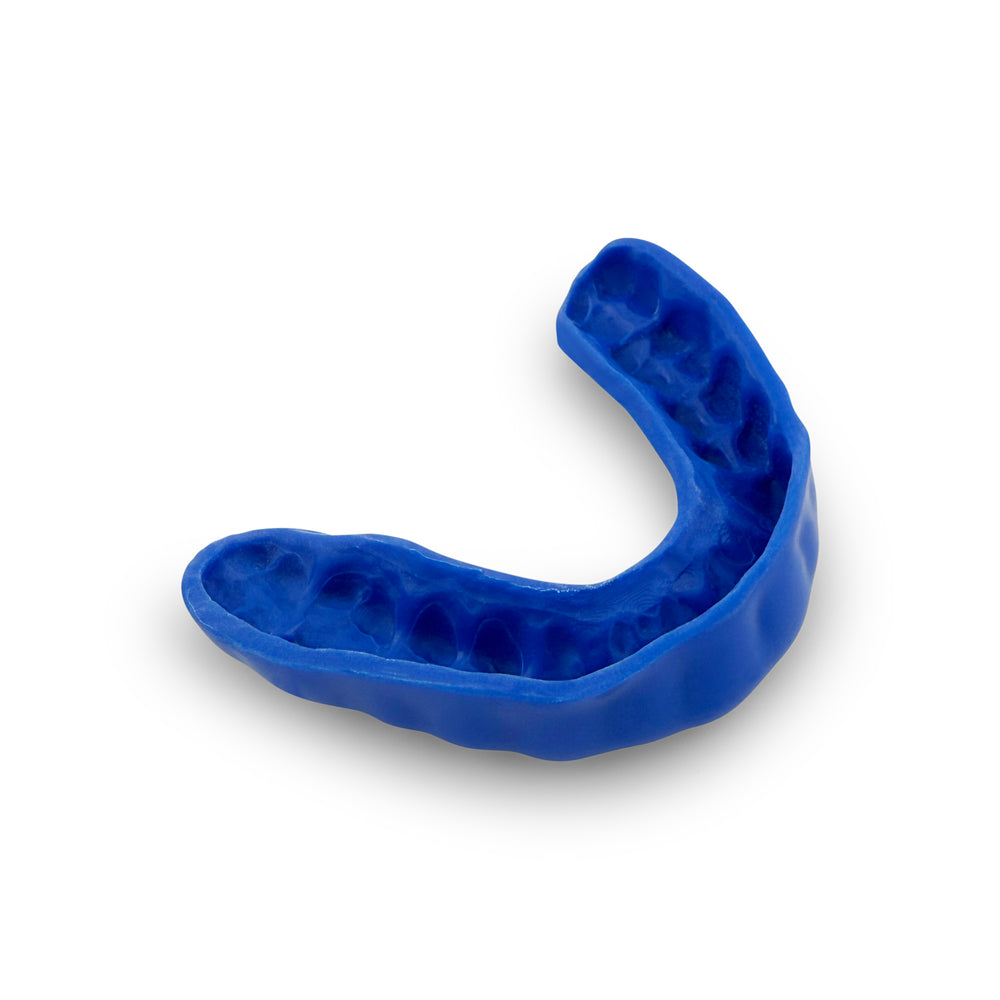
Yes. With at-home impression kits, you take a mold of your teeth at home, mail it in, and get a custom guard made to fit, no dental appointment needed. That's the whole model behind SayCheeseClub.
Does it go on my top or bottom teeth?
Most night guards are made for the upper teeth, though some are made for the lower set. A custom guard is designed for whichever fits your bite best.
Can I wear a night guard if I have a retainer?
Often yes, but it depends on your situation. If you wear a retainer at night, talk to your provider about how to use both, since you usually wear one or the other at a time.
How long until I get used to it?
Most people adjust within a few days to a week. Wearing it consistently actually speeds up the adjustment, so don't give up after one awkward night.
Ready to Protect Your Smile?
If you grind or clench at night, a night guard is one of the simplest, smartest things you can do for your teeth. It quietly prevents damage you'd otherwise be paying to fix later.
Skip the bulky drugstore version and skip the dental-office markup. Get a custom-fitted night guard at SayCheeseClub, molded to your exact teeth from an impression you take at home, made in the USA, and up to 80% cheaper than the dentist.