Most people who grind their teeth have no idea they're doing it.
It happens while you're asleep, so unless someone's lying awake next to you, the damage builds up quietly in the background.
By the time you actually notice something feels off, your enamel has usually already taken a few hits.
Grinding (the proper name is bruxism) is way more common than people think. Stress, too much caffeine, a slightly-off bite, even your sleep position can set it off. The good news is that it's very manageable once you catch it. You just have to know what to look for.
Here are seven signs your teeth are quietly asking for backup.
1. You wake up with a sore or tight jaw
If your jaw feels worn out in the morning, almost like you spent the whole night chewing, that's a classic tell. Clenching for hours puts real strain on the muscles around your jaw, and they tend to file their complaint right around 7am.
2. Morning headaches that fade as the day goes on
Jaw tension loves to travel. It creeps up into your temples and shows up as a dull headache that loosens its grip once you've been awake for a while. If that pattern sounds familiar, your jaw muscles might be the culprit, not your pillow.
3. Your teeth look flatter or more worn than they used to
Go check the mirror. Healthy teeth have little ridges and texture across the chewing surfaces. If your back teeth are looking flat, or your front teeth seem shorter or have tiny chips along the edges, that enamel is being ground away. And here's the part that stings a little: enamel doesn't grow back.
4. Sudden sensitivity to hot and cold
When grinding wears through that protective outer layer, the more sensitive inner parts of your tooth get exposed. If your morning coffee or a glass of cold water suddenly makes you wince, wear could be the reason behind it.
5. Clicking, popping, or a jaw that gets "stuck"
Your jaw joint takes a beating from constant clenching. Clicking when you open wide, popping while you chew, or a jaw that occasionally feels like it locks up are all worth paying attention to.
6. A scalloped tongue or chewed-up cheeks
Look at the edges of your tongue. See little wavy indentations where it presses against your teeth? That rippled, scalloped look is a quiet sign of clenching. The same goes for rough or ragged spots on the inside of your cheeks.
7. Your partner says you sound like a coffee grinder
Sometimes the most reliable sign isn't something you notice. It's something the person next to you can't sleep through. If your partner has mentioned the grinding noise, believe them. They've got front-row seats.
Okay… so what now?
Spotting one or two of these doesn't mean it's time to panic. It just means your teeth could use a little protection while you figure out what's triggering the grinding in the first place.
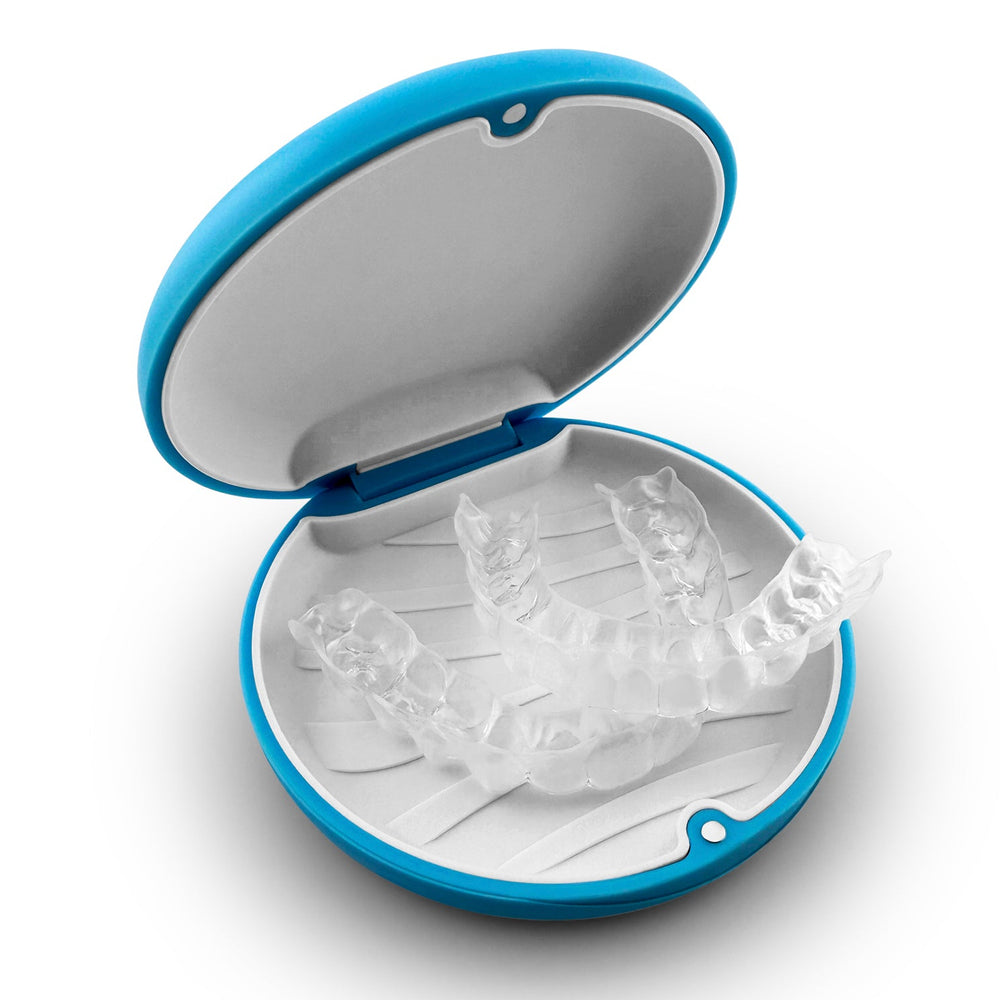
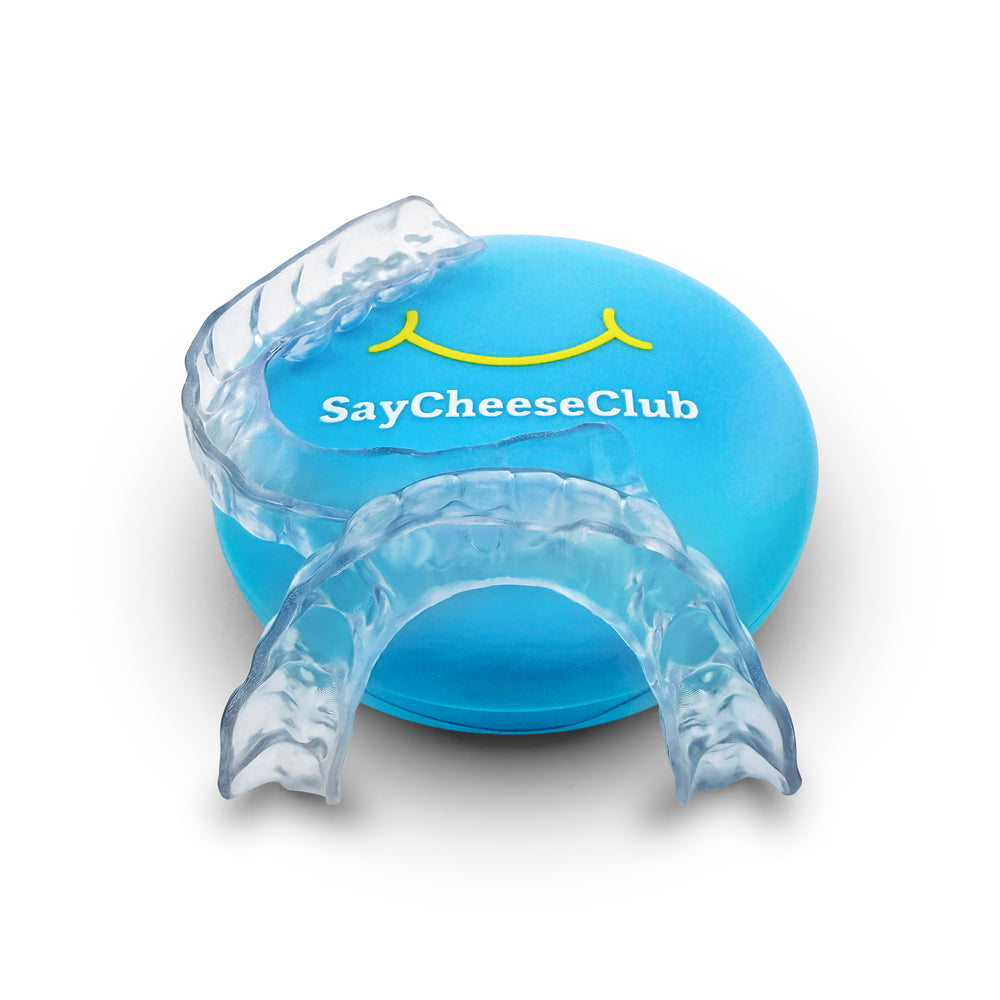
That's exactly what a night guard does. Think of it as a seatbelt for your smile. It sits between your top and bottom teeth so the grinding force lands on the guard instead of your enamel.
You've got choices here. Drugstore boil-and-bite guards are cheap, but they're bulky and rarely fit right, which is why most of them end up forgotten in a drawer. A custom-fit guard is molded to your exact teeth, so it's slim enough to actually sleep in, and it costs a fraction of what you'd pay at the dentist's office.
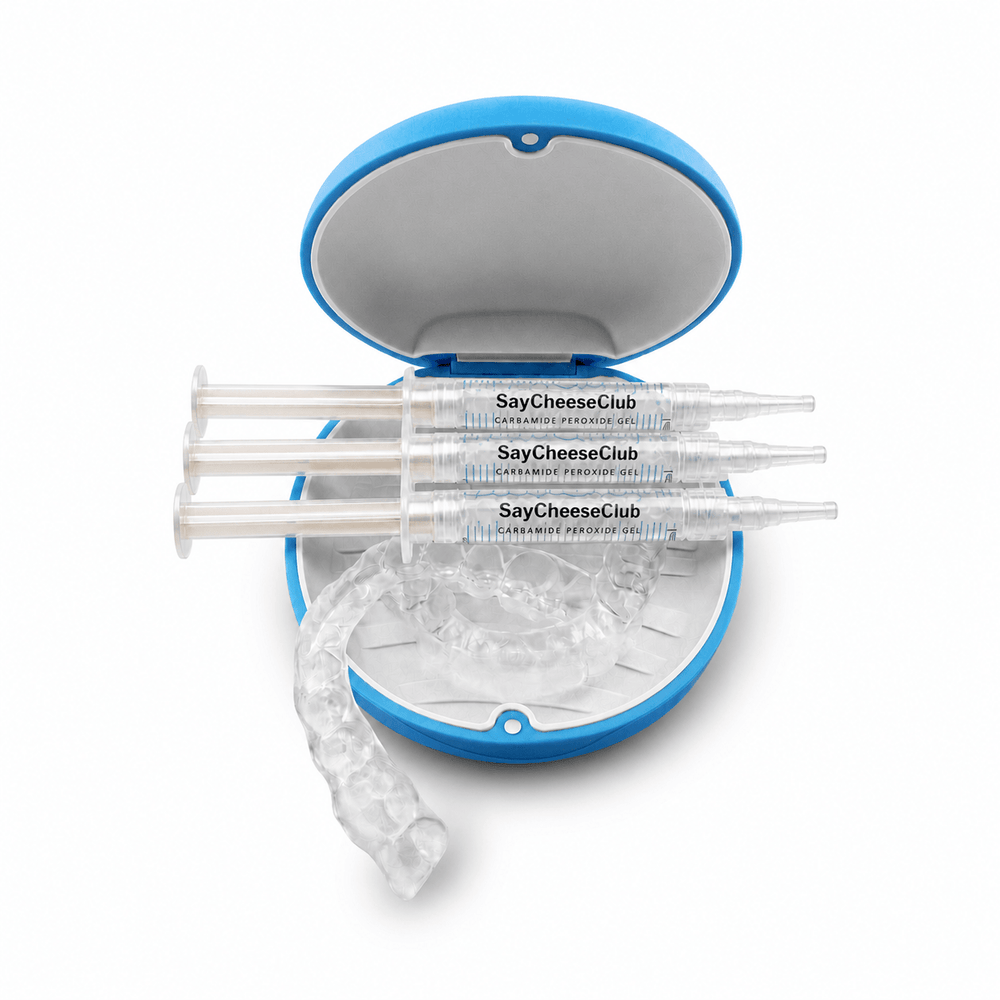
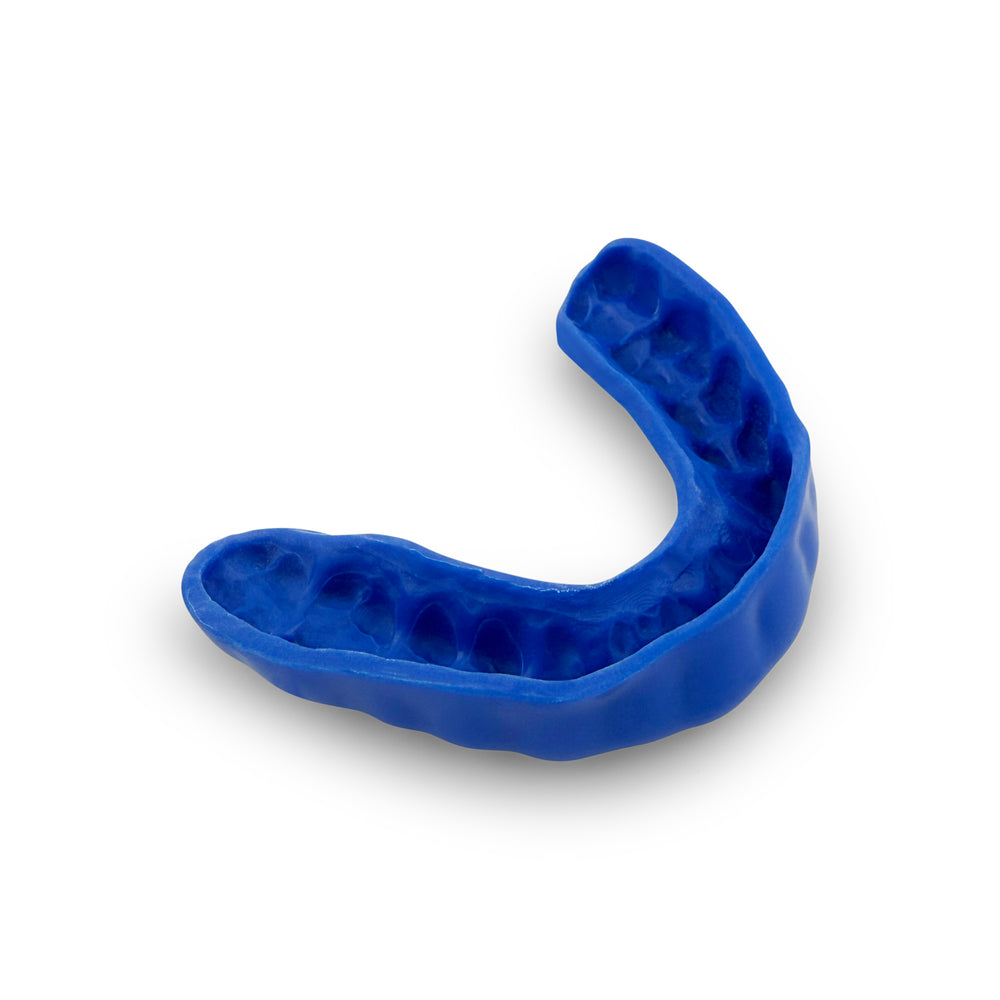
That's the whole idea behind our custom night guards: dentist-quality protection made from an impression you take at home, shipped to your door for up to 80% less than in-office pricing.
Night Guard FAQs
How do I know if I grind my teeth at night?
Since it happens while you sleep, the clearest clues are the after-effects: morning jaw soreness, headaches, worn or chipped teeth, and a partner who can hear it. Your dentist can also spot the wear patterns during a regular checkup.
Will a night guard stop me from grinding?
A night guard won't stop the grinding itself, since that's usually tied to stress or your bite. What it does is protect your teeth from the damage while you work on the underlying cause. Protection first, then root cause.
Are custom night guards really better than drugstore ones?
In a word, yes. One-size-fits-most guards tend to be thick and uncomfortable, which is why so many people give up on them. A custom guard is molded to your teeth, so it's slimmer, comfier, and far more likely to be worn every single night.
How long does a night guard last?
With decent care, most night guards last anywhere from several months to a couple of years, depending on how hard you grind. Rinse it each morning, let it dry, and keep it in its case. (We've got cleaning tips for that too.)
How much does a custom night guard cost?
A lot less than you'd think. In-office guards can run several hundred dollars, while our at-home custom guards give you the same protection for a fraction of the price.
Protect your smile while you sleep
If even a couple of these signs sound familiar, don't wait around for your teeth to make the decision for you. Grinding damage tends to add up slowly… and then all at once.
Build your custom night guard at SayCheeseClub and sleep easy knowing your smile's covered.