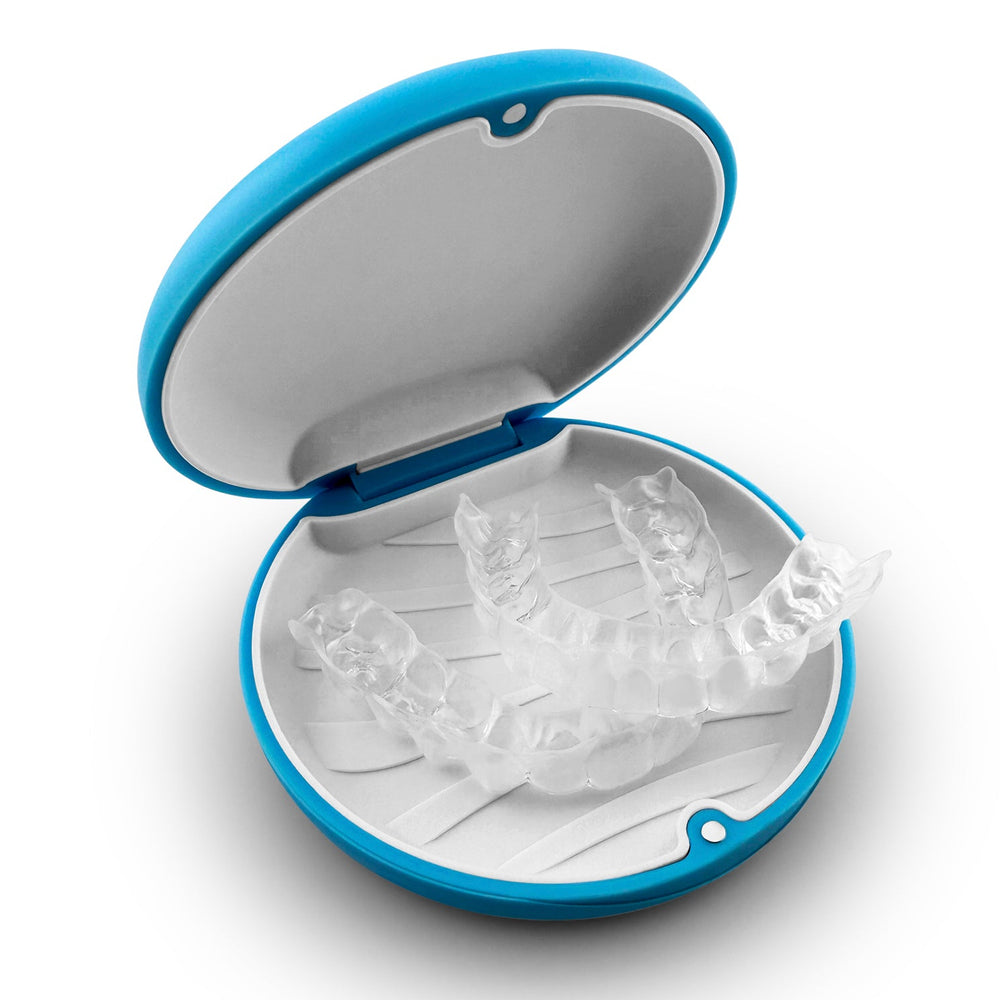
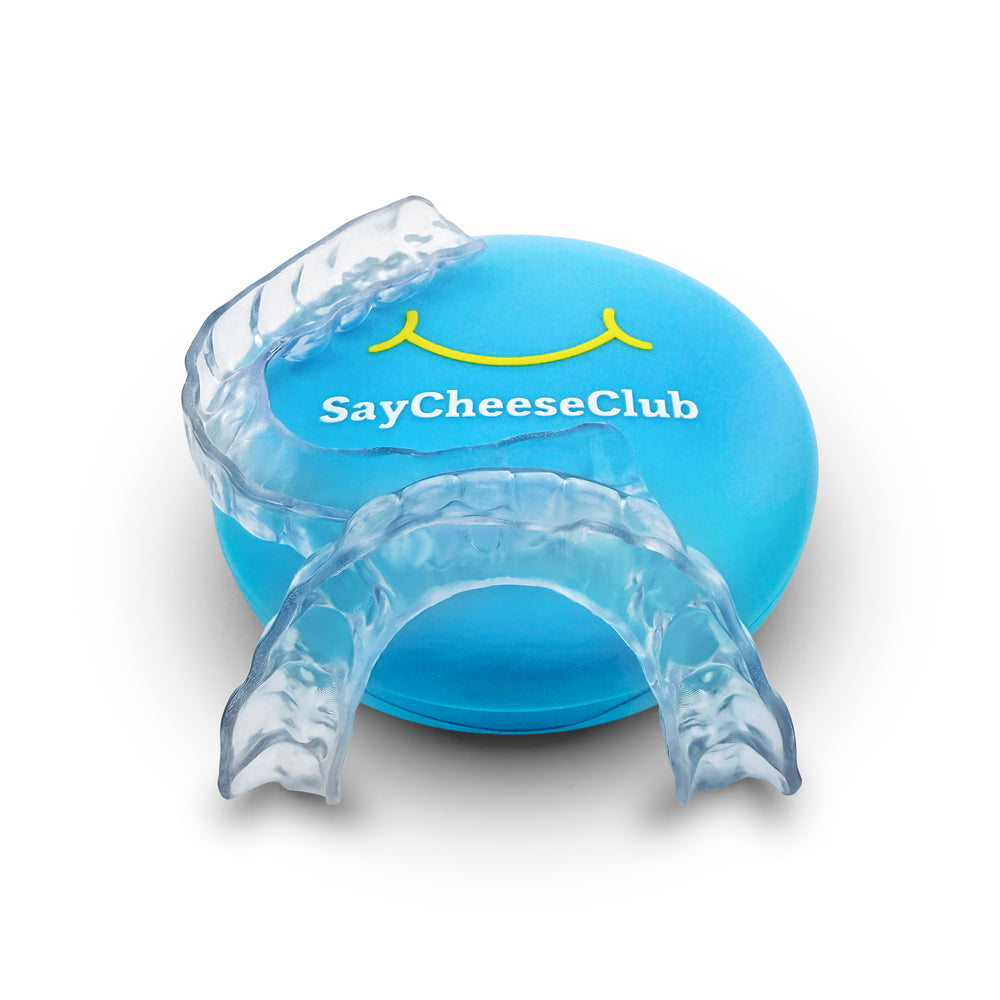
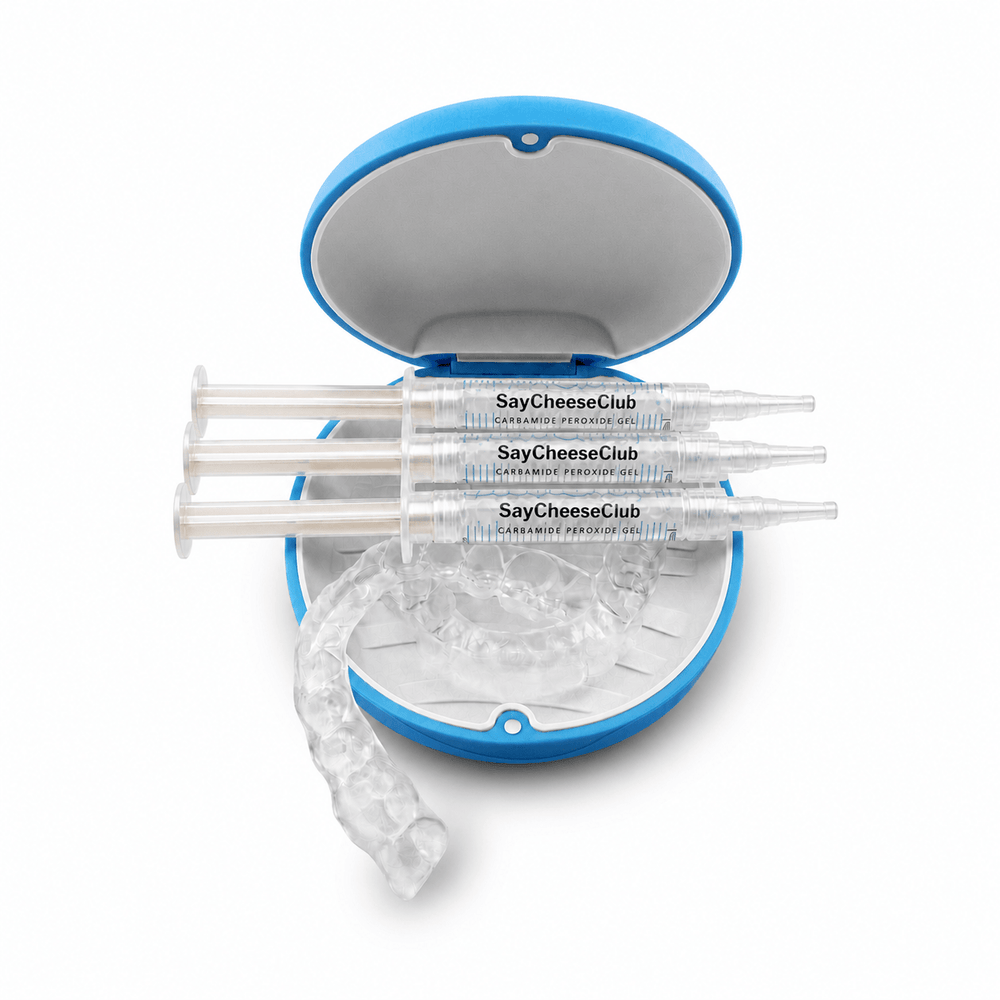
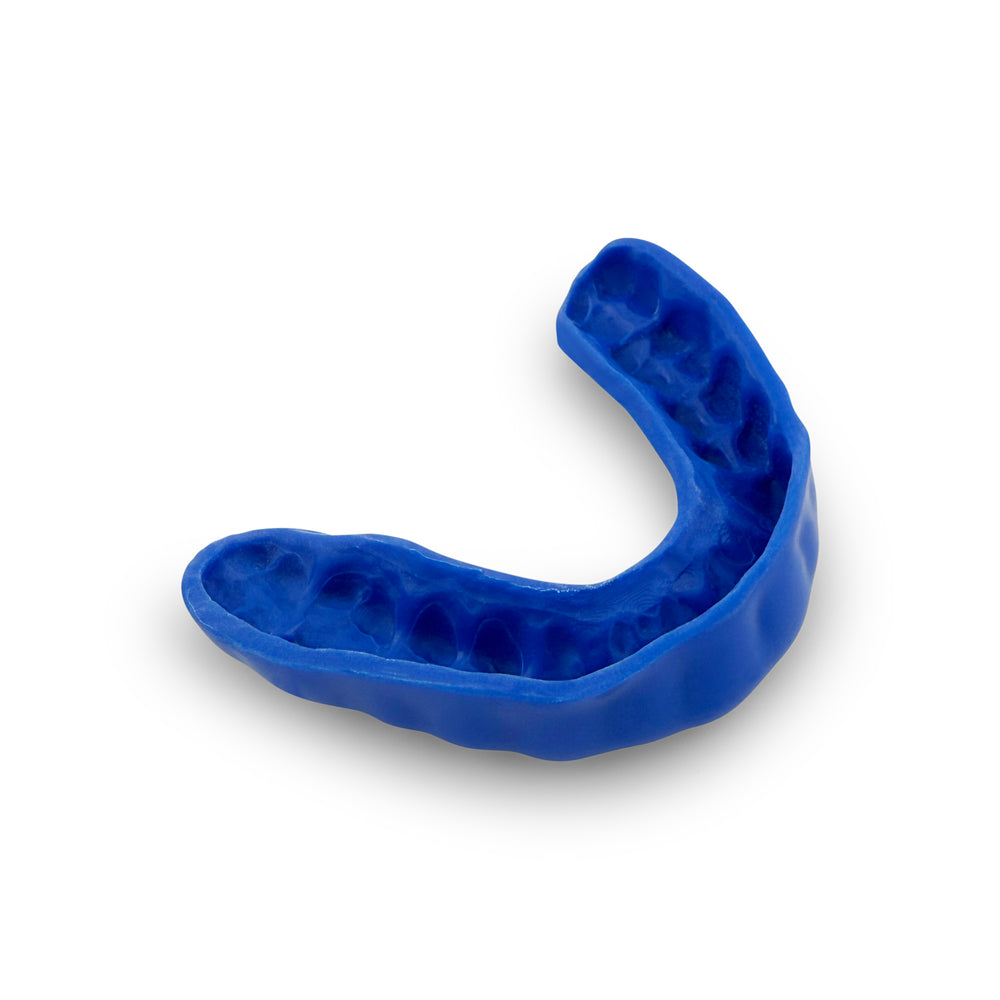
Most dentists recommend a custom fitted hard acrylic or dual laminate night guard over soft or boil and bite options, especially for moderate to severe teeth grinding. A hard guard holds up better against the repeated pressure of grinding and lasts significantly longer than a soft one, while a dual laminate guard adds a softer inner layer for comfort without sacrificing that durability. Soft night guards are usually reserved for mild grinding or occasional clenching, since they tend to wear through faster under heavier forces. The custom fit itself matters just as much as the material, since a guard molded to your exact teeth stays in place and distributes pressure evenly, unlike a generic one size fits all option.
If you have been grinding your teeth and are not sure which type of night guard is actually worth getting, you are asking the right question, since not all night guards are built the same. Let us go through the main types, what dentists tend to recommend, and why.
Why night guard type matters
Teeth grinding, known clinically as bruxism, applies repeated, sometimes forceful pressure to your teeth and jaw, often for hours at a time while you sleep. A night guard's job is to absorb that pressure instead of letting it wear directly on your enamel. The material and construction of the guard directly affect how well it can do that, how long it lasts, and how comfortable it feels to wear night after night.
Choosing the wrong type for your specific grinding pattern can mean a guard that wears out in weeks instead of years, or one that feels so uncomfortable you stop wearing it altogether, which defeats the purpose entirely.
The main types of night guards
Night guards generally fall into three categories, each suited to a different level of grinding intensity.
Soft night guards are made from a flexible, cushioned material, similar to what you might find in an athletic mouthguard. They are comfortable right out of the case and require little adjustment, which makes them a common starting point for mild grinding or occasional clenching.
Hard night guards are made from a rigid acrylic material. They hold up well against heavy, forceful grinding and last considerably longer than soft options, though they can feel less comfortable initially, especially for someone new to wearing one.
Dual laminate night guards combine both materials, with a hard outer shell for durability and a softer inner layer that touches your teeth for comfort. This combination is often the middle ground dentists reach for when a patient needs strength but has struggled with the stiffness of a fully hard guard.
Soft vs hard vs dual laminate at a glance
Here is how the three main types compare.
|
Type |
Material |
Best For |
Watch-outs |
|
Soft |
Flexible, cushioned plastic |
Mild grinding, occasional clenching |
Wears through faster under heavier grinding |
|
Hard |
Rigid acrylic |
Moderate to severe grinding |
Can feel stiff, especially at first |
|
Dual laminate |
Hard outer shell, soft inner layer |
Moderate to severe grinding with comfort priority |
Slightly bulkier than a single layer guard |
The takeaway is simple. The right type depends on how forcefully you grind, so a guard built for mild clenching will not hold up the same way for someone with heavy nighttime grinding, and the reverse can feel unnecessarily stiff for lighter cases.
What dentists typically recommend and why
For most adults with a confirmed grinding habit, dentists lean toward a hard or dual laminate guard, since grinding tends to be more forceful and more frequent than casual clenching. The added durability means fewer replacements over time, and the custom molded fit keeps the guard properly seated through a full night of movement, which a soft, less structured guard can struggle to maintain.
Soft guards still have their place, particularly for people with mild symptoms or for short term use, but they are generally seen as a starting point rather than a long term solution for anyone with a diagnosed grinding habit.
Custom fit vs boil and bite vs over the counter
Material is only half the equation. Fit matters just as much, if not more. A custom fitted night guard is molded specifically to your teeth, which keeps it securely in place and distributes pressure evenly across your bite. Boil and bite guards, which you shape yourself at home using hot water, offer a rough approximation of a custom fit but rarely match the precision of one actually molded from your impressions. Over the counter, one size fits all guards offer the least precise fit of the three and tend to feel bulky or shift out of place during sleep.
For anyone dealing with regular, confirmed grinding, a custom fit is generally worth the investment, since a guard that does not stay in place is a guard that is not protecting your teeth the way it should. Our guide on the best custom night guard for teeth grinding walks through what to look for if you are ready to move to a properly fitted option.
Caring for a night guard that lasts
A night guard, regardless of type, lasts longer when it is cared for consistently. Rinse it every morning after use, and give it a deeper clean with a soft brush and mild soap a few times a week. Store it in a hard, ventilated case rather than a sealed bag, since trapped moisture encourages bacteria growth just as it does with retainers and mouthguards. Avoid hot water at every stage of cleaning, since heat can warp both soft and hard materials, even a rigid acrylic guard.
Teeth grinding can also increase tooth sensitivity over time, since the repeated pressure gradually wears at enamel even with a guard in place. ARM & HAMMER Sensitive Teeth & Gums Toothpaste is one option worth considering if grinding has left your teeth feeling more sensitive than usual.
When to see a dentist about your grinding
A night guard helps manage the effects of grinding, but it is not a cure on its own. If you notice jaw pain, headaches upon waking, or visibly worn or flattened teeth, it is worth bringing this up with your dentist rather than assuming a night guard alone will resolve everything. Grinding is sometimes linked to stress, sleep quality, or bite alignment issues, and addressing those underlying factors alongside a night guard tends to produce better long term results than relying on the guard by itself.
Your dentist can also help confirm which type of guard fits your specific grinding pattern, since severity can shift over time and a guard that worked well a few years ago may no longer match how forcefully you grind now.
Night Guard Type FAQs
Is a hard or soft night guard better for grinding?
For moderate to severe grinding, a hard or dual laminate guard is generally recommended, since it holds up better against repeated pressure and lasts longer. Soft guards are usually better suited to mild grinding or occasional clenching.
How long does a custom night guard usually last?
A well cared for custom night guard, especially a hard or dual laminate type, often lasts one to five years depending on how heavily you grind and how consistently it is cleaned and stored properly.
Can a boil and bite night guard work as well as a custom one?
It can work as a short term or budget option, but it rarely matches the fit and durability of a guard molded specifically to your teeth. A custom fit tends to stay in place better through a full night of movement.
Do dentists ever recommend soft night guards for grinding?
Yes, particularly for mild cases or for patients who are just starting to address a new grinding habit. For more forceful or long standing grinding, a hard or dual laminate guard is more commonly recommended.
The bottom line
The night guard dentists most often recommend depends on how you grind, but for the majority of confirmed grinding cases, a custom fitted hard or dual laminate guard offers the best combination of durability and protection. Getting the material and the fit right from the start means fewer replacements and a guard that actually stays in place through the night.
Ready to protect your teeth from grinding, the right way? A custom fit makes all the difference in comfort and durability. Shop the SayCheeseClub night guard today and get a guard molded specifically to your bite.