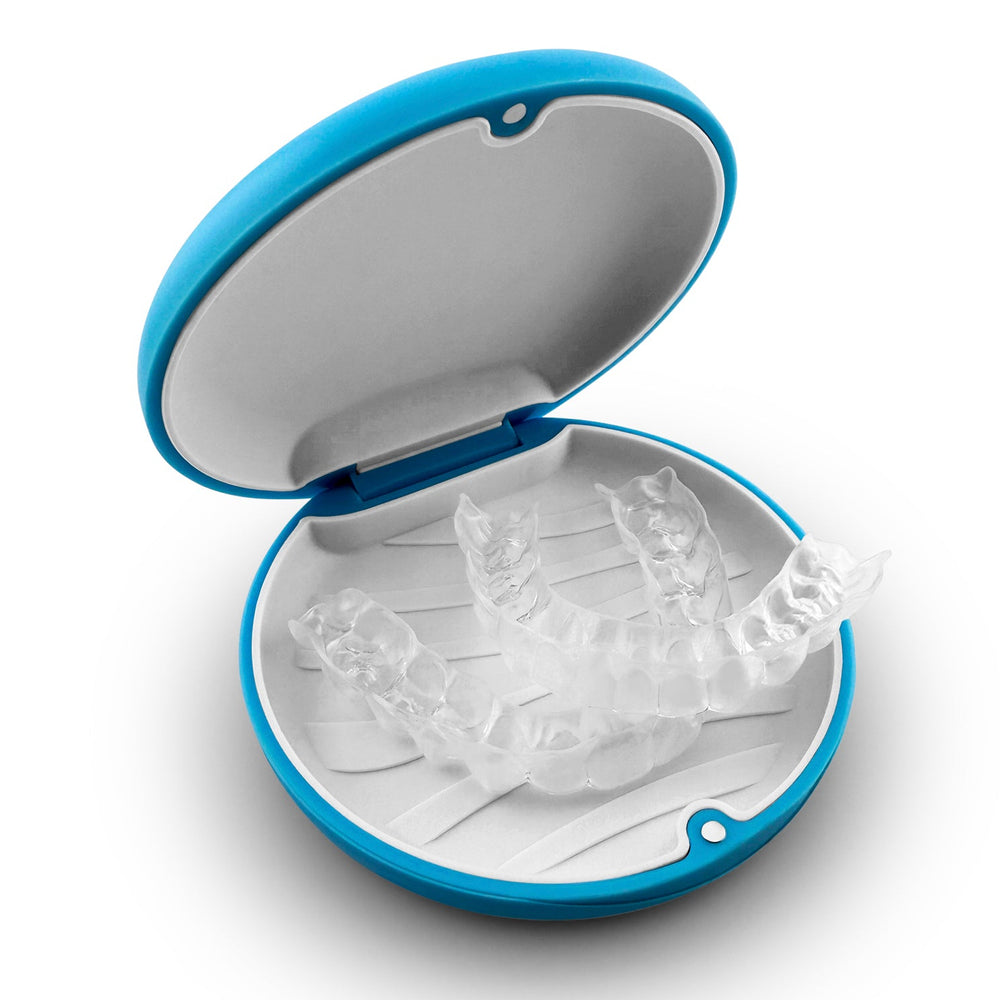
A night guard usually triggers your gag reflex because it extends too far back toward your soft palate, fits loosely and shifts around in your mouth, or because you are still in the early adjustment period of wearing a new oral appliance. A guard that is too thick, too long, or not molded precisely to your teeth is more likely to touch sensitive areas at the back of your mouth that set off the gag reflex. The good news is that this usually improves with a properly fitted guard and a short adjustment period, and it is rarely a sign that something is wrong with you specifically.
If you have tried wearing a night guard and immediately felt like gagging, you are far from the only one, and it does not mean a night guard is simply not for you. Let us go through exactly why this happens and what actually fixes it.
Why the gag reflex gets triggered by a night guard
Your gag reflex is a protective response controlled by nerves at the back of your mouth and throat, designed to prevent choking. Certain areas, especially the soft palate and the back of your tongue, are far more sensitive to touch and pressure than the rest of your mouth. A night guard that extends into or presses against those areas, even slightly, can set off that reflex, sometimes within seconds of putting it in.
Everyone's sensitivity level is different, which is why some people wear a guard with no issue at all while others gag almost immediately, even with a guard that objectively fits well.
Common cause number one: the guard extends too far back
A guard that is cut too long or shaped without enough precision can extend further toward your throat than necessary. Even a few extra millimeters near the back of your mouth can be the difference between a comfortable fit and one that consistently triggers your gag reflex. This is especially common with generic, one size fits all guards that are not shaped around your specific mouth and palate.
Common cause number two: poor or loose fit
A guard that does not fit snugly can shift while you wear it, and that movement itself can trigger gagging, even if the guard's overall size is not the main issue. A loose fit means the guard is more likely to move toward sensitive areas at the back of your mouth throughout the night, rather than staying securely in place over your teeth where it belongs.
Common cause number three: you are new to wearing an oral appliance
If this is your first time wearing any kind of night guard, retainer, or aligner, some initial gagging is common simply because your mouth has not adjusted to having something new inside it. Most people find that this sensitivity fades noticeably within the first week or two of consistent wear, as your mouth and gag reflex adapt to the new sensation.
Common cause number four: breathing through your mouth while adjusting
Mouth breathing while wearing a new guard can sometimes intensify gagging, since it changes airflow and can dry out your throat, both of which make the gag reflex more sensitive. Practicing calm, steady nasal breathing while wearing your guard, especially during the first several nights, can noticeably reduce how often you feel the urge to gag.
Common causes and fixes at a glance
Here is a quick breakdown of what might be going on and what tends to help.
|
Cause |
Why It Happens |
What Helps |
|
Guard extends too far back |
Shape or length too close to sensitive palate area |
A precisely molded custom fit |
|
Loose or poor fit |
Guard shifts and touches sensitive areas |
A snug, custom molded guard that stays in place |
|
New to wearing a guard |
Mouth has not adjusted to the sensation yet |
Gradual wear time, patience over the first week or two |
|
Mouth breathing while wearing it |
Dry throat and airflow changes heighten sensitivity |
Practicing calm nasal breathing while wearing the guard |
The takeaway is simple. Most gagging comes down to either fit or adjustment time, both of which are very fixable rather than a sign that a night guard simply will not work for you.
How a custom fit reduces gagging
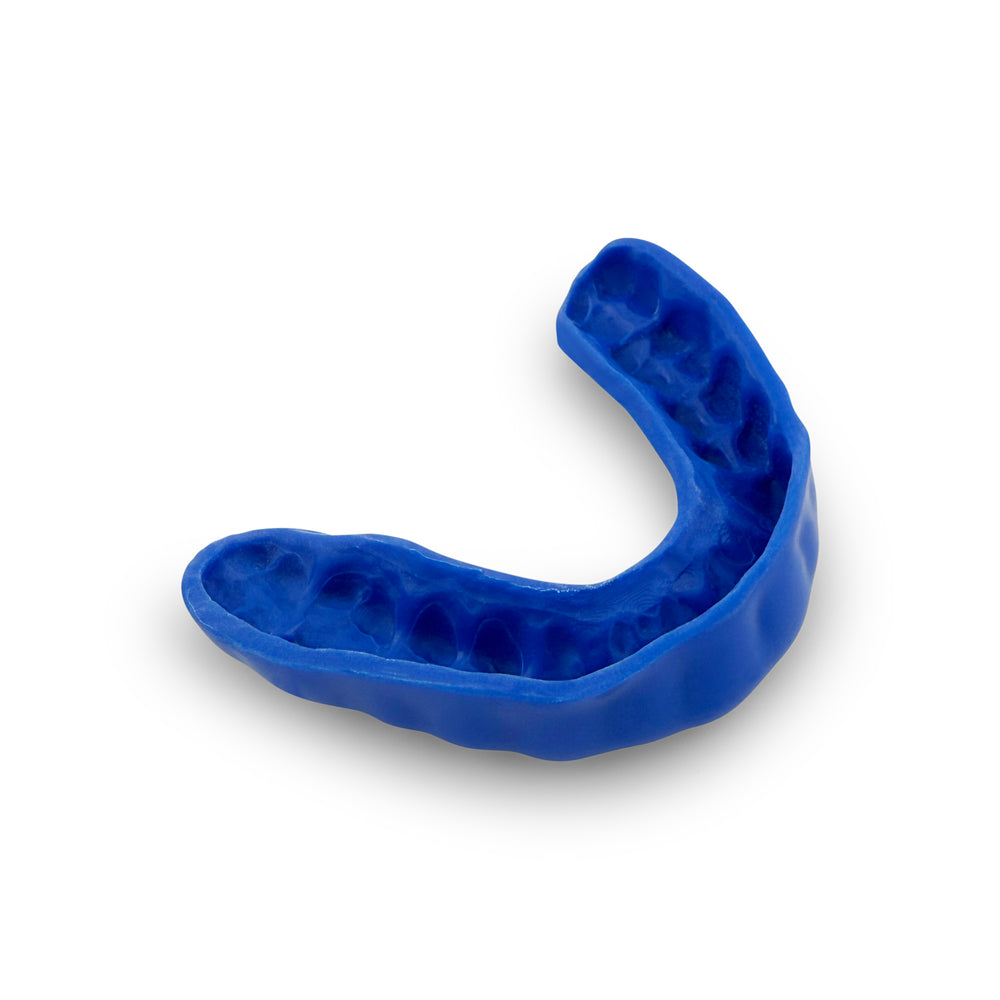
A generic, boil and bite, or one size fits all guard is more likely to extend further than necessary and shift out of place, both of which increase the odds of triggering your gag reflex. A night guard molded specifically to your teeth is shaped to stay clear of sensitive areas at the back of your mouth while still covering your teeth fully, which meaningfully reduces the chances of gagging compared to a generic option.
Fit precision matters just as much as material here, since even the most comfortable material will not help if the overall shape presses into the wrong spot.
Tips to reduce gagging while you adjust
A few simple habits can make the adjustment period noticeably easier. Start by wearing your guard for short stretches during the day before committing to a full night, so your mouth gets used to the sensation gradually rather than all at once. Focus on slow, steady breathing through your nose rather than your mouth while it is in. Sitting upright rather than lying flat for the first few minutes after inserting it can also help, since a more upright position tends to be gentler on the gag reflex initially.
Distraction helps too. Reading, watching something relaxing, or simply focusing on your breathing for the first several minutes can shift your attention away from the new sensation while your mouth adjusts.
When to see a dentist
If gagging persists well beyond the first couple of weeks despite a properly fitted guard, it is worth checking in with your dentist. In some cases, a guard may need minor adjustments even after an initial custom fit, and a dentist can trim or reshape problem areas that are still triggering discomfort. Persistent gagging can occasionally point to an unusually sensitive gag reflex that benefits from a specifically modified guard shape, which your dentist can help address directly.
Our guide on the best custom night guard for teeth grinding walks through what to look for in a guard if you are considering a switch to a properly fitted option.
Managing dry mouth and sensitivity during adjustment
Since mouth breathing and a dry throat can make gagging worse, keeping your mouth comfortably moist during the adjustment period can genuinely help. TheraBreath Dry Mouth Lozenges are worth having on hand if dryness tends to build up while you get used to wearing a night guard, since they help support saliva production and keep your mouth feeling more comfortable overall.
Night Guard Gagging FAQs
Is it normal to gag when you first start wearing a night guard?
Yes, mild gagging during the first several nights is common, especially if this is your first time wearing any oral appliance. Most people find it improves significantly within one to two weeks as their mouth adjusts.
Does a custom fitted night guard reduce gagging?
Generally yes, since a custom fit is shaped specifically to your mouth and stays clear of sensitive areas at the back of your palate, unlike a generic guard that may extend further than necessary or shift out of place.
Can breathing techniques actually help with gagging?
Yes. Practicing slow, steady breathing through your nose rather than your mouth can noticeably reduce gagging, since mouth breathing tends to dry out your throat and heighten sensitivity in that area.
When should I see a dentist about gagging with a night guard?
If gagging continues well beyond the first two weeks despite a properly fitted guard, or if it feels severe rather than mild, it is worth checking in with your dentist, since minor adjustments to the guard's shape can often resolve the issue.
The bottom line
Gagging on a night guard is a common, usually temporary problem tied to fit, guard length, or simply needing time to adjust, not a sign that a night guard is not right for you. A properly molded custom fit combined with a bit of patience during the first couple of weeks resolves this for most people.
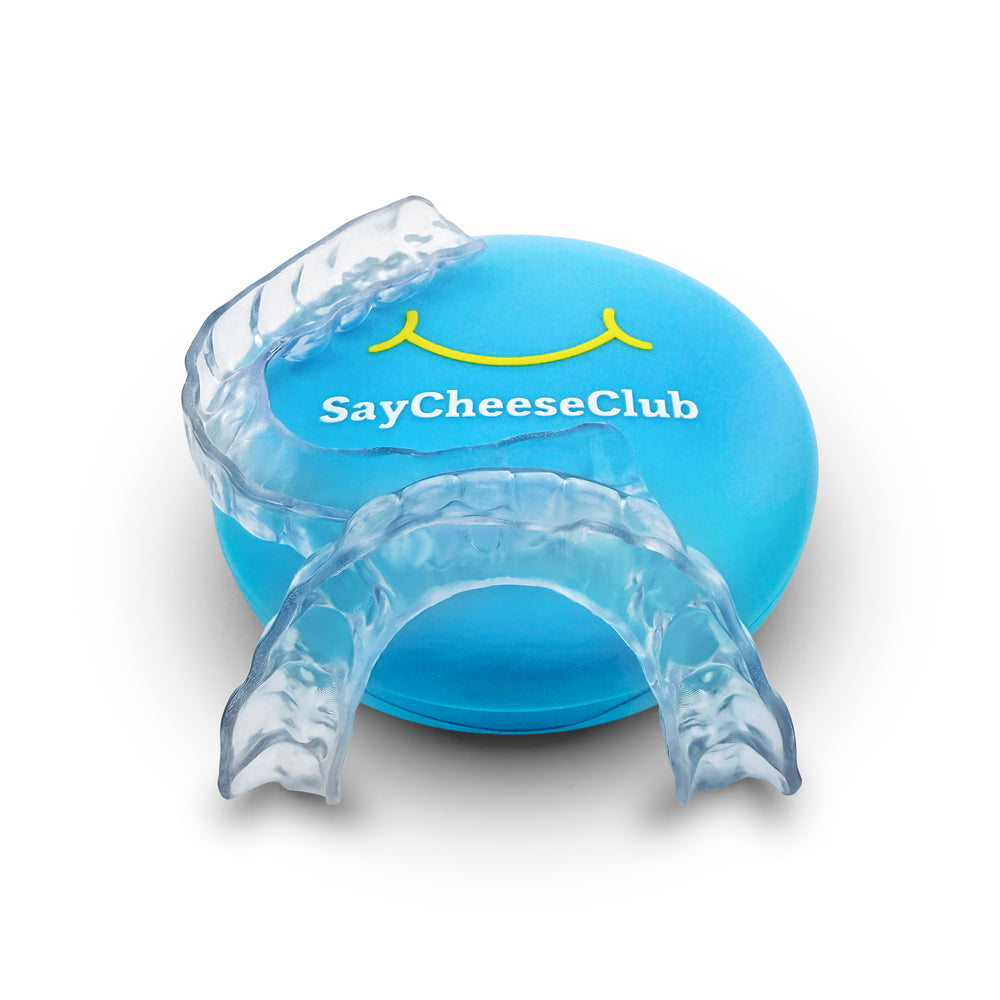
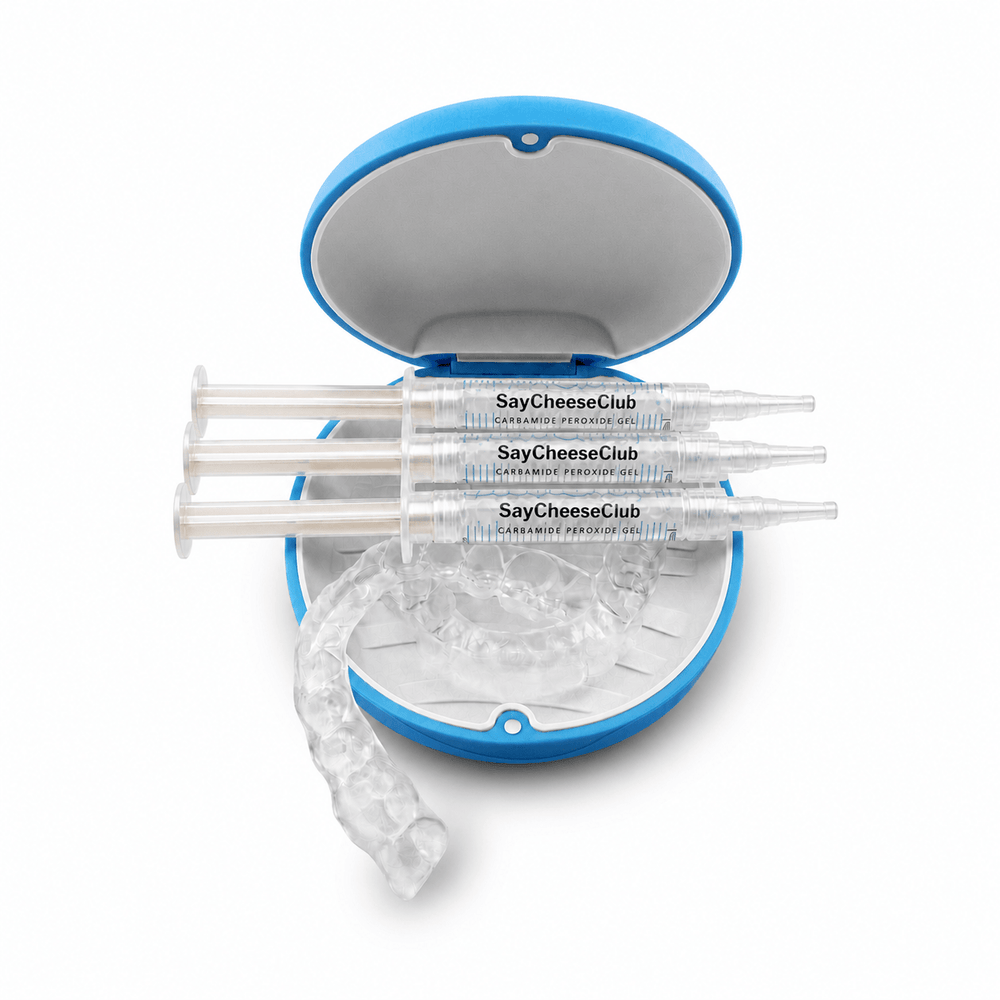
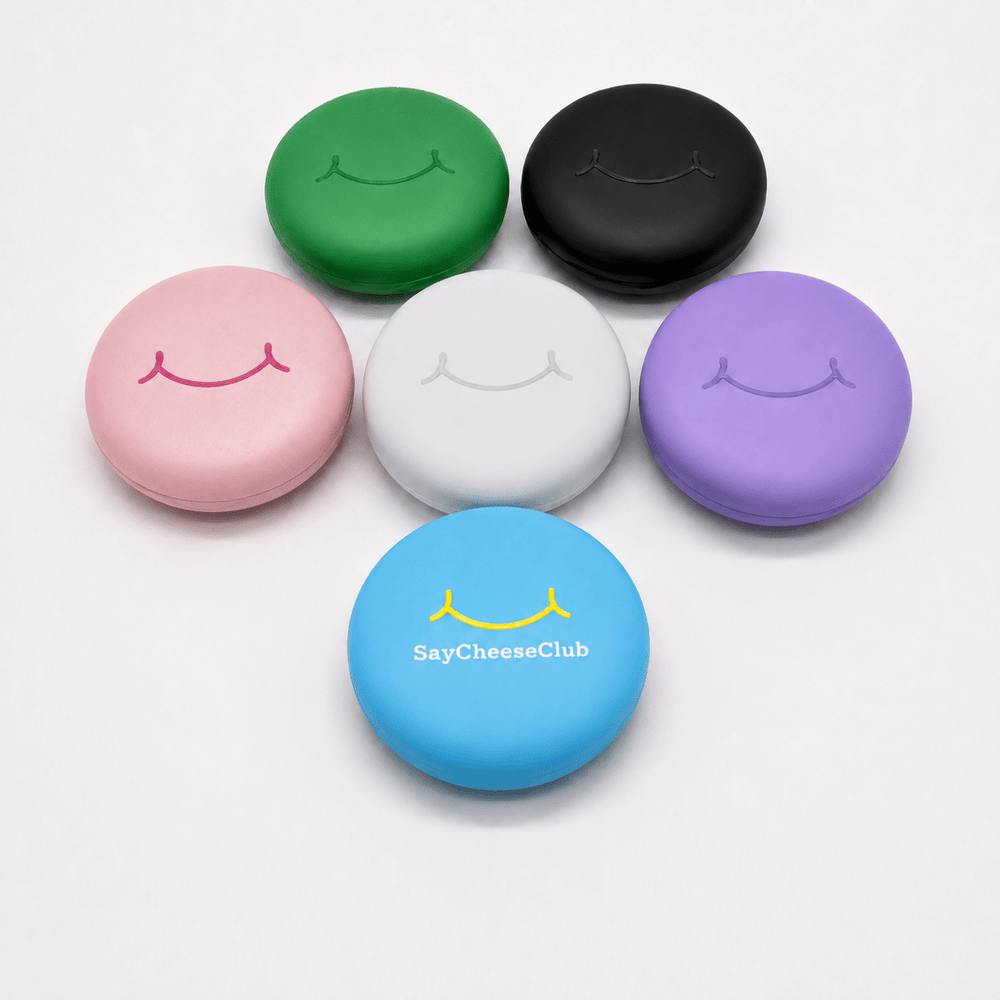
Ready for a night guard that actually fits right? A precise, custom molded fit makes a real difference in comfort from the very first night. Shop the SayCheeseClub night guard today and stop settling for a guard that does not fit your mouth.