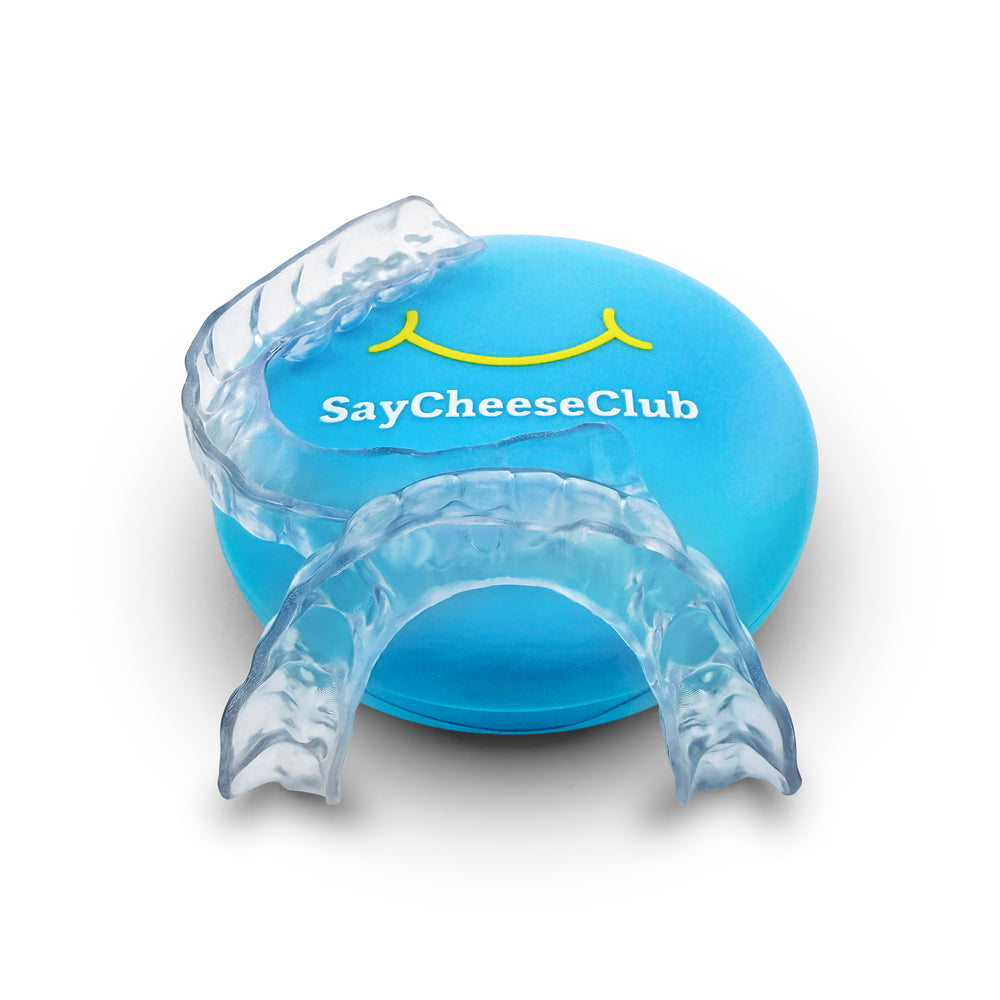
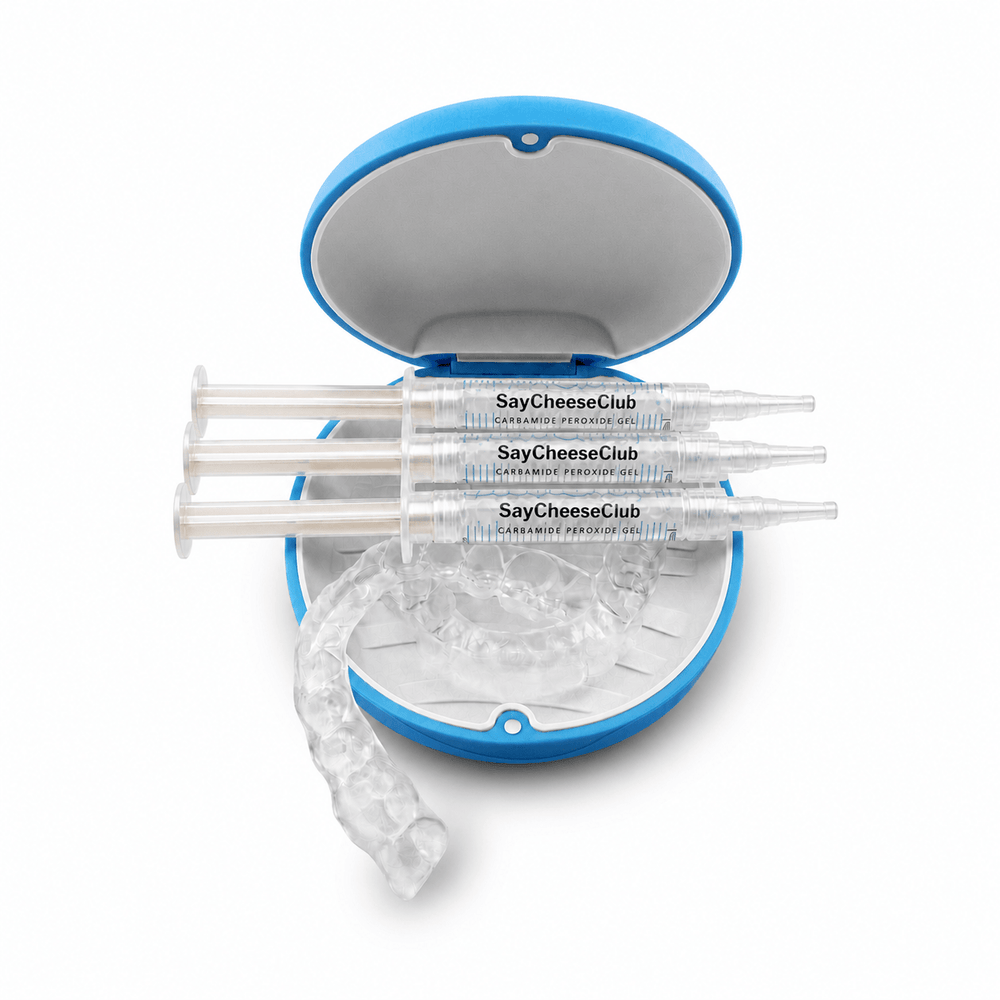
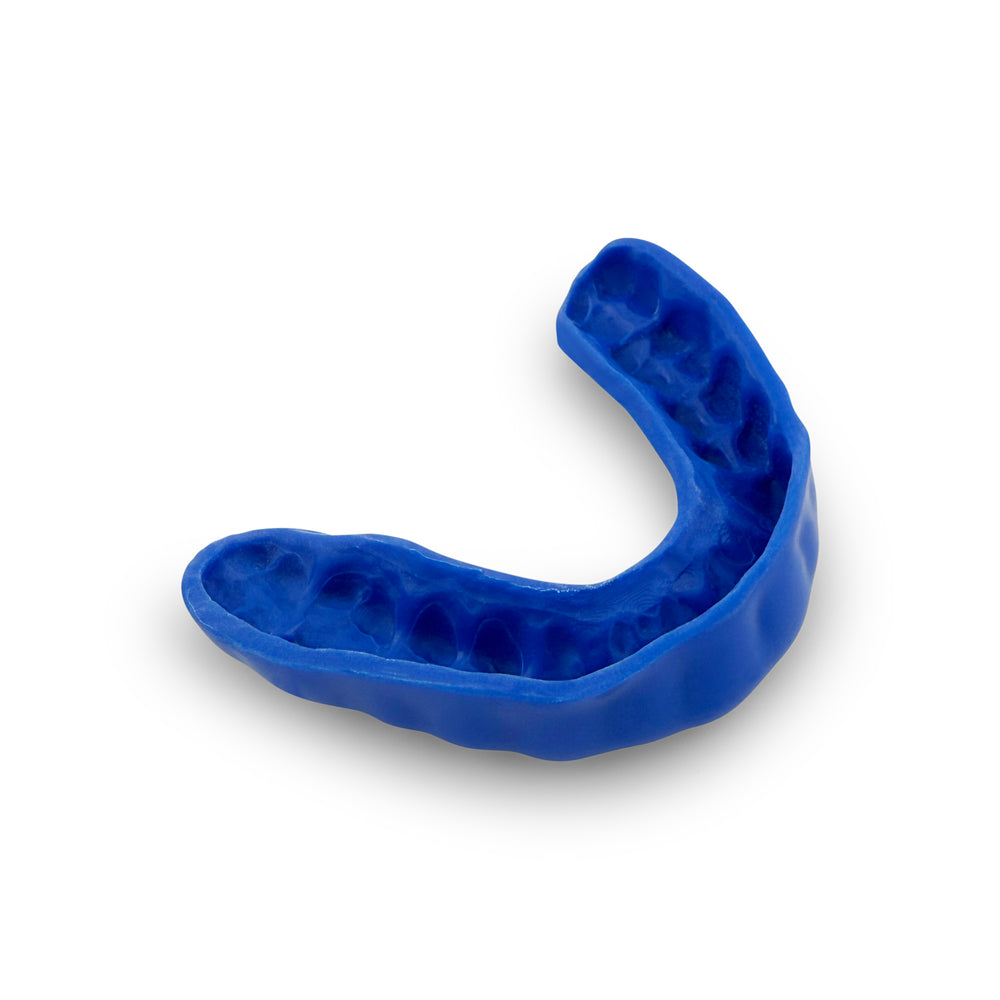
Maybe you've had your night guard a while and it's started looking a little… tired. Worn-down spots, a cloudy haze, that thin patch where you clearly grind the hardest. Or maybe you're about to buy your first one and you're quietly doing the math: how often am I going to have to repurchase this thing?
Either way, you want a real answer, not a shrug and an "it depends."
So here's the honest version. A night guard can last anywhere from a few months to several years, and the gap between those two extremes comes down to three things you actually have some control over. Let's break it down so you know exactly what to expect from yours.
The short answer
Most night guards last somewhere between 6 months and 3 years, with heavy-duty ones stretching past that. A cheap soft guard from a heavy grinder might tap out in a few months. A well-cared-for hard guard from a light clencher can cruise for years.
That's a huge range, which is exactly why "it depends" is technically true but completely useless. The useful part is knowing what it depends on.
What actually decides how long yours lasts
1. How hard you grind
This is the biggest factor by a mile. If you're a light clencher, your guard barely takes a beating and lasts a long time. If you grind like you're trying to start a fire, you'll chew through one much faster, no matter how good it is.
Not totally sure how heavy a grinder you are? Your guard will tell you. Deep grooves and worn-thin spots after just a few months mean you're working it hard. If you're still figuring out whether you even grind in the first place, here are the signs you need a night guard to compare against.
2. The type of guard you've got
Material matters as much as effort. Generally speaking:
- Soft guards are the comfiest but the least durable. Great for light grinding, but heavy grinders can wear through one in a matter of months.
- Hybrid guards (hard shell, soft inside) hit the sweet spot. They handle real grinding while staying comfortable, and tend to last a solid while in the middle of the range.
- Hard guards are the toughest of the bunch. They're built for heavy grinders and strong clenchers, and with good care they're the ones that go the distance.
If you grind hard and keep blowing through soft guards, that's not bad luck. It's a sign you've outgrown the material and need something tougher.
3. How you treat it
A guard that gets rinsed, cleaned, and stored properly easily outlives one that lives on the nightstand collecting bacteria, or gets rinsed in hot water that slowly warps it. Care won't make a soft guard immortal, but it can be the difference between replacing yours twice a year and once every couple of years.
How to tell yours is actually done
Don't wait for it to fall apart. A worn night guard quietly stops protecting your teeth long before it disintegrates. Time to replace it when you notice:
- Holes or worn-through spots where you grind hardest (the guard's no longer taking the hit, your teeth are)
- Cracks or splits in the material
- A loose, sloppy, or suddenly-tight fit, which can mean it's warped or your teeth have shifted
- Cloudiness or a smell that won't clean off no matter what you soak it in
- Jaw soreness or morning headaches creeping back, the symptoms it was supposed to be handling
That last one is the big tell. If the aches you bought it to fix are returning, your guard has stopped doing its job.
Want it to last as long as possible?
A few easy habits genuinely add months:
- Rinse it in cool water every morning, never hot (heat warps it).
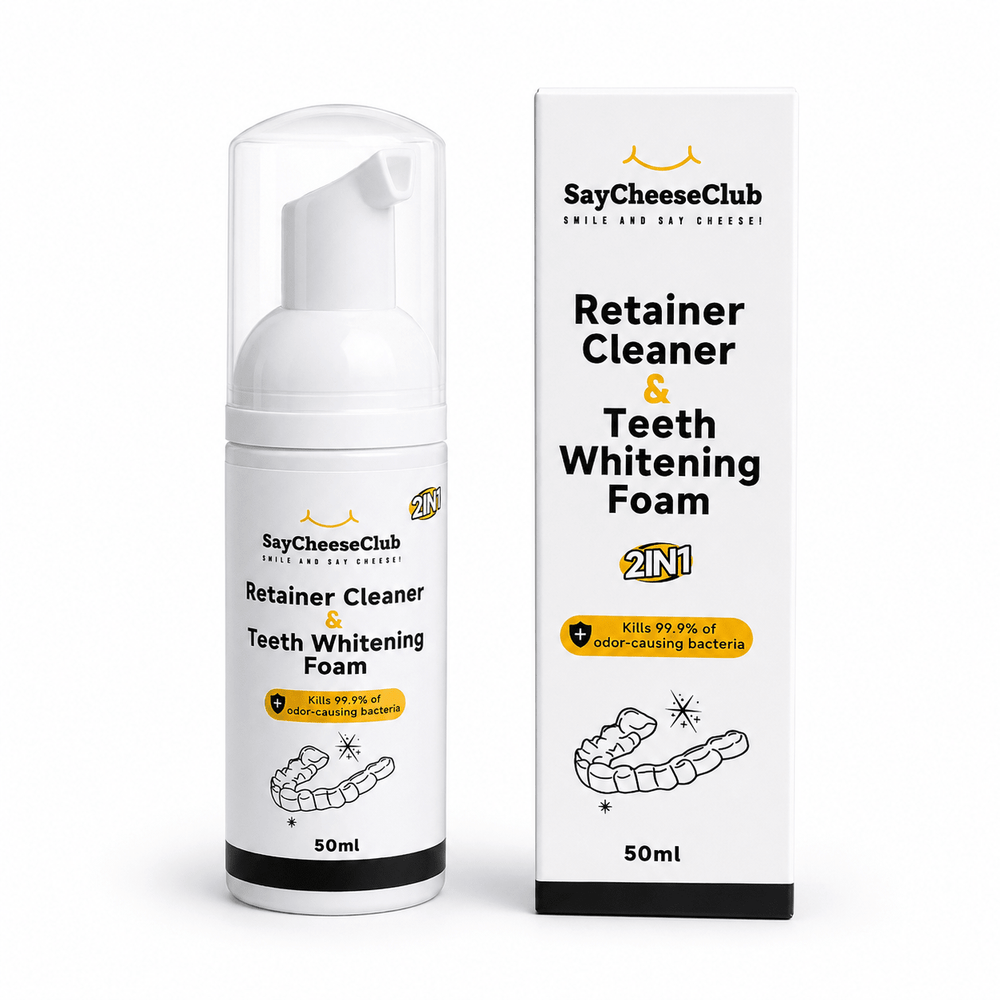
- Brush it gently with mild soap, skip the abrasive toothpaste.
- Let it dry fully before it goes back in its case.
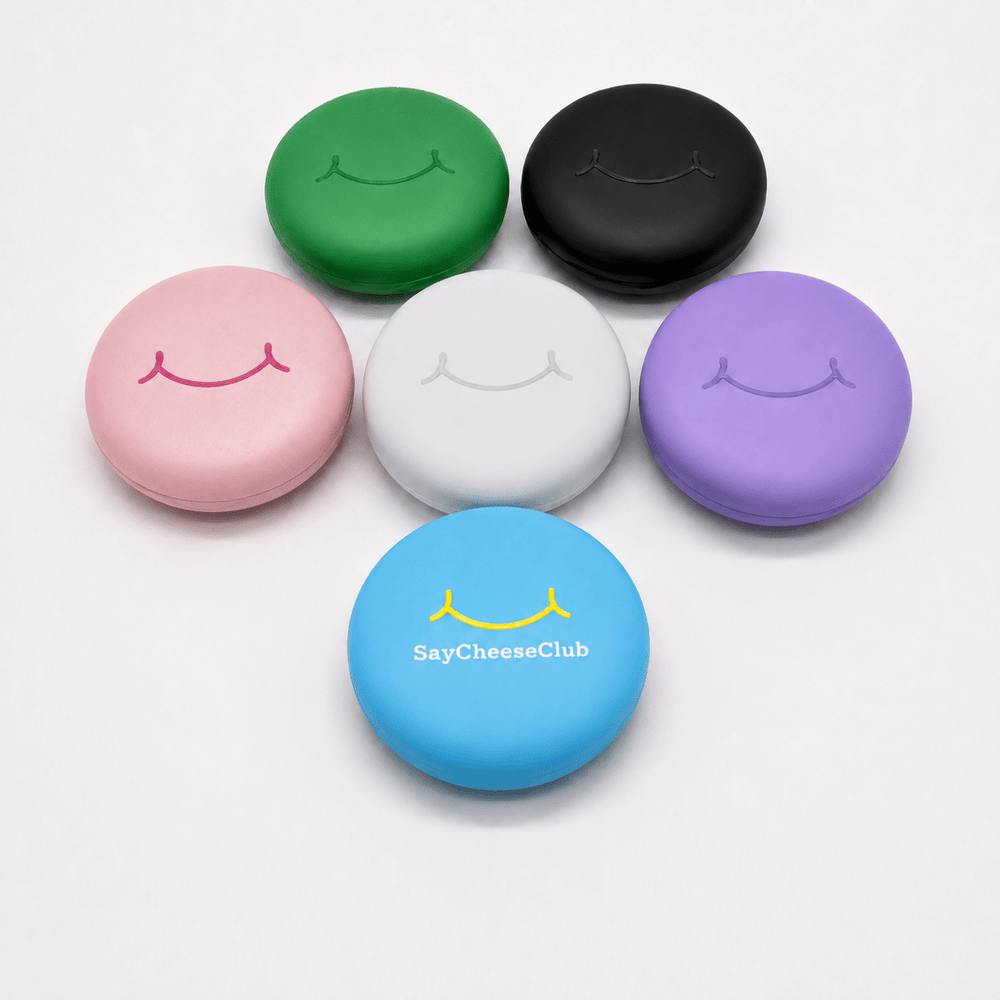
- Keep it in that case, not loose in a bag or on the sink, and far from curious dogs who treat them like chew toys.
If yours is already past saving, replacing it is the easy part. A custom night guard is molded to your exact teeth from an impression you take at home, so you get a fresh, perfectly-fitting guard without the dentist visit or the dentist price.
Shop Night Guards NowFAQs
How often should I replace my night guard?
There's no single number, but a practical rule is to inspect it every few months and replace it the moment you see holes, cracks, a bad fit, or your old symptoms returning. Heavy grinders often replace once or twice a year, while light clenchers can go much longer.
Does a soft or hard night guard last longer?
Hard guards generally last longest because the firmer material resists grinding better. Soft guards are the most comfortable but wear the fastest, especially for heavy grinders. Hybrids land comfortably in between.
Is it bad to keep using an old night guard?
Yes. Once it's worn thin or full of grooves, it isn't really protecting your teeth anymore, and an old guard can also harbor bacteria. At that point you're sleeping in a false sense of security, so it's worth replacing.
Why did my night guard wear out so fast?
Usually one of two reasons: you grind harder than average, or the material was too soft for your needs. If a soft guard keeps failing quickly, moving up to a tougher option will give you far more mileage.
Can cleaning it really make it last longer?
It helps. Proper cleaning won't stop grinding wear, but it prevents the buildup, odor, and warping that send guards to an early grave. Cool water, gentle brushing, full drying, and a clean case go a long way.
The short version
A night guard lasts anywhere from a few months to several years, and how hard you grind, the material you choose, and how you care for it decide where you land. Check yours every few months, and the second it's worn through, cracked, or letting old symptoms sneak back, swap it out. Your teeth are worth more than one more night in a guard that's quiet.
Get your custom night guard at SayCheeseClub molded to your teeth, shipped to your door, built to actually go the distance.