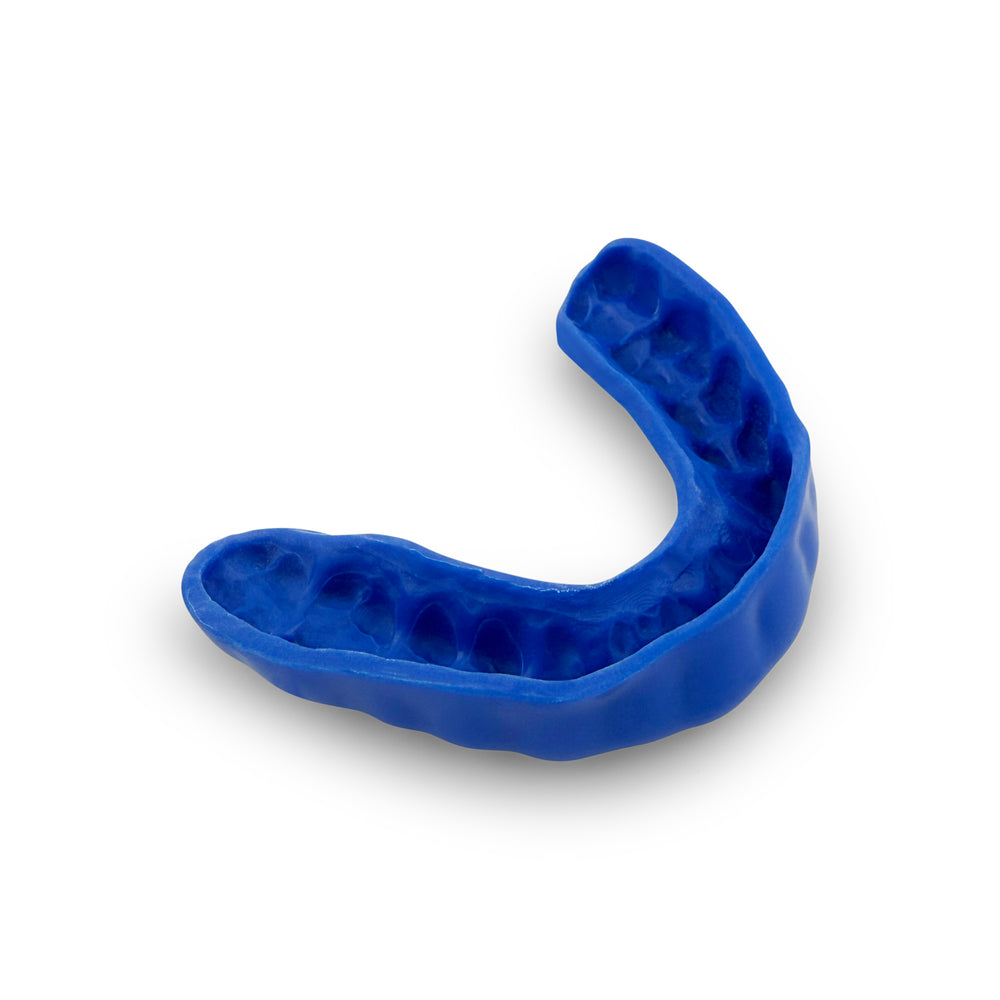
You wear your night guard every night. But when's the last time you actually cleaned it?
If you had to think about it, you're not alone. Most people pop their guard in, take it out in the morning, toss it on the nightstand, and repeat. The thing that spends eight hours in your mouth every single night somehow becomes the one thing we forget to take care of.
Here's the good news. Cleaning a night guard takes about 30 seconds a day, and once you know the right way to do it, you'll never have to think hard about it again. Let's walk through exactly how to keep yours fresh, clear, and lasting as long as it should.
Why Cleaning Your Night Guard Actually Matters
Your mouth is home to hundreds of types of bacteria. That's completely normal, but your night guard gives that bacteria a warm, moist place to hang out for hours at a time. Skip the cleaning, and you're basically building a tiny bacteria hotel and checking back into it every night.
When you don't clean it regularly, three things start to happen:
- Plaque builds up. The same film that coats your teeth coats your guard, leaving it cloudy and rough.
- Odor sets in. That faint "off" smell? That's bacteria and trapped moisture. Not exactly the vibe you want before bed.
- Stains appear. Over time, your guard yellows and dulls. More on fixing that below.
None of this is meant to scare you. It's just the reality of any dental appliance that lives in your mouth. The fix is simple, and it's a habit worth building. Clean guard, happy mouth.
Your Daily Night Guard Cleaning Routine
This is the routine that matters most. Knowing how to clean your night guard daily is what keeps the deep-cleaning sessions short and the replacements far apart.
Here's the whole thing, start to finish:
- Rinse it immediately. The second you take your guard out in the morning, rinse it under cool or lukewarm water. Doing this while saliva and debris are still soft makes everything easier. Skip hot water, since heat can warp the material and ruin the fit.
- Brush it gently. Use a soft-bristled toothbrush and lightly brush every surface. One important note: don't use toothpaste. It feels intuitive, but most toothpaste is abrasive and will scratch the surface of your guard, creating tiny grooves where bacteria love to settle. Plain water, or a drop of mild unscented soap, is all you need.
- Let it air dry. Set it on a clean surface and let it dry completely before storing it. Locking a damp guard in a closed case is the fastest way to grow bacteria. Dry guard in, dry guard out.
That's it. Rinse, brush, dry. Thirty seconds, every morning. This single habit is the difference between a guard that stays clear for years and one that turns into a science experiment by month two.
The Weekly Deep Clean (and How to Do It Naturally)
Your daily routine handles the day-to-day, but once a week your guard deserves a proper soak. The good part: you can clean your night guard naturally with things already sitting in your kitchen.
Option 1: White vinegar soak. Wondering how to clean a night guard with vinegar? It's easy. Mix equal parts white vinegar and lukewarm water, soak your guard for 15 to 30 minutes, then rinse thoroughly with water. Vinegar is a natural antibacterial that breaks down buildup without harsh chemicals.
Option 2: Baking soda. Make a paste with baking soda and a little water, gently rub it over the guard, and rinse well. Baking soda neutralizes odor and lifts light staining. For a deeper clean, you can dissolve a teaspoon in a cup of water and soak.
Whichever you pick, always rinse completely afterward so there's no aftertaste at bedtime.
What to Avoid
A few things people reach for that you should not use:
- Bleach. Far too harsh, can degrade the material and irritate your gums.
- Alcohol-based mouthwash. It dries out and weakens the guard over time.
- The dishwasher. The heat will warp it instantly. We know it's tempting. Don't.
- Boiling water. Same heat problem. Lukewarm is always the limit.
How to Remove Yellow Stains From a Night Guard
So your guard has gone a little yellow. First, it happens to everyone. Staining is caused by mineral deposits from saliva, plus pigments from coffee, tea, wine, and just general daily use. It doesn't always mean your guard is dirty, but it's a great signal to give it some love.
Here's how to remove yellow stains from your night guard:
- Try a baking soda paste first. Gently scrub the stained areas. This lifts surface yellowing without scratching.
- Step up to a vinegar-and-baking-soda soak. Soak in the vinegar-water mix, then follow with a light baking soda scrub. The combo tackles both mineral buildup and discoloration.
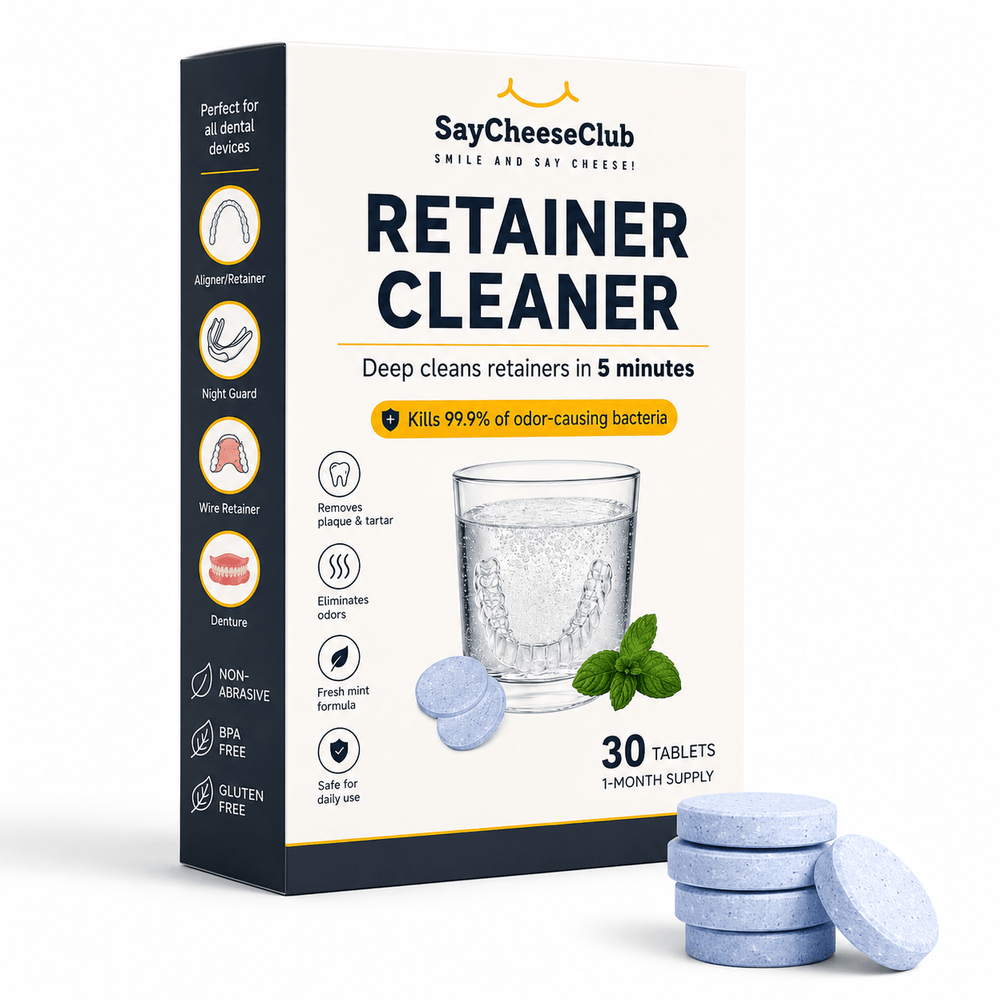
- Use a denture or retainer cleaning tablet if you want a hands-off option. Drop one in water, soak as directed, rinse well.
One honest note: if your guard is deeply yellowed and won't come clean no matter what you try, that's often a sign the material has absorbed staining permanently, which usually means it's time for a fresh one. A clean guard should be able to get mostly clear again.
Proper Storage: The Step Everyone Skips
You can nail every cleaning step and still undo it with bad storage. Keeping your night guard clean is just as much about where it lives as how you wash it.
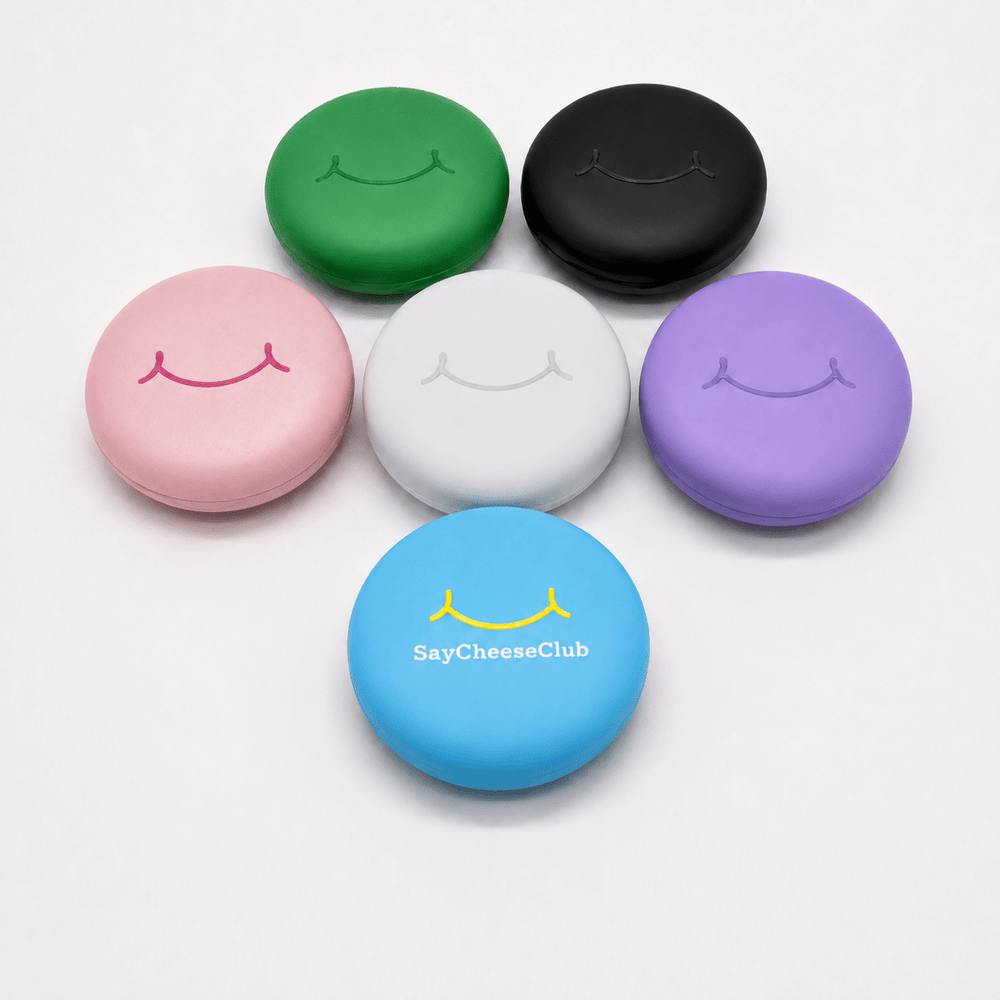
- Always use a case. Not the nightstand, not a tissue, not your bathroom counter. An open guard collects dust, bacteria, and whatever else is floating around your bathroom.
- Make sure it's dry first. A ventilated case is even better, but a dry guard in any clean case beats a wet one every time.
- Keep it away from heat. No sunny windowsills, no hot cars, no radiators. Heat is the enemy of fit.
Simple stuff, but skipping it is one of the most common reasons guards wear out early.
How Long Do Night Guards Last (and When to Replace Yours)?
With good daily care, how long do night guards last? Most quality custom night guards last anywhere from 1 to 5 years, depending on the material and how hard you grind. Heavy grinders may go through one faster, and that's exactly what it's supposed to do, by absorbing force so your teeth don't have to.
Watch for these signs it's time for a new one:
- Visible cracks, holes, or thinning spots
- A fit that's gotten loose or no longer snug
- Permanent staining or odor that won't clean out
- Rough edges that bother your gums
If you're seeing any of these, don't keep pushing it. A worn-out guard can't protect your teeth the way a fresh one does.
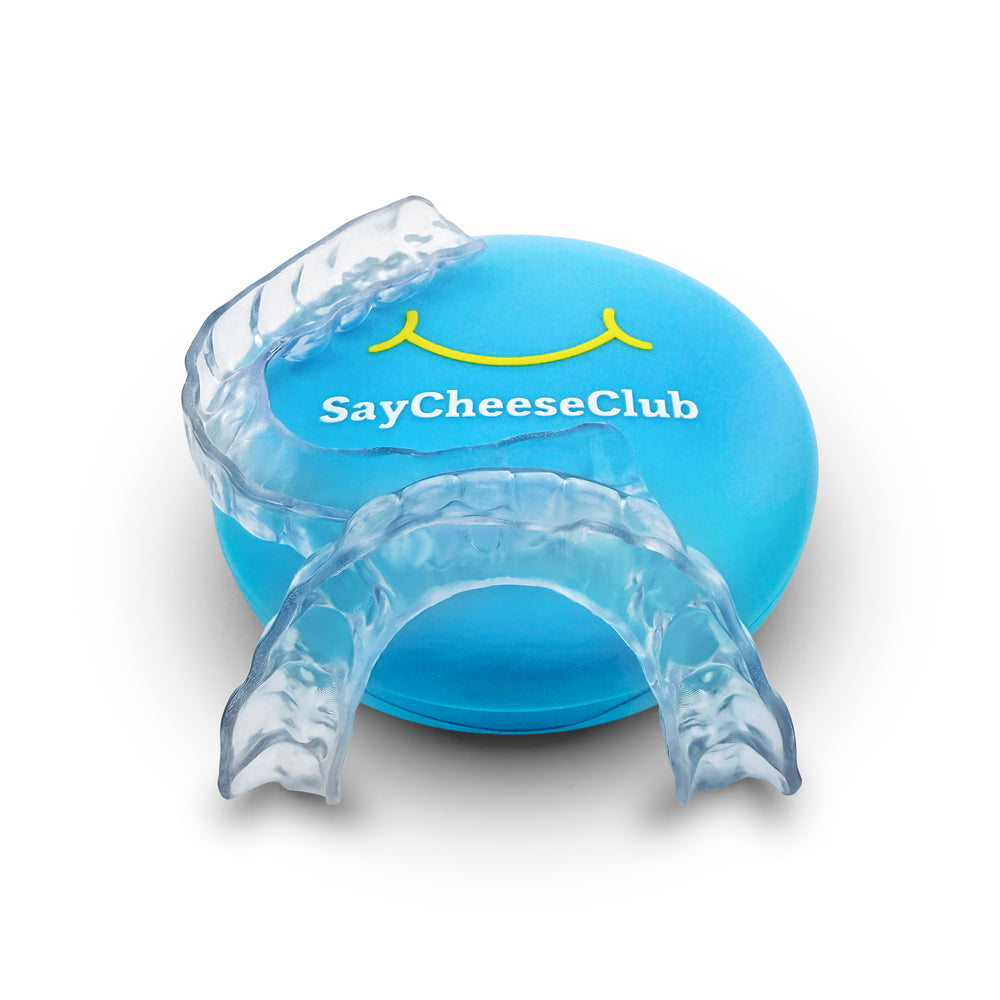
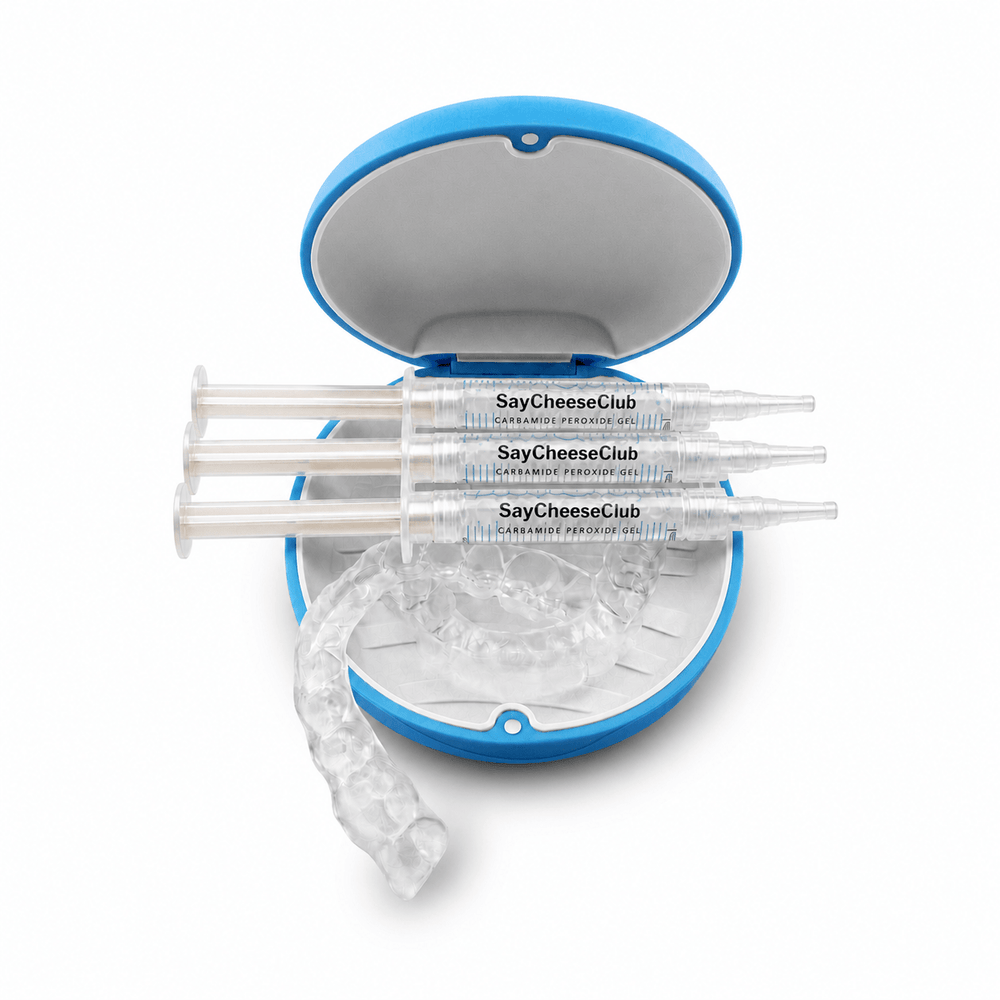
Ready for a night guard that actually fits? Get yours at SayCheeseClub. Custom-molded, FDA-cleared, and up to 80% cheaper than the dentist.
FAQs
Do night guards help with clenching?
Yes. A night guard creates a cushioned barrier between your top and bottom teeth, so the force of clenching and grinding gets absorbed by the guard instead of your enamel and jaw. It won't stop you from clenching, but it protects your teeth from the damage and can ease the morning jaw soreness that comes with it.
Can a night guard shift your teeth?
A properly fitted night guard should not shift your teeth. A good one fits snugly and holds everything in place. The risk comes from ill-fitting, generic, one-size-fits-all guards that don't sit correctly. This is exactly why a custom fit matters so much: the right guard protects your teeth without moving them.
How often should I deep clean it?
Daily rinse, brush, dry, plus a weekly soak. That rhythm keeps it clean without becoming a chore.
The 30-Second Recap
Keeping your night guard clean really comes down to a few easy habits:
- Daily: Rinse, gently brush (no toothpaste), air dry
- Weekly: Vinegar or baking soda soak
- Stains: Baking soda scrub or a soaking tablet
- Always: Store it dry, in a case, away from heat
- Replace it when you see wear, a loose fit, or staining that won't budge
Take care of your guard, and it'll take care of your teeth.
And when it's finally time for a new one, skip the dentist markup. Get a custom night guard at SayCheeseClub. Made in the USA, perfectly molded to your smile, and built to actually last.