Teeth whitening costs $300 to $1,000 per session for professional in-office treatment, $100 to $600 for dentist-provided take-home trays, and $25 to $200 for an at-home LED whitening kit. Whitening strips run about $20 to $60 per box, and whitening toothpaste costs $5 to $15. Prices vary this much because of peroxide strength, whether a professional applies it, and where you live. Teeth whitening is considered cosmetic, so dental insurance does not cover it.
Which is a wild range when you think about it. You can spend $20 or you can spend $1,200, and the results aren't nearly as far apart as those price tags suggest.
So let's get into the useful part: why that gap is so enormous, where your money actually goes, and how to dodge the trap that quietly costs people the most.
Why is teeth whitening so expensive at the dentist?
When you hand over $500 at a dental office, you're not just buying gel. You're paying for the appointment, the chair time, the gum barrier, the equipment, and a professional standing there supervising the whole thing. If you need speed, that's real value. It's also why the number climbs fast.
The bigger driver is peroxide strength. In-office gels are genuinely powerful, which is how they lift several shades in one sitting. Dentist take-home trays use a gentler concentration, and drugstore products are gentler still.
And then there's geography. Big-city practices routinely charge far more than smaller towns for the exact same treatment. Same gel, different zip code, wildly different bill.
How much does teeth whitening cost, method by method?
| Method | Typical 2026 Cost | What you're actually getting |
|---|---|---|
| In-office (Zoom / laser) | $300–$1,000+ per session | Fastest and most dramatic, and the priciest by far |
| Dentist take-home trays | $100–$600 | Custom trays, gradual results over 1–2 weeks |
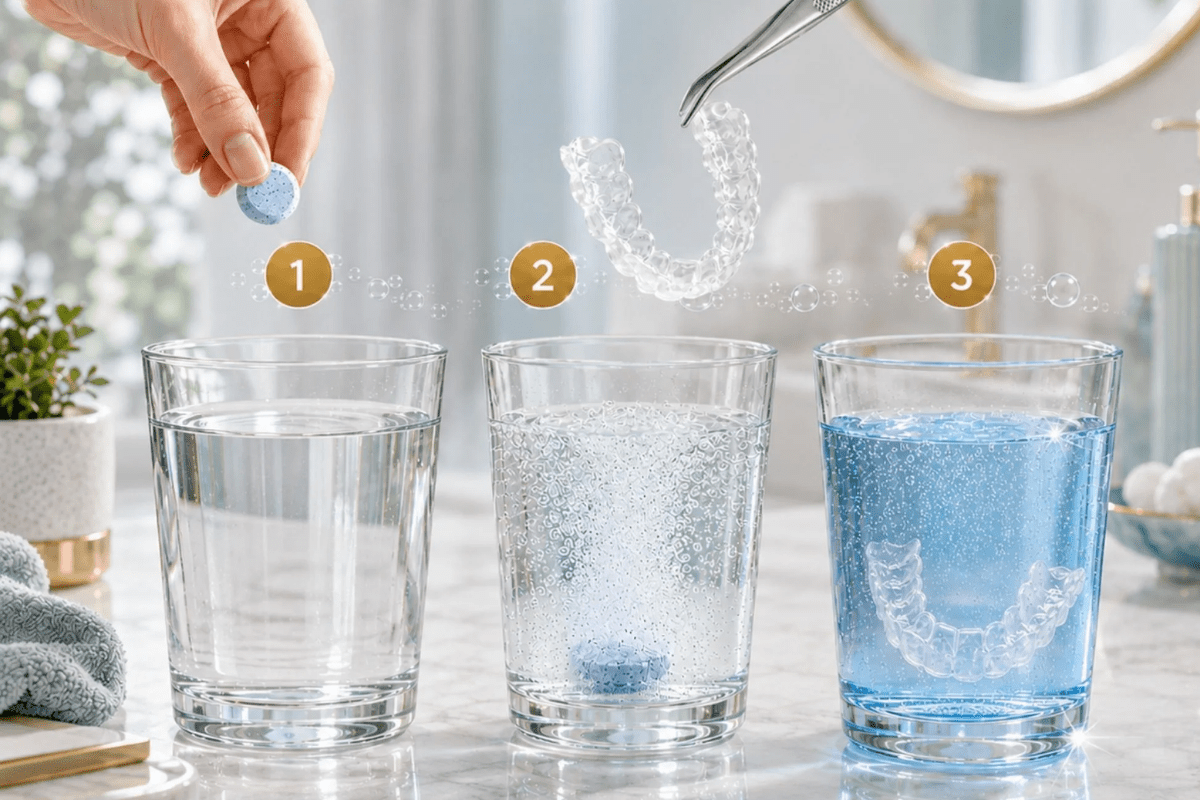
| At-home LED kits | $25–$200 | Real gel plus even coverage, on your own schedule |
| Whitening strips | $20–$60 per box | Cheap, but patchy coverage and modest results |
| Whitening toothpaste | $5–$15 | Maintenance only, won't change your actual shade |
Look at the middle of that table. That's where most people land once they realize a four-figure appointment isn't the only road to a brighter smile.
Does insurance cover teeth whitening?
Almost never, and you should know this before you budget. Whitening is classified as a cosmetic procedure, so dental insurance plans essentially always exclude it, whether you go in-office or take-home.
For the same reason, whitening generally doesn't qualify for HSA or FSA dollars the way a medically necessary treatment does. Bottom line: you're paying out of pocket no matter what. Which is exactly why it's worth being picky.
The trap: when "cheap" whitening becomes the expensive option
This is the part almost nobody warns you about, and it's the most common regret you'll find from real whitening users.
People rarely resent a cheap product because it was cheap. They resent it because the result was too weak for the money they spent. So they buy another box. Then another. Then a different brand. Six half-hearted purchases later, they've spent more than a proper kit would have cost and their teeth are barely a shade brighter.
Two other things veterans wish they'd known sooner:
- Sensitivity is real. Those sharp little "zingers" catch first-timers off guard. Stronger gel means faster results and a higher chance of sensitivity, which is why a moderate concentration you can actually tolerate often beats an aggressive one you quit after two days.
- Whitening doesn't touch dental work. Crowns, veneers, and tooth-colored fillings keep their original shade. If you've got them on your front teeth, factor that in before you spend anything.
The cost people forget: keeping it white
Whitening isn't one-and-done, and this is where budgets quietly blow up.
Results usually last several months to a couple of years, depending entirely on your habits. Coffee, tea, red wine, and smoking drag your teeth back toward beige faster than you'd like.
Which means touch-ups. And if your only option is a $500 office visit, those touch-ups sting. With a reusable at-home setup, refreshing your smile costs a fraction of that. So when you compare prices, don't just compare the first payment. Compare what it costs to stay white for a year.
So what's actually the best value?
Got a wedding on Saturday? Pay for the in-office speed. Genuinely, no shame in that.
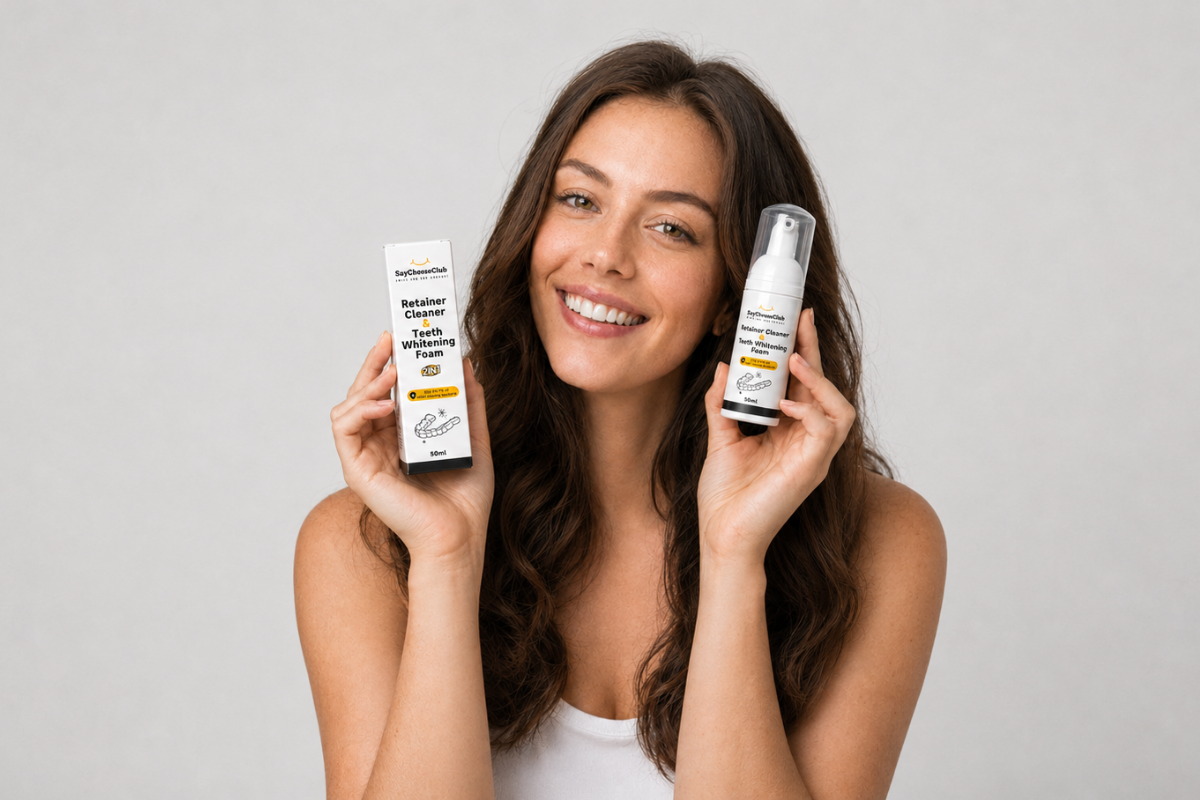
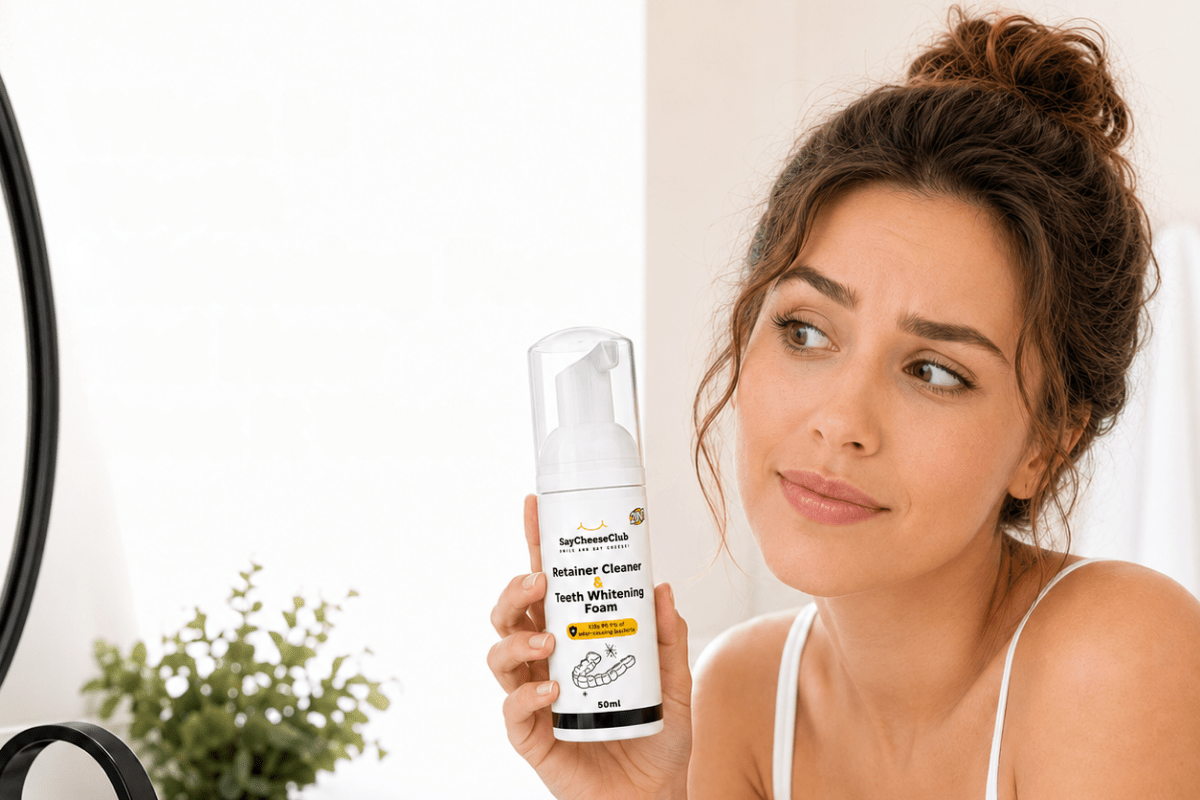
But for most people, a quality at-home kit is the sweet spot: a real whitening gel, even coverage, and no appointment, markup, or four-figure invoice. That's precisely why our teeth whitening kit exists, giving you serious results without the dentist-chair bill.
Just make sure whatever you buy contains a genuine whitening agent, because plenty of products on the shelf simply don't. We break down exactly what to look for in our honest guide to the best teeth whitening products.
Teeth Whitening Cost FAQs
How much does teeth whitening cost at the dentist?
Roughly $300 to $1,000 for an in-office session, with major-city practices often charging at the top of that range or beyond. Dentist-provided take-home trays are cheaper, generally $100 to $600.
Is professional teeth whitening worth the money?
It comes down to your deadline. In-office whitening is fast and dramatic, so it's worth it if you need results immediately. If you can spare a couple of weeks, a quality at-home kit gets you a similar kind of brightness for a fraction of the cost.
Can you whiten your teeth cheaply and still get results?
Yes, as long as it contains a real active ingredient. Whitening toothpaste alone won't change your shade, it only fights surface stains. A proper at-home kit with genuine whitening gel is where affordable actually meets effective.
How long does teeth whitening last?
Typically several months to a couple of years, depending on how much coffee, tea, red wine, and tobacco you're working with. Most people maintain their shade with occasional touch-ups rather than starting over.
Why is teeth whitening so expensive?
Three reasons: the strength of the gel, whether a professional is applying it, and where you live. The wider the gap in those, the wider the gap in the price.
Does whitening work on crowns or veneers?
No. Whitening gel only lightens natural tooth enamel, so crowns, veneers, and tooth-colored fillings stay exactly the shade they already are.
The bottom line
Teeth whitening doesn't have to cost hundreds. The dentist's chair buys you speed, but if you'll trade a couple of weeks for a couple hundred dollars saved, an at-home kit gets you there just fine, and keeps you there for less.
Brighten your smile with the SayCheeseClub whitening kit real results, from your couch, without the sticker shock.