You searched "best teeth whitening product" and got ten thousand results, every single one swearing it's the number one, dentist recommended, celebrity approved miracle? Yeah. That's the problem. When everything claims to be the best, none of it actually helps you decide.
So let's skip the hype. Here's an honest look at what's out there, what actually gets teeth whiter, and how to pick the one that's right for your smile and your budget instead of whatever's shouting loudest.
Strips, LED kits, pens, charcoal powder that turns your whole sink black. So which one actually works, and which is just clever packaging? 🦷
Let's cut through it. The "best" whitening product isn't really about the brand on the box. It's about one ingredient, how you use it, and whether it fits your life. Here's how to actually pick.
First, what even whitens your teeth?
This is the part most ads skip. Real whitening, the kind that lifts stains from years of coffee, tea, and red wine, comes down to a bleaching agent: usually hydrogen peroxide or carbamide peroxide (which breaks down into hydrogen peroxide once it's on your teeth). That's the stuff that actually changes the shade of your enamel. Some newer formulas use PAP, a gentler, peroxide-free alternative that's kinder to sensitive teeth.
Everything else is either helping that ingredient work or just scrubbing the surface. Keep that in mind, because it instantly tells you which "whitening" products are the real deal and which are mostly vibes.
The main types, and what they actually do
- LED whitening kits — A peroxide gel does the whitening, often paired with a light and trays to hold everything against your teeth. When the gel is legit, this is one of the most effective at-home routes because the coverage is even and the whole tooth gets treated.
- Whitening strips — Thin strips coated in gel. They work, but they can slip, miss the corners of your teeth, and leave that patchy, striped look if you're not careful.
- Whitening toothpaste — Great for keeping surface stains at bay, but it mostly scrubs rather than bleaches. Don't expect it to change your actual shade.
- Whitening pens — Handy for a quick touch-up before a night out, weak for a real transformation.
- Charcoal powders — Trendy, but charcoal is abrasive and can wear down enamel over time without truly whitening. This is the one to be cautious with.
- In-office whitening — The fastest and most dramatic, and also the most expensive by a wide margin.
So... what's the best one?
Here's the honest answer: the best whitening product is the effective one you'll actually stick with, without torching your budget or your tooth sensitivity.
For a lot of people, that lands squarely on a well-made at-home LED kit. It gives you the even coverage of a tray system and a real peroxide gel, at a fraction of what a dentist's chair costs, on your own schedule. It's the sweet spot between "does basically nothing" and "costs a small fortune."
What to look for before you buy
Not every kit is built the same, so scan for these:
- A real active ingredient. Look for hydrogen peroxide, carbamide peroxide, or PAP. No active, no results.
- Even coverage. Trays or a mouthpiece beat loose strips for hitting every tooth uniformly.
- Sensitivity in mind. A thoughtful formula (and reasonable concentration) means whiter teeth without the zingers.
- Clear instructions and honest timelines. Whitening is a process, not a one-night miracle. Trust the brands that tell you that.
If you want the full rundown on why a proper kit tends to beat the piecemeal stuff, we broke it all down in the top benefits of using a teeth whitening kit.
Where Say Cheese Club fits in
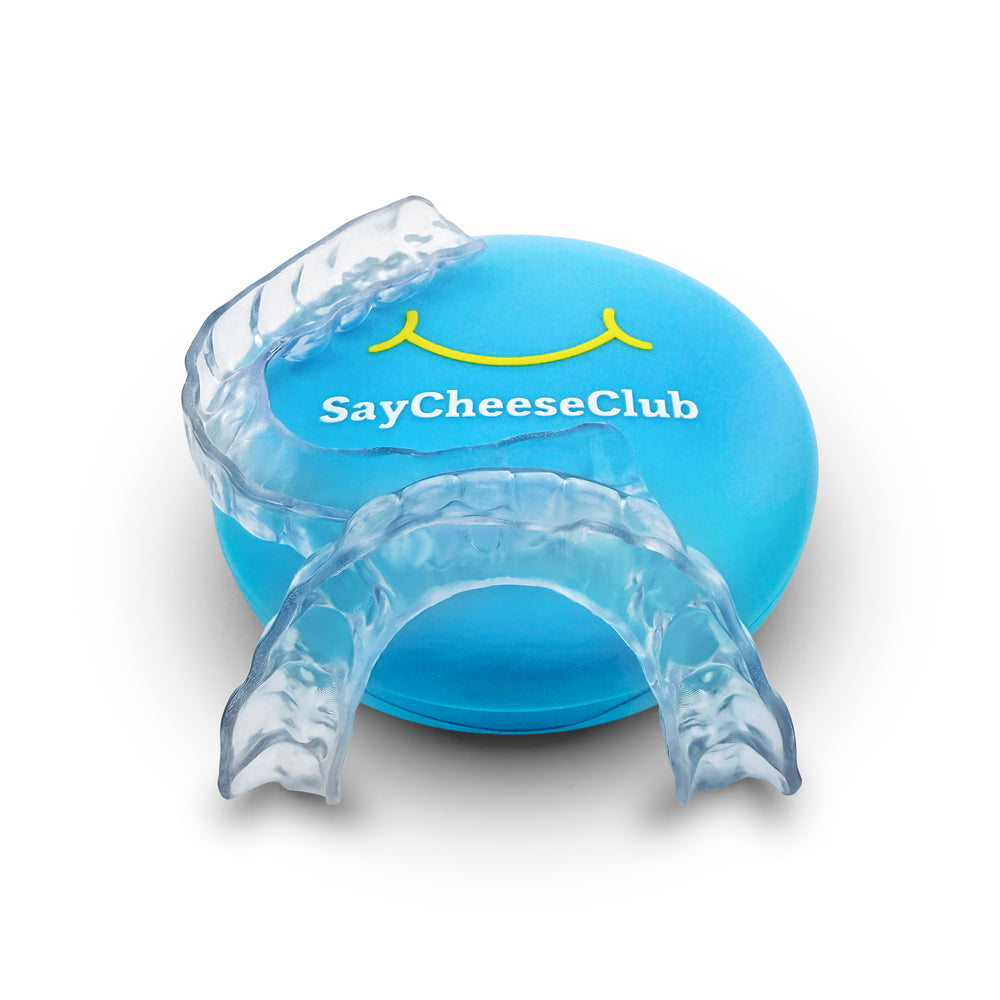
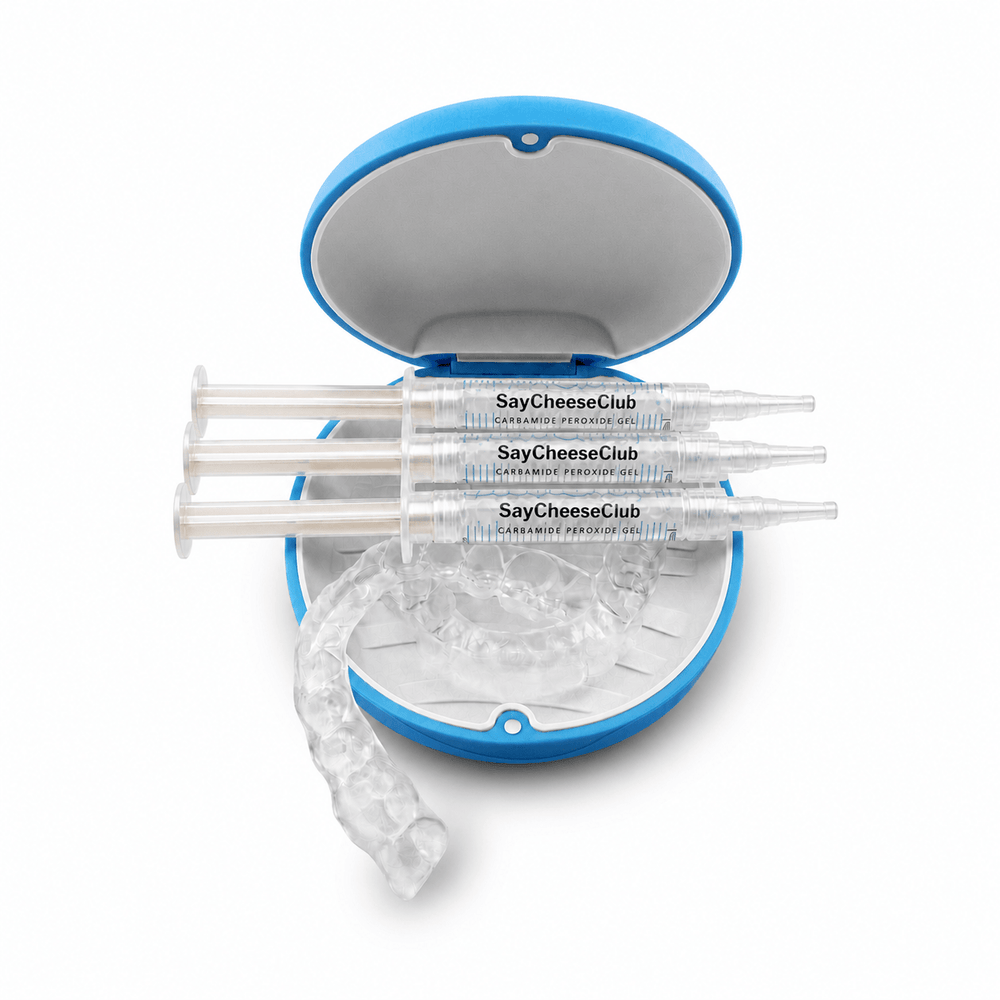
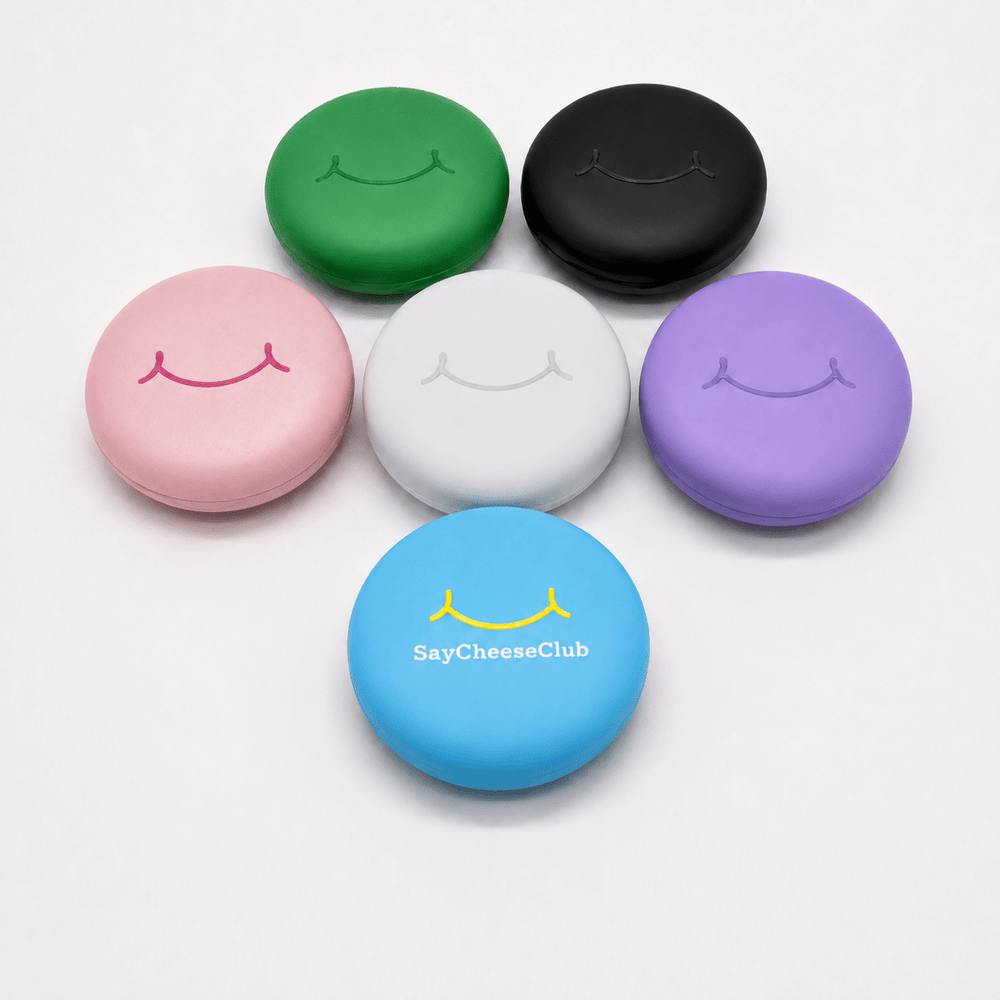
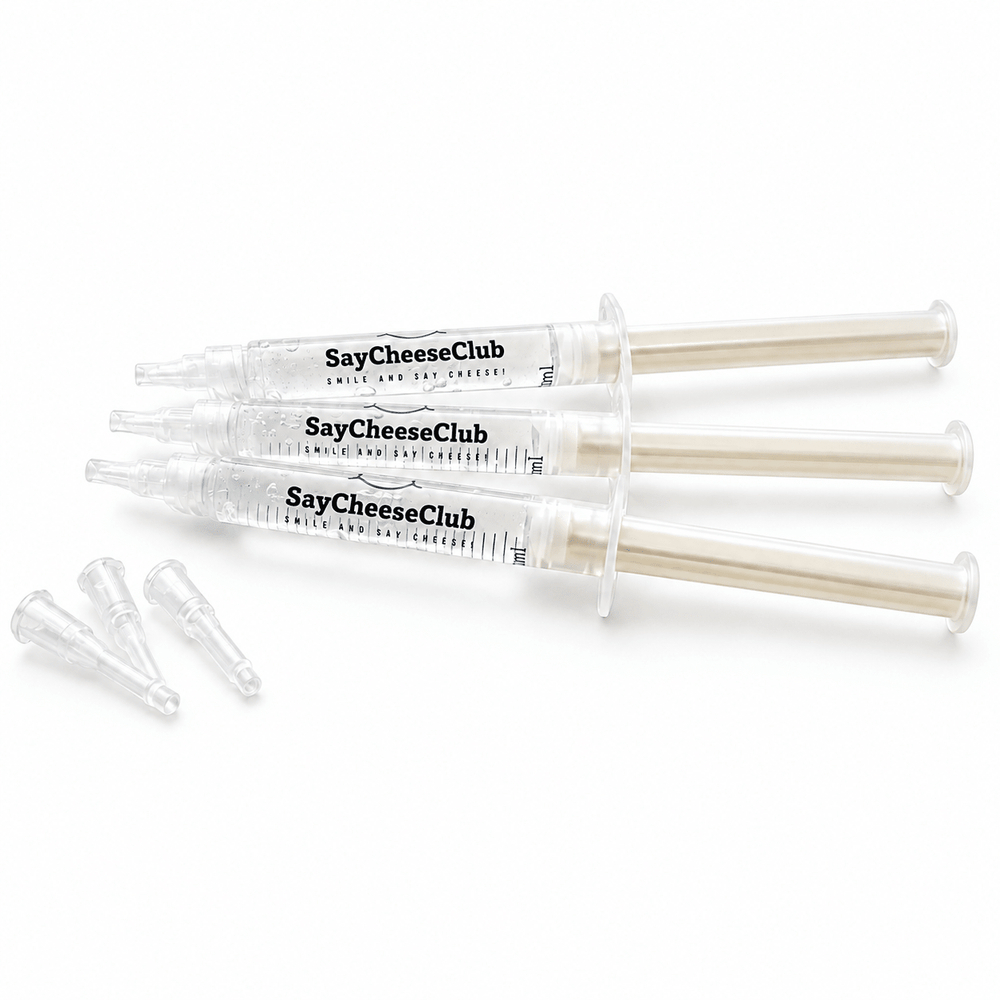
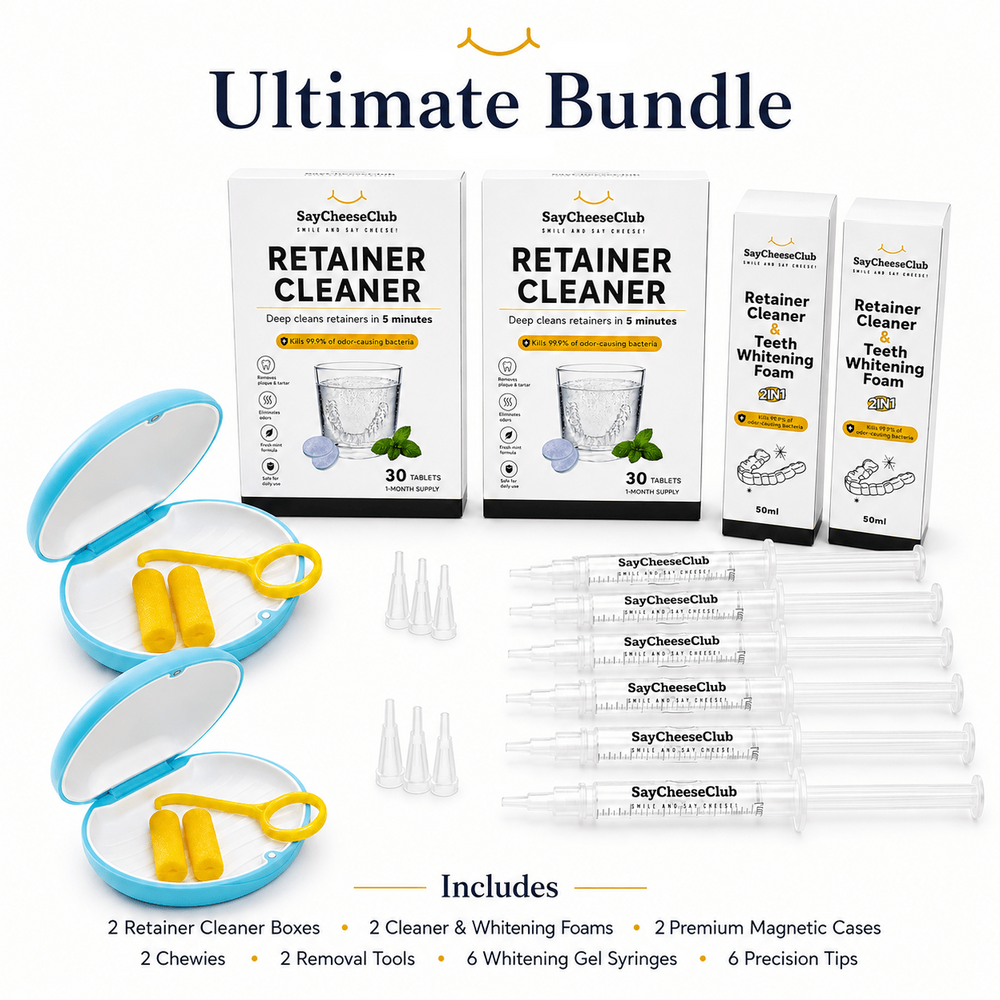
This is exactly the gap our kit was built for. The SayCheeseClub teeth whitening kit gives you a real whitening gel and even, comfortable coverage you can use at home, so you get that noticeably brighter smile without booking an appointment or paying dentist-chair prices. Simple routine, real results, zero drama.
Shop Teeth Whitening NowTeeth Whitening FAQs
Do at-home whitening kits actually work?
Yes, as long as the kit uses a genuine bleaching agent like hydrogen peroxide, carbamide peroxide, or PAP. That's what lifts deep stains and changes your shade. Kits without a real active ingredient mostly just polish the surface.
Are whitening kits safe for my teeth?
Used as directed, at-home whitening is considered safe for most people. Some temporary sensitivity is normal. The key is following the instructions and not over-doing it, since more isn't better with whitening.
Why do my teeth get sensitive when I whiten?
The peroxide temporarily opens tiny channels in your enamel to reach the stains, which can make teeth feel sensitive for a bit. It usually fades within a day or two. Spacing out sessions and using a sensitive toothpaste helps a lot.
How long do whitening results last?
Typically several months, though it depends heavily on your habits. Coffee, tea, red wine, and smoking bring stains back faster. Most people keep their smile bright with occasional touch-ups rather than starting from scratch.
Is whitening toothpaste enough on its own?
For maintenance, it's great at fighting new surface stains. But it won't meaningfully change the color of your teeth the way a peroxide-based kit will. Think of it as upkeep, not the main event.
Does charcoal whitening work?
Not really, at least not the way people hope. Charcoal is abrasive and can scrub off some surface stains, but it doesn't bleach teeth and can wear down enamel over time. It's the one trend we'd skip.
The short version
The best teeth whitening product isn't a magic brand. It's a real active ingredient, even coverage, and a routine you'll actually keep up with. For most people, a solid at-home kit checks all three boxes without the dentist-office price tag.
Brighten your smile with the SayCheeseClub teeth whitening kit real results, done from your couch.